
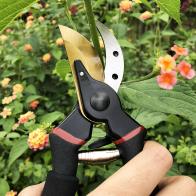
Next Up

The 19 Biggest Pruning Mistakes

Updated on July 29, 2026
Follow Debbie on:

Even the best gardeners make these mistakes sometimes.

Photo: Debbie Wolfe
Scroll For More Photos
1 / 20

Why Pruning Matters More Than You Think

When landscapes fail, it's often because of poor pruning, not poor plants. Trees, bushes and flowering shurbs never stop growing, and thoughtful pruning keeps them healthy, balanced and productive. The difference between thriving plants and struggling ones often comes down to small details in how and when you prune. Read on to learn about the most common pruning mistakes and how to avoid them, according to HGTV's gardening experts.

More photos after this Ad

Photo: Shutterstock/RAScottPhotos
2 / 20

Don’t Skip Pruning

Skipping pruning entirely can cause plants to become leggy, overcrowded, or misshapen. Old flowers, seed pods, and weak branches build up over time. While neglected plants can often recover, restoring their shape usually takes several seasons of careful pruning.

More photos after this Ad

Photo: Shutterstock/sakkmesterke
3 / 20

Stop Pruning at the Wrong Time

The most common pruning mistake is timing. Many flowering shrubs develop next year’s buds months before they bloom. If you prune at the wrong time, you may accidentally remove the buds that would have produced flowers.

More photos after this Ad

4 / 20

Know What Timing Does to Blooms

Flowering shrubs produce buds in different ways. Some bloom on last year’s growth, others on new growth, and some on both. Knowing which category your plant belongs to determines when it should be pruned.

More photos after this Ad

Photo: Todd Michael Johnson ©
5 / 20

Know Your Old-Wood Bloomers

Old-wood bloomers form their flower buds during the previous growing season. Those buds remain on the plant through winter and open the following spring. Pruning these shrubs too late removes the flowers before they ever have a chance to bloom.

More photos after this Ad

Photo: Shutterstock/Gagarin Iurii
6 / 20

Don’t Miss These Old-Wood Shrubs

Several popular garden shrubs bloom on old wood. These include bigleaf hydrangeas, oakleaf hydrangeas, lilacs, azaleas, viburnums, and forsythia. Because their buds form the year before, pruning at the wrong time is a common reason these plants fail to bloom.

Learn about Pruning Shrubs and Bushes

More photos after this Ad

Photo: Shutterstock/VH-studio
7 / 20

Prune Old Wood at the Right Time

For shrubs that bloom on old wood, prune immediately after flowering. This short window allows time for the plant to produce next year’s buds before fall. Waiting too long means cutting off future blooms.

More photos after this Ad

Photo: ProvenWinners.com
8 / 20

Know Your New-Wood Bloomers

New-wood bloomers produce flowers on fresh growth that develops during the current season. Because buds form in spring, pruning in late winter or early spring usually encourages stronger stems and more flowers.

Check Out the Late Winter to Early Spring Pruning Guide

More photos after this Ad

Photo: Shutterstock/S.O.E
9 / 20

Grow These New-Wood Shrubs

Many summer bloomers fall into the new-wood category. Examples include panicle hydrangeas, smooth hydrangeas, crepe myrtle, and many modern roses. These plants typically respond well to pruning before the growing season begins.

More photos after this Ad

Photo: First-Editions® Shrubs & Trees
10 / 20

Understand Reblooming Shrubs

Some modern shrubs bloom on both old and new wood. These rebloomers are more forgiving if pruning timing isn’t perfect. They often produce multiple waves of flowers during the growing season.

More photos after this Ad

Photo: Endless Summer Hydrangeas
11 / 20

Plant These Reblooming Favorites

Examples of reblooming shrubs include Endless Summer® hydrangeas, Encore® azaleas, Knock Out® roses, and butterfly bush. While these plants tolerate light pruning, heavy cuts at the wrong time can still reduce their first flush of flowers.

More photos after this Ad

Photo: Shutterstock/Raju Pammi
12 / 20

Stop Over-Shearing Shrubs

Over-shearing shrubs to force them into a specific size or shape can weaken their structure and create dense outer growth with little foliage inside.

More photos after this Ad

Photo: Shutterstock/Ahanov Michael
13 / 20

Thin Shrubs the Right Way

Occasional thinning encourages healthy growth throughout the plant. Removing a few interior branches allows sunlight to penetrate deeper, promoting lush foliage and stronger branching.

More photos after this Ad

Photo: Shutterstock/PawelKacperek
14 / 20

Stop Shaping Hedges the Wrong Way

When hedges are cut narrower at the base than the top, the lower branches receive less sunlight. Over time, this causes the bottom of the hedge to become bare.

More photos after this Ad

Photo: ProvenWinners.com
15 / 20

Shape Hedges for Full Growth

Healthy hedges should be slightly wider at the base and narrower toward the top. This shape allows sunlight to reach all parts of the plant, keeping foliage dense from top to bottom.

More photos after this Ad

Photo: Getty/Solidago
16 / 20

Don’t Plant the Wrong Size Shrub

Pruning can’t always fix a plant that has outgrown its space. Choosing shrubs that mature at the right size reduces the need for constant trimming and keeps landscapes healthier long-term.

More photos after this Ad

Photo: Shutterstock/3000ad
17 / 20

Stop Topping Trees

Cutting the top off a tree may seem like an easy way to control height, but it actually weakens the plant. Topping encourages multiple new leaders that grow quickly but develop weaker structure.

Read Up on Tree Pruning

More photos after this Ad

Photo: Getty/Ekaterina savyolova
18 / 20

Make Cleaner Pruning Cuts

Cutting branches in the wrong place can leave unsightly stubs or cause large scars. Proper cuts should be made at the branch collar or just above a node where new growth naturally occurs.

More photos after this Ad

Photo: Emily Fazio
19 / 20

Use Sharp, Clean Tools

Dull, rusty, or poorly maintained tools can tear plant tissue and spread disease. Keeping pruners sharp, clean, and properly lubricated ensures clean cuts and safer gardening.

Buy the Right Pruning Tools

More photos after this Ad

Photo: Shutterstock/The Childhood
20 / 20

Follow This Golden Pruning Rule

Thoughtful pruning is about patience and research. Take time to understand how your plant grows before making cuts. Once a branch is removed, it cannot be replaced. With proper timing and technique, pruning keeps landscapes healthier and more beautiful.