Planting Winter Rye
Improve your vegetable garden soil with a cover crop of winter rye, a deep-rooted grain that breaks up hard soil.

Shutterstock/rsooll
Growing a cover crop helps ensure a healthy garden, and planting winter rye is a great option. Winter rye is a cereal grain that’s typically planted in fall in vegetable gardens. Like any cover crop, planting winter rye is one of the best things you can do to build soil. Learn how to plant winter rye—and why you should consider doing it.
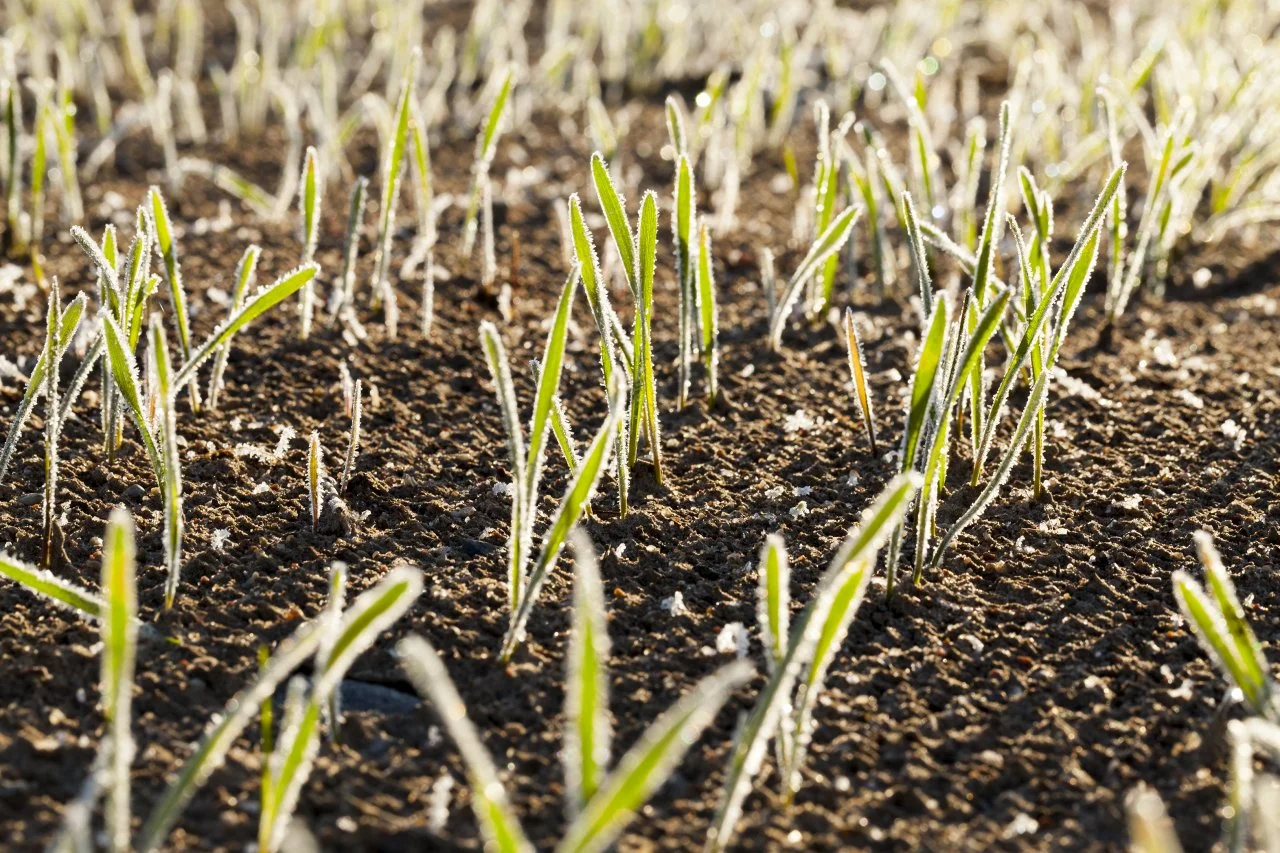
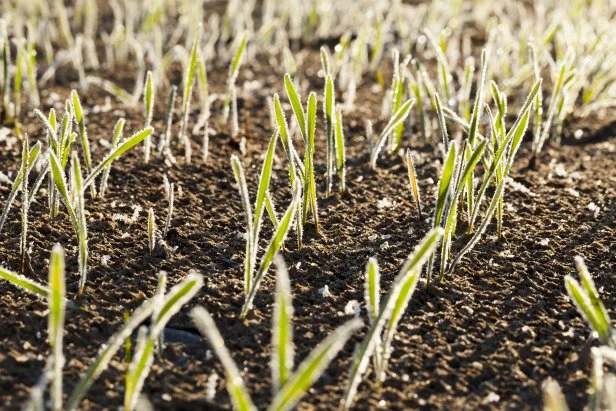
Why is planting winter rye such a good thing for gardens? Cereal grains like winter rye are fast growers, sprouting quickly from seed to form a thick mat that blankets soil. This living ground cover smothers cool-season weeds. Having a thick ground cover also helps prevent soil erosion over winter and loss of nutrients from exposed soil.
Winter rye is a deep-rooted plant. With its fast growth pace, it quickly sends roots deep into soil, making it an excellent choice for clay or heavy soils that need additional breaking up. Deep-rooted winter rye also absorbs nitrogen and minerals from far below the soil surface and brings them upward into the leaf blades. When you cut down winter rye in spring and till leaves under, the nutrients go into the soil.
Winter rye planting dates vary by region, but it’s the cold hardiest cover crop, which means it can go into the garden even in late fall. The rule of thumb with cover crops is to get them into the vegetable garden when everything else is out. Winter rye planting dates vary from August to October, depending on where you garden. In Zones 6 and warmer, plant winter rye in late fall; in coldest zones, gardeners should get it in the ground in early fall.
After planting winter rye, seeds sprout and grow. In warmer zones you’ll probably need to mow winter rye several times. If hard freezes arrive, plants go dormant until spring, when growth resumes. At this point, you can cut the rye several times or wait until it reaches about 12 inches tall and cut it once. Cut winter rye with a lawn mower, string trimmer or scythe, depending on how tall it is.
After cutting in spring, most cover crops are tilled into the soil, adding nutrients and organic matter. This is why cover crops are called green manures—because they do the same job that manure does in soil.
Winter rye stems are tough enough that after cutting you can use the stems as a loose mulch in your vegetable garden. If you plan to till winter rye under, cut it at least three weeks before you intend to plant your vegetable garden. After cutting, you’ll need to let the leaves lie a few days to dry down. This makes them easier to till into soil. You’ll need a large tiller to work these tough stems into soil. After tilling, wait another week or two before planting so the tilled-under stems can start decomposing.