








Use Silver and White Plants for a Luminous Moon Garden
What's a Moon Garden?
Moon gardens have been around since ancient times. The English writer and gardener Vita Sackville-West helped modernize them in the 1950s with her famous white garden at Sissinghurst Castle in Kent, and they're becoming increasingly popular. Many of us miss the beauty in our daytime gardens because we're working or otherwise occupied, so it's natural that we'd want to grow plants we can see and enjoy in the evenings.
Qualities of Moon Garden Plants
- Silvery or light pastel colors: Celestial-themed gardens focus on flowers and foliage in a palette of whites and silvers and colors like pale lavender and pink. Most moon gardens are designed to feel romantic or peaceful, and their plants look luminous as they reflect the light from the moon and stars.
- Night bloomers: Some bloom at night, releasing sweet scents that attract moths and other nocturnal pollinators (and yes, some plants attract bats, but that's not always a negative. Some species eat mosquitoes and other flying insects).
Planning a Moon Garden
- Choose plants for your zone: When you're ready to create a moon garden, choose plants that are recommended for your USDA Gardening Zone so they'll thrive. Tropicals, for example, won't grow back in cold winter climates. Site your garden where the plants can get as much sun or shade as they need; their tags should tell you what they require.
- Add lights to boost night glow: If you use plants that grow in shade, add some outdoor lights or lanterns, which can be solar-powered or run on batteries or electricity, to boost the after-dark glow. For convenience, put your garden near a source of water, or simply add light-reflecting plants to your existing garden or containers.
- Add other elements to reflect glow: For more glow, add white stones, gravel or pebbles or a reflective gazing ball. Star and moon-shaped accessories are fun.
- Appeal to all the senses: A fountain or stream makes musical sounds and ornamental grasses rustle in the breeze. A pond might host a small orchestra of frogs that trill and chirp. Grow some fragrant plants to enhance the multi-sensory experience.
Pictured:
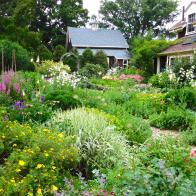
This garden at Connecticut's White Flower Farm reflects the moonlight and starlight with white Veronicastrum virginicum 'Album,' a perennial commonly called Culver's Root, Phlox paniculata 'David,' Cosmos bipinnatus 'Sonata White' and Echinacea purpurea 'White Swan,' also known as coneflower. Don't forget to leave a spot to sit and enjoy the nightly show.


