

What Is Meadowscaping and Why You Should Try It
Blending natural beauty with eco-conscious design, meadowscaping is gaining ground as a sustainable alternative to traditional lawns — offering curb appeal, wildlife support and lower yard maintenance.

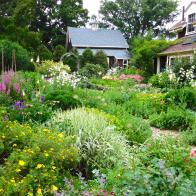
More people are transforming traditional lawns or garden beds into naturalistic, meadow-style landscapes — a shift known as meadowscaping. As people seek sustainable, low-maintenance gardening methods, this naturalistic approach combines wild aesthetics with genuine environmental benefits. Eric Bramlett, owner of Bramlett Real Estate, and Claire Chambers, CEO of Meadow Lab, share their thoughts on how this new landscaping style is evolving.

Hillside Farmhouse Front Yard
This beautiful, hillside farmhouse features front yard meadow with blooming perennials and flowing grasses. A wraparound porch provides the ultimate spot to relax as the sun sets overlooking the landscape.

Photo by: Karl Miller
Karl Miller
Why is meadowscaping gaining popularity? Bramlett explains, "I’ve seen increased interest from buyers in more natural, meadowscaped yards — especially here in Texas. More homeowners want landscaping that is low-maintenance, eco-friendly and reflects the region’s natural beauty." This garden trend reflects a broader shift toward sustainable living, particularly among younger homebuyers who prioritize environmentally responsible choices.
The appeal of meadowscaping extends beyond mere aesthetics; it also features ecological benefits. "Meadows provide critical habitat for a wide range of wildlife, unlike traditional turf lawns, which offer little ecological value," says Chambers. Meadowscaped areas boost biodiversity, support pollinators like bees and butterflies and improve soil health with deep-rooted plants that enhance soil structure and minimize erosion. They also connect fragmented habitats — continuous natural areas that have been broken into smaller, isolated patches by human activities such as urban development, agriculture or road construction — helping to maintain healthy ecosystems.
Transitioning to a meadowscape involves selecting appropriate native plants. Chambers recommends easy-to-grow species such as:
- Little Bluestem (Schizachyrium scoparium)
- Butterfly Milkweed (Asclepias tuberosa)
- Purple Coneflower (Echinacea purpurea)
- Smooth Aster (Aster laevis)
- Blazing Star (Liatris spicata)
These native plants are well-adapted to local conditions, reducing the need for synthetic fertilizers and pesticides that traditional landscaping often requires.

Courtesy of Meadow Lab/Jarren Vink
Starting your meadowscape can be as simple as converting a small corner of your yard. Bramlett emphasizes that while meadowscaping is low-maintenance, it still requires planning. "Curb appeal still plays a very important role, but the key is to balance that natural and wild beauty with structure and intention," he advises. Using defined borders, gravel paths, and layered plantings ensures the landscape looks curated rather than neglected. One accessible way to begin is with Wildflower Sod™, a pre-grown mat of native grasses and flowers designed for easy installation and immediate visual impact. As Chambers explains, "Many of the native meadow plant species grown in Wildflower Sod™ are chosen for their adaptability and ecological value.
Properly designed meadowscapes can positively affect a home's resale value. Bramlett notes, "In climates like Austin’s, where water restrictions and extreme heat are becoming more common, buyers see traditional lawns as high-maintenance as well as costly." Homes with thoughtfully planned, drought-tolerant meadowscapes often sell faster and command higher prices due to reduced upkeep costs and enhanced curb appeal.
Despite its benefits, misconceptions about meadowscaping persist. Bramlett addresses a common concern: "The idea that it’s just an unkempt yard can make people fearful that it might hurt resale value. But the reality is that a true meadowscape is a carefully designed yard using native or adaptive plants to create a beautiful space." Meadowscaping is not completely maintenance-free, but does require significantly less upkeep than traditional lawns, making it attractive to environmentally conscious homeowners.

Courtesy of Meadow Lab/Jarren Vink
For those concerned about appraisals or Homeowner Association (HOA) regulations, Bramlett recommends working with professional landscape designers who are familiar with local guidelines. "A professionally planned meadowscape with defined borders, clear pathways, and seasonal interest showcases to both appraisers and neighbors that this is a purposeful and value-added feature," he says. Documenting the ecological benefits, such as reduced water usage and support for pollinators, further strengthens the case for meadowscaping.
In urban settings, meadowscaping offers additional environmental advantages. Chambers points out that "replacing concrete or hardscaping with meadow plantings can create cooler microclimates and reduce the overall heat burden in urban areas."
Ultimately, meadowscaping is more than just a landscaping trend — it represents a practical and visually stunning approach to gardening that supports local ecosystems and reduces environmental impact. By adopting this method, homeowners can enjoy the beauty of a thriving, vibrant garden while actively promoting environmental sustainability. As Bramlett succinctly puts it, meadowscaping provides "a smart and visually pleasing choice" for today's eco-conscious homeowner.