




Planting, Growing and Harvesting Marjoram
Marjoram is a Mediterranean herb that is often used in French cooking. Learn how to grow and care for marjoram in your garden. Plus, get tips for harvesting, using and preserving fresh marjoram.

Marjoram is a versatile herb, with loads of culinary, ornamental and wildlife value. The fragrant foliage adds a spicy-sweet flavor to vinegars, oils, meats and soups (among other culinary uses). The low, mounding plants grow well along pathways, in the front of flower borders, containers and herb gardens. Bees, butterflies and moths are drawn to the summer blooms, which are rich in pollen and nectar. While marjoram is sensitive to cold, it’s easy to propagate from seed or cuttings or to overwinter in containers.

Roman Milavin
Sweet marjoram is a beautiful and resilient herb that’s easy to grow.
Botanical Name: Origanum marjorana
Common Name: Sweet Marjoram
Bloom Time: Mid to late summer
Light Needs: Full sun
Hardiness Zones: Zones 9 to 10
Height: 1 to 2 feet
Growth Rate: Medium
Sweet marjoram is a classic Mediterranean herb that is often confused with its close relative oregano (Origanum vulgare). What's the difference between oregano and marjoram? Marjoram differs from oregano in terms of its flavor and cold hardiness. While oregano leaves have a pungent, spicy taste, marjoram is usually sweeter and milder in comparison. Oregano is a hardy perennial that is evergreen in all but the coldest winters. Marjoram is only reliably perennial in warm southern regions and may need to be replanted in USDA Hardiness Zones 8 and above.
How to Use in Your Landscape
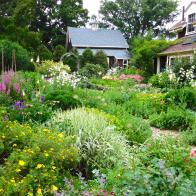
Sweet marjoram grows well in the gritty, alkaline soils that are common around home foundations, patios, driveways, sidewalks and pavement curbs, where it can be used as an aromatic and drought-tolerant edging plant. It grows well as a companion plant in edible gardens, as well as a fragrant, green mound in rock gardens. Sweet marjoram performs especially well in raised beds, pots, troughs and mixed containers.
Marjoram may not be the showiest plant in flower, but pollinating insects have no trouble finding its nutritious blooms. The aromatic flowers are especially rich in pollen and nectar, which bees, butterflies, moths and other pollinating insects need to survive. Sweet marjoram is a great choice for pollinator gardens or as a companion plant that attracts pollinators to fruit trees, shrubs and vegetable gardens.

sasimoto
Marjoram with white pollinator-attracting flowers.
How to Grow Marjoram
As is true of oregano and other familiar herbs that are native to the warm, dry Mediterranean region (like rosemary, thyme and lavender), sweet marjoram needs full sun and well-drained soil to grow its best. It grows happily in spots that have six or more hours of bright, direct sunlight. While marjoram performs well in lean, nutrient-poor soils, the leaves are more flavorful when plants are grown in richer soils with more organic matter. Marjoram needs regular water while it establishes its roots, but too much water (especially in poorly drained soils) can lead to weak stems and root rot.
Sweet marjoram plants can usually be purchased from your local garden center or plant nursery in the spring. However, you can also grow marjoram from seed, stem cuttings and division.

How to Plant a Kitchen Herb Garden
Herbs are easy to grow, they don’t take up a lot of space and they are a healthy way to add more flavor to your cooking. Whether you’re a beginning gardener or looking to elevate your culinary skills, an herb garden is the way to go.
How to Grow Marjoram From Seed
The best time to start marjoram seeds indoors is about six weeks before the date of the average last frost of the spring. This should allow plenty of time for the seeds to sprout and the seedlings to grow into healthy, young plants before moving outdoors.
First, fill a shallow tray with moist potting soil. Lightly scatter the marjoram seeds on the soil surface, then gently tamp down the soil. Marjoram seeds usually sprout within two weeks when grown in a warm location that’s close to 70 degrees, although it can take a little longer in greenhouses or garages that dip into cooler temperatures at night. Gardeners can use a seedling heat mat to speed up germination.
Marjoram seedlings need sun from a bright window or grow light to develop healthy, strong stems. Once the seedlings have about five leaves, the small plants can be gently lifted from the tray and replanted in a small pot. Plant outside in the garden when temperatures are above 60 degrees.

Photo by Felder Rushing
How to Grow Marjoram From Cuttings
If you live in an area where marjoram doesn’t usually survive the winter, you can overwinter marjoram inside by rooting stem cuttings.
- Prepare the pot where the stem cuttings will grow. Choose a well-drained potting mix that has a good amount of soil or perlite. Thoroughly moisten the growing mixture before sticking the stem cuttings.
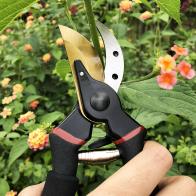
- Use clean, sharp pruners to snip your stem cuttings. According to The Herb Society of America, the part of the stem used can influence rooting success. For best results, cut the stem about 8 inches from the tip, then remove and discard the top 1-2 inches, which will have a weak, green stem.
- Trim off the foliage from the bottom three-quarters of the stem and dip the base in rooting hormone powder (available from most plant nurseries and garden centers).
- Gently push the stem into the moist potting soil, then cover it with a plastic bag while the stem cutting develops roots.

35 Herb Garden Design Ideas + Growing Tips 35 Photos
Want to spice up mealtime with the fresh flavors of homegrown herbs? Discover great ideas you can use to inspire your own herb garden design.
How to Divide Marjoram
Simple plant division is the easiest way to propagate marjoram in areas where this herb is reliably winter hardy. Use a shovel to lift the roots from the soil. Use a sharp spade, plant knife pruners or other cutting tool to divide the plant into two or more sections. Pot up or replant in the garden. Keep the plants at the same soil level and avoid burying them too deeply or shallowly.

Mira Drozdowski
How to Harvest Marjoram
Marjoram leaves can be harvested at any time; however, the flavor is usually at its height when the flowers are in bud. While sweet marjoram can be used fresh from the garden, dried leaves often have a stronger flavor. To dry and preserve marjoram, use sharp pruners to snip the plant stems. Harvest early in the day, after the morning dew has dried, when the essential oil content of the foliage is at its peak.
There are many ways to dry and preserve sweet marjoram. The stems can be bundled up and hung upside down in a dark, dry, airy spot for a week or so. According to The Herb Society of America, you could also simply lay the stems on a cookie sheet and leave them in an air-conditioned room for a few days.
The dried leaves should be ready to store when the stems become brittle and easily break when bent or twisted. Use your fingers to remove the dried leaves from the stems, then store in a secure glass or plastic container. Place the container in a dark cabinet and use as needed.


