Planting, Growing and Harvesting Borage
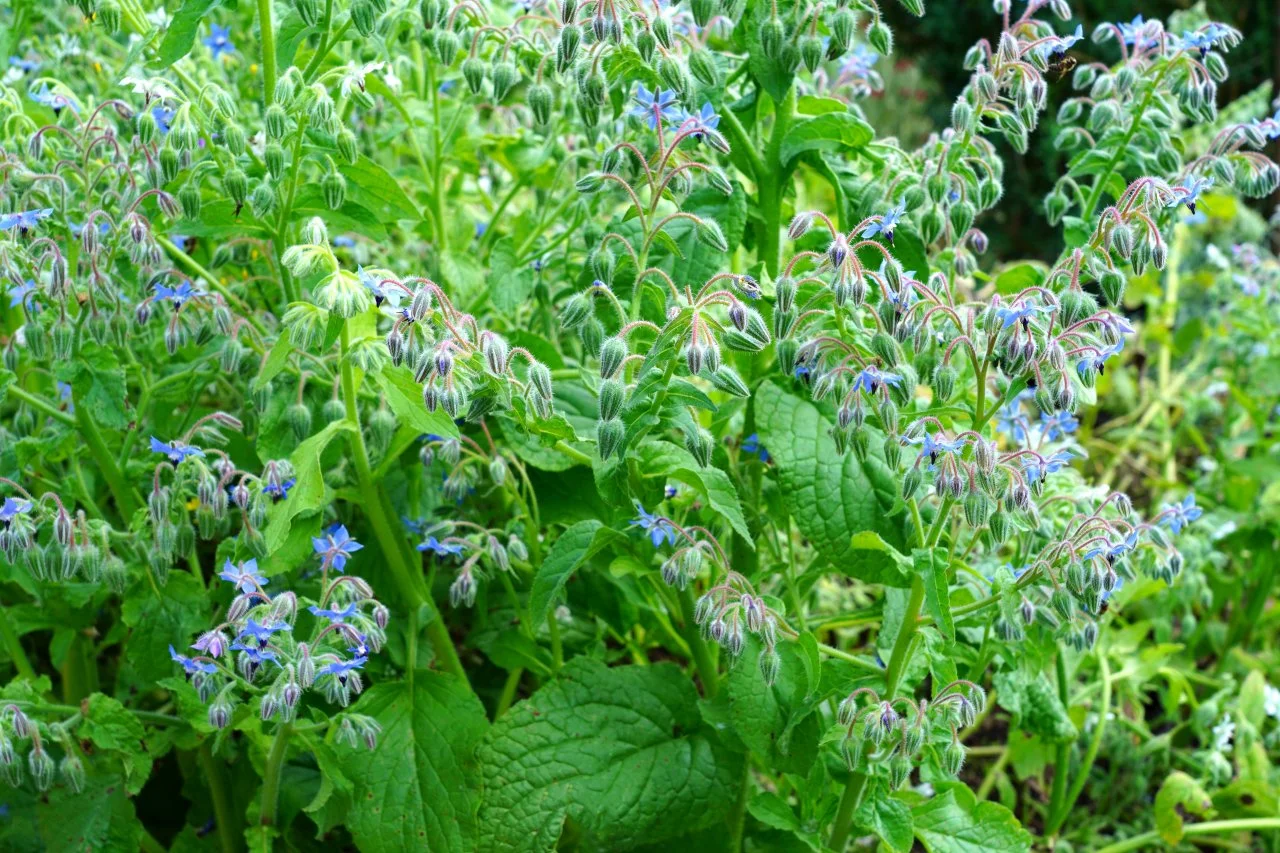
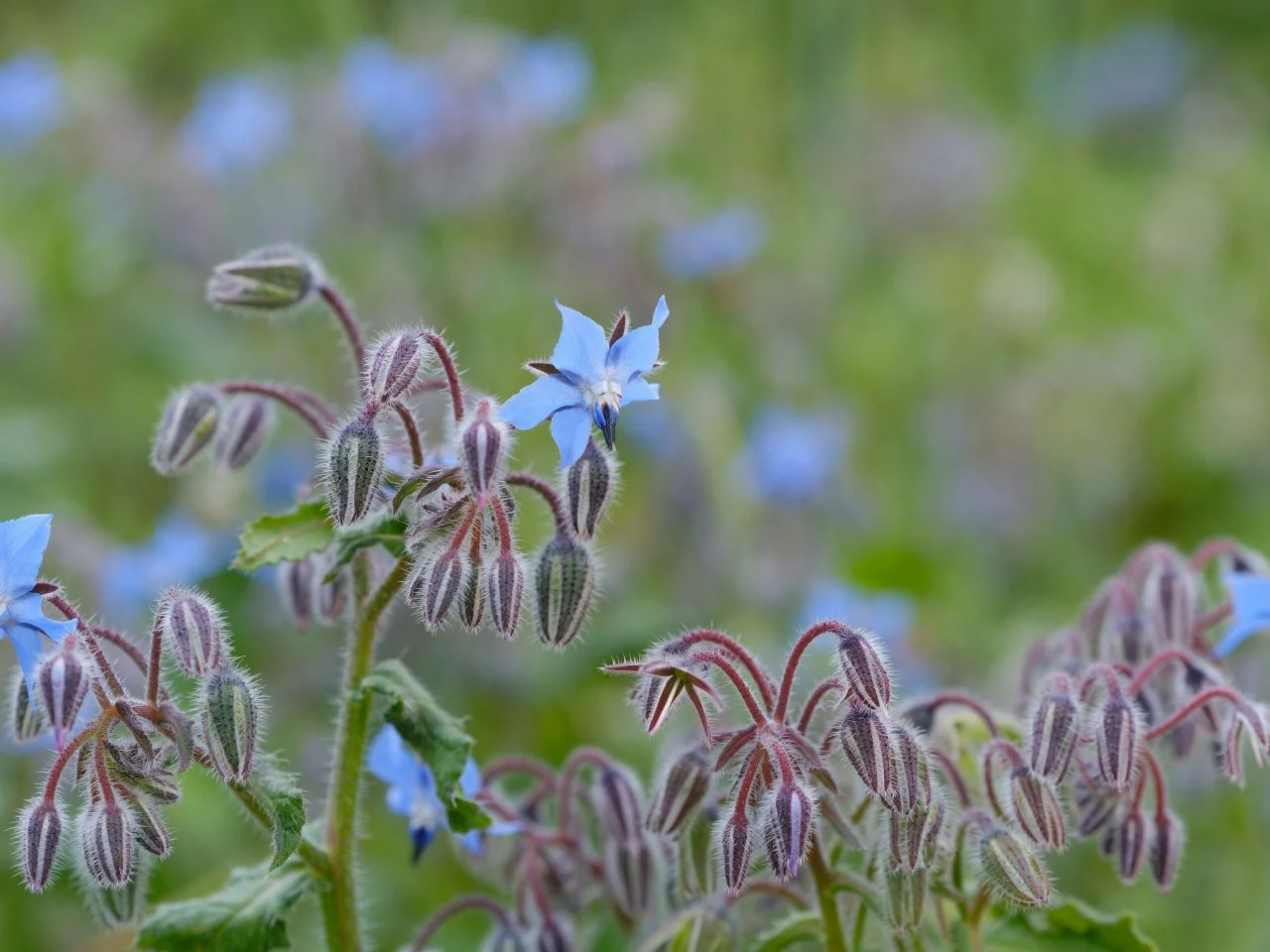
Sun-loving borage is a delicious, beautiful and easy-to-grow annual herb that tastes similar to cucumber. People are not the only ones who like its pretty blue flowers and purple stems, all types of garden pollinators are attracted to borage, too.

Borage is native to the Mediterranean region, where it has been cultivated as a medicinal and culinary herb for centuries. Whether it’s grown for its beautiful starry blue-pink blooms, the refreshing cucumber-flavored foliage or as a pollinator plant, borage is an annual herb that deserves a place in any garden. Borage grows easily from seed in the spring, producing a multitude of beautiful flowers and delicious leaves by mid-summer.
EQRoy
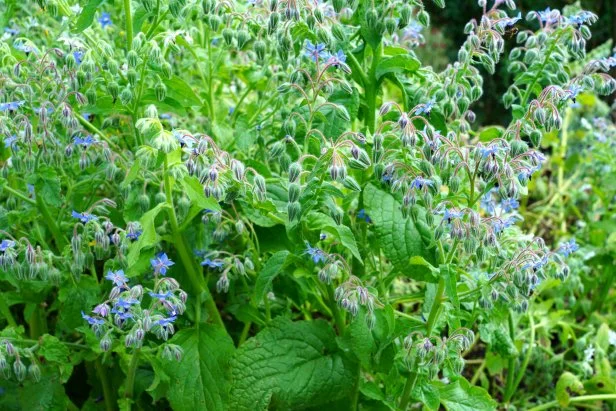
Blue star-shaped flowers of the borage plant (borago officinalis) add color and texture to any herb garden.
Botanical Name: Borago officinalis
Common Name: Borage
Bloom Time: Summer
Light Needs: Full sun to part shade
Height: 1 to 3 feet
Growth Rate: Fast
How to Use Borage in the Landscape
With its lovely star-shaped blooms and adaptability to a variety of garden conditions, borage makes a great addition to just about any garden. Borage grows best in well-drained, sunny locations, but it is tolerant of many environmental conditions. Plant in a sunny spot that has good air circulation and adequate soil drainage to limit powdery mildew and other health problems.
Borage is a culinary herb that is a great choice for vegetable and herb gardens. The nectar-rich blossoms attract beneficial insects — especially bees — that go on to pollinate the flowers of tomatoes, squash, cucumbers, okra and other familiar edibles. Borage is also deer resistant; they find the blooms too fuzzy to eat. The lovely blooms and versatility of borage also make it a good addition to traditional flower borders, pollinator gardens and foundation plantings.
This annual herb does not tolerate cold weather and needs to be regrown each spring. Gardeners can save seeds to plant the next season or allow borage to self-seed in the garden.
manola lucignani
Borage makes a great meadow plant.
How to Grow Borage
Gardeners may be able to purchase borage plants from their local garden center or a specialty herb nursery in the spring. However, borage is most commonly grown from seed.
Simply scatter seeds on the soil surface in the spring after the last frost of the season, or plant seeds in pots about a month before the average last frost in your region. Seedlings usually emerge within two weeks of sowing seed. Some gardeners grow multiple successions of borage during the growing season, sowing fresh seed every month or so to ensure a constant supply of flowers throughout the summer.

How to Plant a Kitchen Herb Garden
Herbs are easy to grow, they don’t take up a lot of space and they are a healthy way to add more flavor to your cooking. Whether you’re a beginning gardener or looking to elevate your culinary skills, an herb garden is the way to go.
How to Harvest and Use Borage
Borage foliage has a fresh, cucumber taste. Pick the tender young leaves for fresh eating and salads. The mature leaves are less palatable when fresh, because of their course, hairy texture. However, the larger, fuzzy leaves can be boiled and used as a delicious spinach alternative.
The starry, nectar-rich flowers are also delicious and make a cheerful and flavorful garnish for salads and beverages, adding a splash of color along with the taste of cucumbers and honey. For the best flavor, use freshly picked borage blossoms.