Companion Planting With Cilantro
Cilantro serves as a powerful companion plant in the vegetable garden, attracting beneficial insects that prey on insect pests of a variety of crops, including tomatoes, peppers, eggplant, potatoes, beans and more.

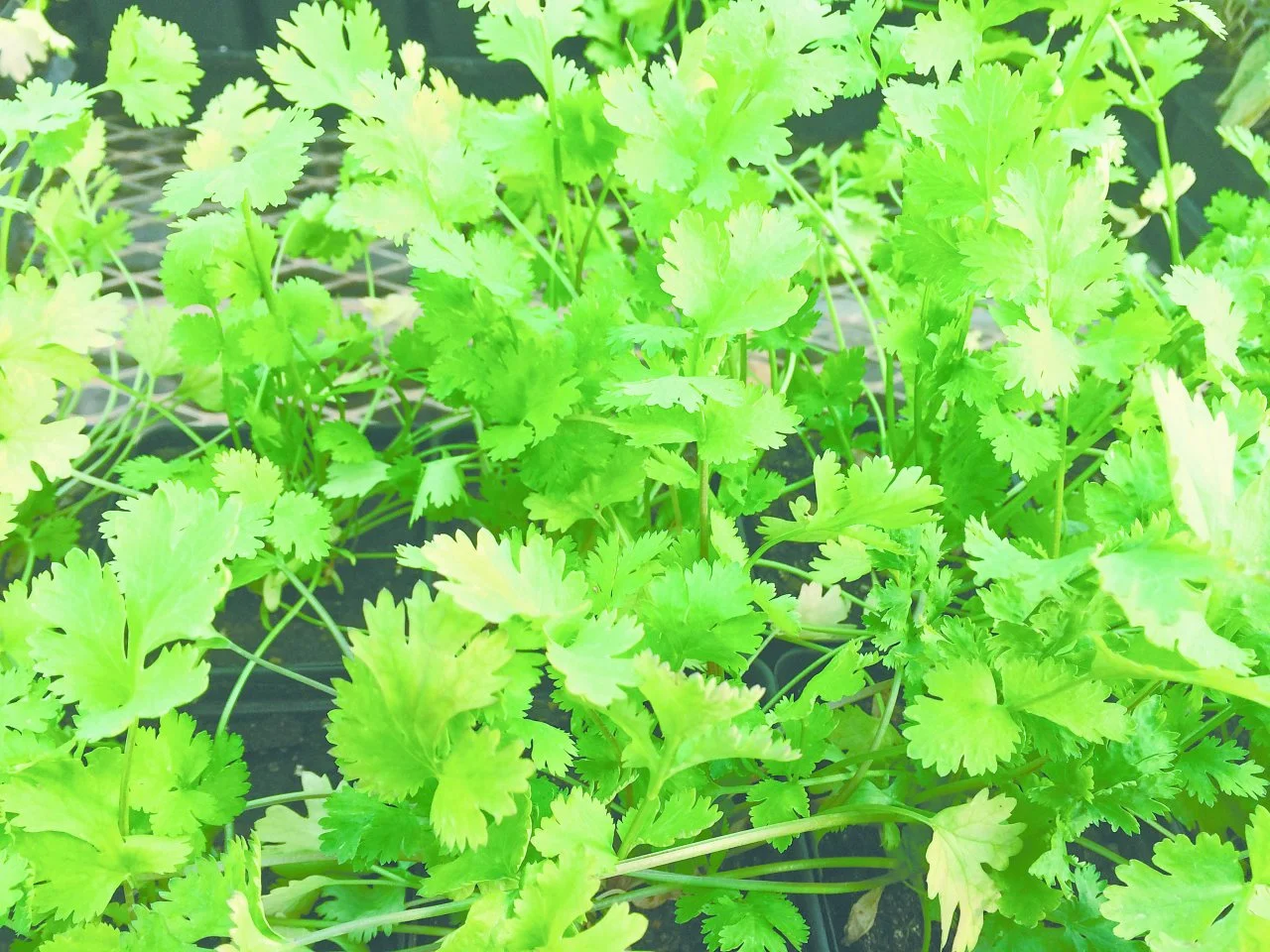
Chefs across the globe depend on the unique flavors of cilantro to season their dishes. In the kitchen, the fragrant foliage is called cilantro, while the aromatic seeds are called coriander; some people call the whole plant coriander, no matter the life stage or part. It’s all the same plant, Coriandrum sativum. In addition to its culinary value, cilantro makes an excellent companion plant when grown alongside many common vegetables.
Photo by Elizabeth Millard / Courtesy Cool Springs Press
What is Companion Planting?
Companion planting is built around the idea that some plants just grow better together. Fragrant herbs and flowering plants, like cilantro, are popular companions to deter pests and to attract beneficial insects — like predators of garden pests and pollinating bees and butterflies — to the garden.
Cilantro’s aromatic foliage not only makes it a staple in the kitchen, but can also mask the smell of its neighbors in the garden. Many pests rely on their sense of smell to locate their lunch. Mingling fragrant herbs like cilantro in the vegetable garden is a good way to camouflage crops from their pests.
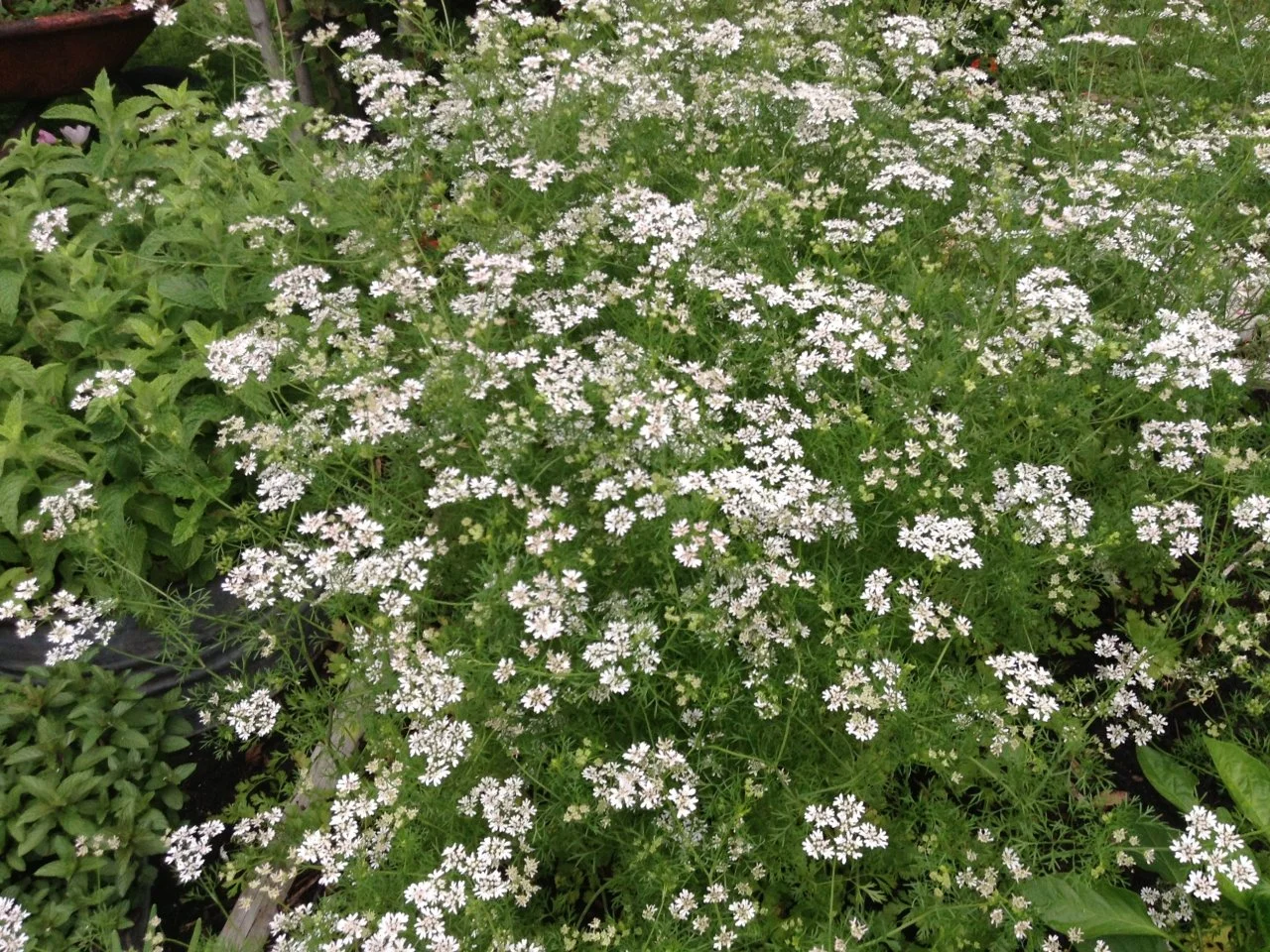
Whether you grow cilantro for its foliage or seeds, this cool season herb tends to bolt (or flower) when warm weather hits. Don’t rush to replace these herbs when they’re ready to bloom — cilantro’s foamy white and pink flowers attract predators of many garden pests, including parasitic wasps, tachinid flies, syrphid flies, lacewings, and ladybugs.
As an herb, cilantro leaves and coriander seeds are beloved across the world for their culinary and health benefits. A wealth of scientific studies have investigated the benefits of cilantro as a companion plant for many types of vegetables and found it to be a healthy addition to the veggie garden, too. Of course, results will vary by location, crop, and even year, and researchers tend to focus on the advantages of growing cilantro with large vegetable plantings. However, these findings are a great start for home gardeners hoping to experiment with companion planting.
Cilantro Companions
- Grow with tomatoes to discourage pests and attract predators. Cilantro’s open blooms attract many predator species, including parasitic wasps that prey on tomato hornworms. Cilantro also produces aromatic volatile chemicals that mask the fragrance of tomato from whiteflies and other pests, making it harder for them to find.
- Interplant with peppers to attract predators of aphids and fruit borers, including lacewings, minute pirate bugs, and ladybugs.
- Grow with eggplants and potatoes to attract predators of the Colorado potato beetle, like lacewings, coccinellid beetles, and ladybugs.
- Interplant with legumes like green beans, broad beans, and fava beans to deter aphids, thrips, pea leaf weevils, and other pests. Cilantro’s flowers will attract predators including ladybugs, hoverflies, and lacewings.
- Cultivate with okra to deter whiteflies. Cilantro’s blooms will attract predators of whiteflies and other pests.
- Grow with carrots to limit damage caused by many common pests including carrot psyllid, carrot rust fly, aphids, lygus bugs, and nematodes. Allow cilantro to bloom to attract predators of carrot pests like ladybugs and syrphid flies.
- Plant with cruciferous vegetables like cabbage, cauliflower, kale, and mustard to discourage aphids, deter diamondback moth caterpillars, and to attract predators like ladybugs.
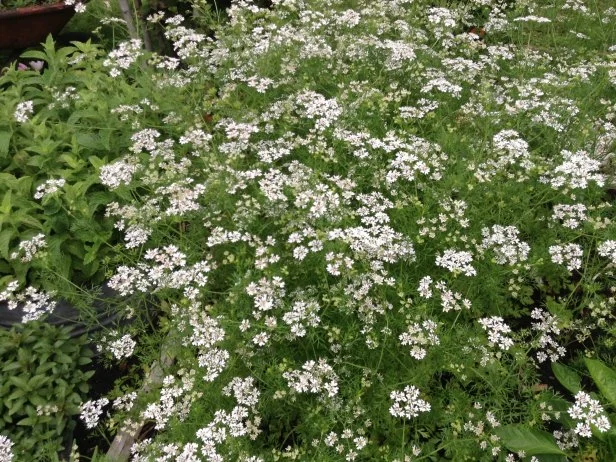
Most of cilantro's benefits as a companion plant happen during the flowering stage, when beneficial insects flock to the nectar-rich blooms.
Tips for Growing Cilantro
This annual herb is easy to grow from seed or from transplants. Cilantro grows best in temperatures between 50- and 85-degrees Fahrenheit. Plant in the garden early in the spring to maximize foliage production before cilantro begins to bloom. Southern gardeners with mild winters can plant cilantro in the fall.
Cilantro will begin to bolt in the heat of summer. If you’re growing cilantro for its foliage, look for heat-tolerant varieties like ‘Calypso’ to extend the harvest. Cilantro’s delicate, lacy white-pink flowers are packed with energy-rich pollen and nectar for beneficial insects.
If seeds are allowed to mature on the plant, cilantro will freely seed itself in the garden and volunteers will pop up the next season. If you’re concerned about cilantro reseeding itself, simply cut back flower stalks when the plant is done blooming.
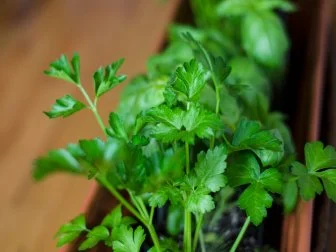
How to Grow Cilantro
Growing cilantro in pots or your garden is like "two for the price of one." Harvest this herb's leaves for salsas, salads and soups and save the seeds for coriander spice.
Tips for Crop Rotation
Plants that are in the same botanical family are often susceptible to the same pest and disease pressures. Cilantro is related to carrots, parsnips, and parsley, which means that if pests begin to plague your cilantro, you should consider rotating where these plants are grown each season to prevent pest pressures from building up in the soil.