

How to Grow Alocasia
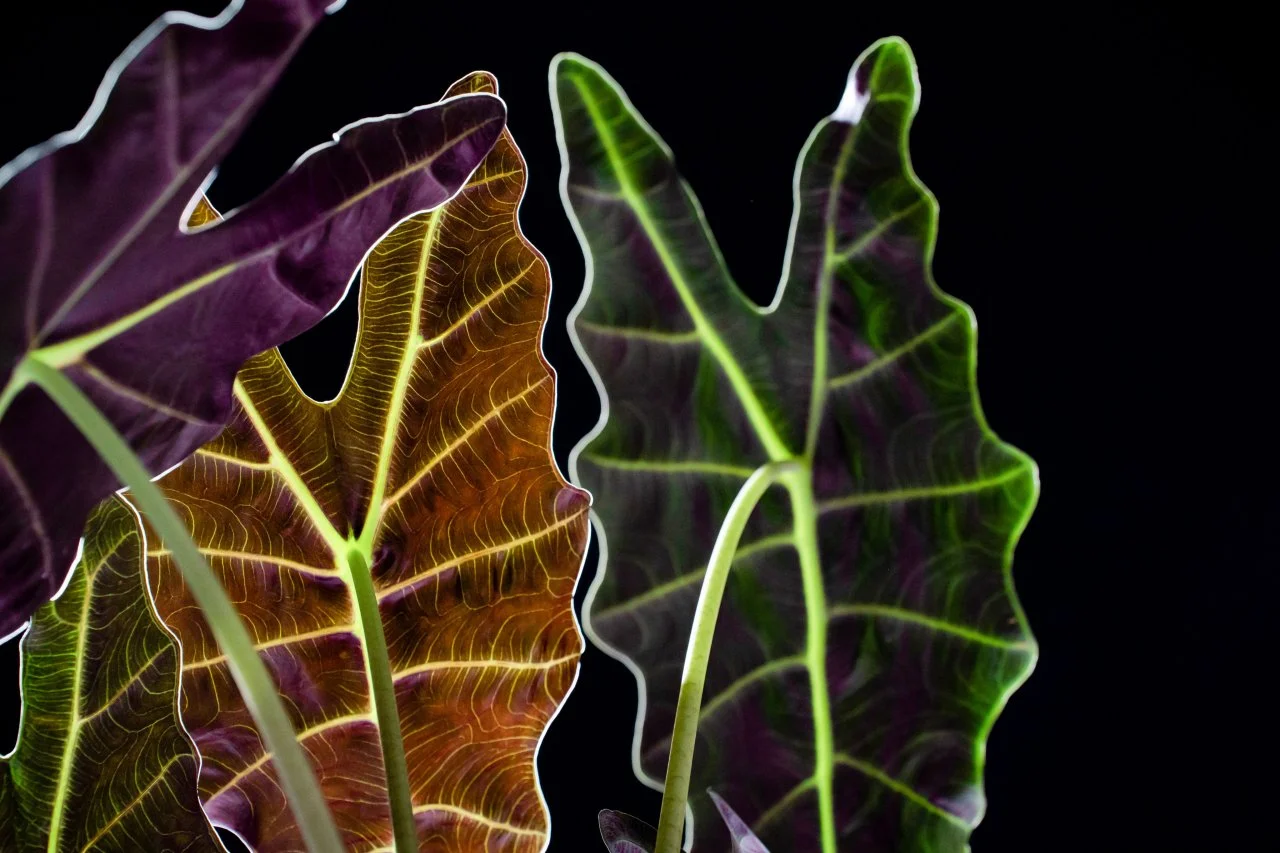
Commonly known as elephant's ear, this family of big-leafed tropical plants can be grown outdoors as a dramatic specimen plant or indoors as a houseplant.
Shutterstock/mokjc
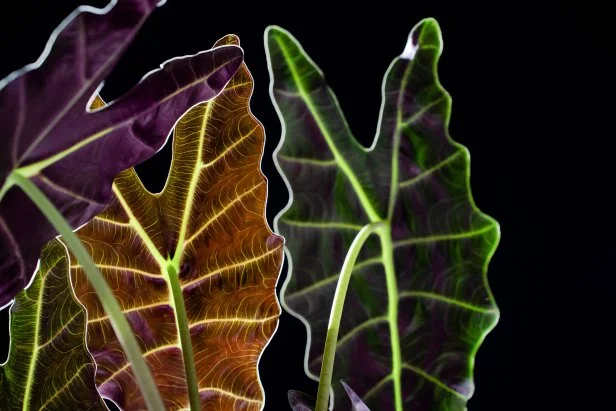
Alocasia's large, heart- or arrow-shaped leaves can grow up to 3 feet long and 2 feet wide, making elephant's ear a dramatic plant.

Alocasia is a family of tropical plants grown for its big, beautiful leaves. Long a garden favorite in warm zones, there are many types of alocasia now grown as houseplants.
Alocasia has large, heart- or arrow-shaped leaves that look a bit like elephant ears. That’s how alocasia got its common name: elephant’s ear. The ginormous leaves can get up to 3 feet long and 2 feet wide, making alocasia a dramatic plant.
Easy Indoor Tropical Plants 14 Photos
These easy-to-grow potted plants are a tropics lover's paradise for indoor growing.
If you live in a tropical climate, you can grow alocasia outdoors, where its huge leaves will be a dramatic accent for your garden or yard. Elephant’s ear will reach 1 to 3 feet tall and 3 to 6 feet wide, depending on the type.
Outside of the tropics, you can grow alocasia outdoors as an annual, or dig it up and bring it indoors for the winter and replant it in the spring. There are nearly 100 species of alocasia, and most of them are grown as houseplants.
Note: Elephant ear is the common name for the plant species Colocasia, too. A lot of people call Colocasia esculenta, also known as wild taro, elephant’s ear. But we’re focusing on the species alocasia.
Botanical Name: Alocasia spp
Common Name: elephant ear, elephant's ear, Alocasia
Bloom Time: Prized for its foliage
USDA Hardiness Zones: 10 to 12
Planting and Growing Alocasia
Elephant’s ear does best in part shade or filtered sun. Plant it where it gets morning sun and afternoon shade. Too much direct sun will scorch its leaves and leave them scarred the rest of the season.
Start elephant’s ear from rhizomes indoors in a big pot, six weeks or so before the last frost. Move it outdoors when the nighttime temperatures reach 50 degrees or higher.
You can also start elephant’s ear with nursery plants so you’ll get those big leaves in your house or garden sooner.
It’s a great container plant for a shady porch or patio. Put it a large container and it will thrive all growing season.
If you live in a place that’s not tropical, you can still make elephant’s ear part of your garden. Dig a hole in the garden, sink a container of alocasia in the hole until the rim is level with the surrounding ground and leave it all season. Bring the plant indoors, pot and all, before the first frost and overwinter it indoors in a cool, humid spot.
You can also grow alocasia as an annual if you live in cold climates. Just plan on buying a new plant each spring when your old plant dies in the first frost.
Plant them in rich, well-drained moist soil. They don’t do well in clay soils or in standing water.
Caring for Alocasia
Water and fertilize outdoor elephant’s ear regularly. Indoor alocasia does best if you let the soil dry out between waterings.
Elephant's ear doesn’t like having its roots disturbed. If you dig them up and move them to bring them inside for the winter or to a new location, they’ll need a couple of months to re-establish themselves.
Propagate elephant’s ear and other types of alocasia through division. That means digging up chunks of rhizomes (the plant’s tuberous roots) when it gets too crowded in a garden or container and growing new plants from the rhizomes.
Remove leaves that get damaged or turn brown. You don’t need to prune alocasia — just trim it to keep it looking tidy.
Pests and Diseases
Alocasia is prone to fungal leaf blight. Those big old leaves hold water and will get a telltale fuzzy growth on them. Left untreated, fungal leaf blight will infect the entire plant. Treat it by cutting off the diseased leaves and applying a copper-based fungicide to the plant.
Spider mites like this plant for the shade of those big leaves. If you see webbing on the leaves, or tiny yellow or brown holes in leaves, or if leaves start dropping off, you may have a spider mite infestation. Hose the mites off with water and apply an insecticidal soap to keep them from coming back.
Recommended Elephant's Ear Varieties
Here are some good species and cultivars of alocasia for you to grow indoors or out:
Giant upright elephant’s ear — Alocasia macrorrhiza has enormous glossy leaves on rigid stems. This is the alocasia most frequently grown outside, mainly because of its size. It grows to 8 feet tall and about that wide. The clumping plant gives a garden a tropical look, no matter the location.

Shutterstock/Bagus Wiranjaya
Alocasia macrorrhiza is the alocasia variety most grown outside.
African mask plant — Alocasia amazonica has large, leathery leaves shaped like arrowheads and tint in hues of olive, green, bronze and maroon. Dramatic veining gives the foliage a striped look. It grows to 3 feet tall and is hardy in Zones 9 to 11.

Shutterstock/Tyo Fortyseven
Alocasia amazonica grows up to 3 feet tall.
‘Black Magic’ elephant’s ear — Alocasia infernalis ‘Black Magic’ is good for containers because it grows slowly and is just a foot tall at maturity. Its purple leaves are so dark that they look black, and they shine as if they’ve been shellacked. It’s a gorgeous plant.