




When to Plant Bulbs for the Most Beautiful Blooms
Not sure when to plant spring bulbs? Take the guesswork out of knowing when to plant tulips and a host of other bulbs with this handy guide.

Wouter Koppen for iBulb.org
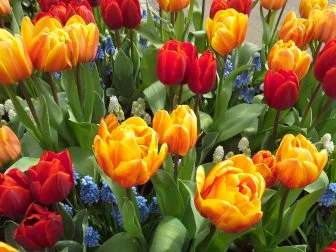
A stunning spring tulip display starts with planting the bulbs in fall.

When spring bursts into bloom with drifts of tulips, grape hyacinths, and daffodils, flower bulbs steal the show and capture every imagination. The best aspect of growing bulbs is that they're so simple. Purchase, plant and wait is an easy process anyone can follow with great success.
A flower bulb is an amazing work of art. Inside the plain wrapper lies the makings of beautiful blooms, a spring flower show that can stop traffic. Each bulb is a renewable flower factory, having the ability to create new blossoms year after year. Planting bulbs is one of the best investments you can make in your garden.

iBulb.org
Flower bulbs are actually a type of food-storage organ, a way that plants stash the food they make from sunshine to help fuel future growth and flowers.
The trickiest part of growing these beauties is knowing when to plant spring bulbs. The right timing is when soil cools, which means fall in colder regions and early winter in warmer ones. Learn tips on when to plant tulip bulbs, as well as warm-weather bulb bloomers like gladiolus or Asiatic lilies.
Types of Bulbs
In the strictest botanical sense, a bulb refers to something like a tulip or allium. It's a complete plant package that contains leaves surrounding a flower bud or sprout. But generally speaking, the term "bulb" is commonly used to encompass a variety of plants, including ones that grow from corms (gladiolus, crocus), tubers (dahlia, caladium) and rhizomes (canna lily).

Colorblends
Cheerful daffodils are classic spring flowers. For a natural look, toss them around your yard or landscape and plant them where they fall. 'Sunshine Boys,' pictured here, is a blend of early-blooming daffodils.
Typically, bulbs fall into two categories: spring and summer.
Spring bulbs: These are the bloomers that steal the spotlight in spring. Examples include crocus, tulip, daffodil, hyacinth and allium. Spring bulbs are also called "hardy bulbs." Planted in fall, they grow roots until the ground freezes and resume growing in spring, when they flower.
Summer bulbs: These are the summer and fall showstoppers. Examples include gladiolus, Stargazer lily, Martagon lily, dahlia and calla. Summer bulbs are sometimes called "tender bulbs." They're typically planted in spring — after all danger of frost has passed — and blossom in summer or fall.

Julie Martens Forney
‘Stargazer’ Oriental lily unfurls large blooms in midsummer and can scent an entire yard on a steamy summer evening. Hardy in Zones 3-9.
Where to Plant Bulbs
The ideal spot for bulbs provides two things: well-drained soil and sunlight. Drainage is critical because if bulbs sit in water underground, they rot. Improve heavy clay soil that doesn't drain well by adding organic matter, such as compost, composted manure or bark fines. In the Netherlands, where many bulbs are commercially grown, the soil is sandy, which creates sharp drainage.
After spring-flowering bulbs bloom and fade, they enter a period of dormancy. Avoid planting bulbs in a spot that receives heavy irrigation through this dormant time. Choose planting companions for spring bulbs that don't require tons of water. Good perennial choices include coreopsis, sedum, Millennium allium, daylily and cranesbill geranium. Herbs also make great planting partners for bulbs, including thyme, oregano or sage.

iBulb.com
Crocus flowers open in early spring, welcoming the season. For the greatest impact, plant these dainty bloomers in drifts of a dozen or more bulbs.

6 Ways to Prevent Animals From Eating Flowering Bulbs
Learn our tricks for keeping pesky critters from digging up hardy bulbs.
When to Plant Spring Bulbs
The best time to plant spring bulbs depends on where you live. In general, you want bulbs in the ground six to eight weeks before soil begins to freeze. After planting, bulbs produce small feeder roots that anchor the bulbs in place over winter and absorb water to hydrate bulbs until spring.
- Plant too early, and after feeder roots form, shoots will also start to grow, which can diminish spring growth.
- Plant too late, and feeder roots won't have time to form.
That's why garden experts suggest planting when soil temperature is in the 40- to 55-degree range. That range encourages root growth without triggering shoots to sprout.
Of course, there are exceptions to these too-early, too-late rules.
- When to plant tulip bulbs: Tulips benefit from being planted a few weeks later because colder soil inhibits fungi that attack tulip bulbs.
- When to plant daffodil bulbs: Daffodils benefit from an early fall planting, before most other spring bulbs. This is because daffodils tend to push out roots quickly, sometimes while they're in storage. Exposed roots need soil to protect the bulb from drying out.
But in general, follow these average planting times for spring bulbs:
- Zones 4-5: October
- Zones 6-7: November
- Zones 8-9: Late November to early December
- Zone 10: Late December to early January
Chilling Bulbs
The last exception for when to plant spring bulbs relates to gardeners in the warmest zones (Zones 8-10). In these regions, you may need to prechill bulbs for six to 10 weeks before planting. Doing this gives bulbs the cold they need to grow and bloom, and it also gives soil time to cool before planting.
Not all bulbs need chilling. For instance, allium, daffodil, snowdrop and Spanish bluebell can go in the ground without chilling. Tulips are the bulb that gardeners typically chill. Provide the chill by storing bulbs in a refrigerator, preferably away from produce and food. Many gardeners keep a mini fridge for this purpose.

iBulb.org
To enjoy gladiolus flowers for a longer growing season, practice staggered planting. Tuck individual bulbs into soil every 5 to 10 days.
When to Plant Summer Bulbs
Aim to plant summer bulbs in mid- to late spring. Don't jump the gun and plant summer bulbs too early, because if they sit in cold, damp soil, they'll rot.
In general, follow these average planting times for summer bulbs:
- Zones 4-7: May to June
- Zones 8-10: Late March to May
How to Plant Bulbs
Most bulb packages state how deep to plant bulbs. The general rule of thumb is to plant twice as deep as the bulb height. For example, a 2-inch-tall hyacinth bulb should be planted 4 inches deep.

SHAIN RIEVLEY
When planting bulbs, push them gently into soil to ensure the bulb base has made contact with soil.
Tuck bulbs into soil so the bottom is down, snuggled into soil. A bulb bottom is often flat and may have some dried root remnants. Some bulbs, including tulip, hyacinth and daffodil, have a conical shape, so it's easy to identify the top (pointed) side. If you absolutely cannot tell which end is up on a bulb, plant it on its side.

SHAIN RIEVLEY
Healthy bulbs, like these hyacinths, should be firm and heavy for their size.
To deter critters from digging up newly planted bulbs, lay chicken wire or hardware cloth over the planting area. Shaving a bar of soap into the upper layers of soil above a bulb also helps discourage digging, as does planting bulbs through a groundcover. Cover bulb planting areas with mulch or chopped leaves to dissuade squirrels (they love freshly turned soil that's uncovered).
Some of Our Favorite Bulbs


Tips on Buying Bulbs
- Always choose the largest bulbs you can afford. With bulbs, you get what you pay for: A bigger bulb yields a bigger flower show.
- Take advantage of preordering bulbs from mail-order companies. You'll get the best price, and these companies have a wider selection of bulbs than you'll find in most retail outlets.
- Healthy bulbs are heavy and firm to the touch. Don't plant bulbs that feel spongy or have soft spots or signs of decay.
- Bulbs shouldn't have fresh roots or shoot tips emerging. The exception is lily bulbs, which usually have fleshy roots attached to bulbs.
- Look for bargain bulbs at the end of the season, especially at big-box stores. If you're not fussy about flower varieties, you can often snag amazing deals on bags of bulbs. Toss any that aren't up to snuff for planting, and add the rest to your landscape or outdoor containers.
Frequently Asked Questions
Can I plant bulbs I forgot about from last fall in spring?
Yes, if they are still solid and not rotting or dried out, you can plant them. You won't get any flowers the year you plant them, but if you let the leaves grow and fade naturally, you may get blooms in future years.
When do I remove faded leaves on spring bulbs?
Allow leaves to mature completely and fade naturally. If you find their appearance too distracting, plant something in that area that will be eye-catching as bulb leaves fade. The leaves are important — they're feeding the bulb so it can form next year's leaves and flower buds.
Will tulips come back each year?
Tulips are notorious for staging a spectacular show one year and disappearing the next. But some tulip types act as perennials, gracing your garden with flowers in successive springs. These tulips fall into two categories: species tulips (shorter stems with small blooms) and Darwin Hybrids (taller stems with full-size flowers).


