




Historic Droughts and a Scorching Summer Forecast Are Underway. Is Your Garden Ready?
With record-breaking conditions and a potential Super El Niño on the horizon, smart gardeners are taking action now.


Shutterstock/Annabell Gsoedl
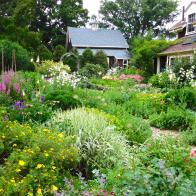
Drought conditions are intensifying across the country. From January to March, preciptation nationwide fell well below typical levels, meteorologists report. Meanwhile, scientists are monitoring a potential Super El Niño, a pattern that can bring hotter temperatures, erratic rainfall and longer dry stretches. Many gardeners are already feeling the effects of an early spring drought. This season calls for planning for extreme conditions, rather than reacting to issues as they arise. Taking action early—whether that’s improving soil, adjusting layout or rethinking plant choices—sets your garden up for success. Here's everything you need to know.
Why This Summer Could Be Tougher Than Usual

Shutterstock/Ekaterina Byuksel
A Super El Niño is a stronger-than-usual version of the climate pattern that warms waters in the Pacific Ocean and disrupts typical weather cycles. The result is often more heat, inconsistent rainfall and faster evaporation. For gardeners, that means soil dries out quickly before it gets hit with sudden downpours, creating a cycle that’s hard on plants.
Rethink Your Garden Layout

Getty/tanyss
As conditions shift, your garden layout becomes a powerful tool for managing both heat and moisture. Start by working with natural shade. Use fences, trellises, or taller crops like tomatoes and sunflowers to shield more delicate plants from intense afternoon sun. Before planting, think about hydrozoning, a method of grouping plants with similar watering needs. This approach allows you to water more efficiently and avoid over- or under-watering, which is especially important during a Super El Niño when rainfall can swing between heavy downpours and extended dry periods.
For a more manageable approach, consider scaling down. Compact, high-yield “snack gardens” focus on smaller planting areas filled with easy-to-harvest crops. They’re easier to water consistently and require fewer resources overall, making them a smart fit for unpredictable conditions.
Choose Plants That Can Handle Stress

Shuttertock/Gabriele Rohde
Plant selection can significantly reduce how much water and maintenance your garden needs. Focus on varieties that naturally thrive in heat. Herbs like rosemary, thyme, and oregano are well-adapted to dry conditions. Vegetables such as peppers, okra, and eggplant hold up amid summer temperatures, too. Heat-loving flowers like zinnias, lantana and cosmos offer long-lasting color without constant watering.
Another smart strategy is choosing crops with shorter maturity times. Fast-growing plants can be harvested before the most intense heat sets in. Legumes are especially useful, offering a quick turnaround while also improving soil by adding nitrogen.
Water Strategies That Actually Work

Shutterstock/Mariana Serdynska
Watering smarter—not more—is the key to navigating inconsistent conditions. Apply mulch early in the season to slow moisture loss, regulate soil temperature and keep roots from overheating. Once that foundation is in place, focus on how you water. Deep, thorough watering encourages roots to grow downward, making plants more tolerant of dry spells. Early morning is the best time to water, so moisture can soak in before the day heats up.
For even greater efficiency, drip irrigation or soaker hoses deliver water directly to the soil, reducing waste and evaporation. To extend your water supply, consider capturing rainwater with rain barrels or simple, gutter-fed collection processes. These low-effort systems allow you to store excess rainfall and reuse it when conditions turn dry.
Build Soil That Holds Moisture

Shutterstock/Vanessa Carson
Healthy soil does more than support plant growth; it helps regulate how water moves through your garden. Whether you garden in-ground or in containers, improving soil structure is one of the most effective ways to manage the rain–drought cycle. Adding compost regularly helps soil retain moisture while still draining properly, reducing the need for frequent watering and helping plants develop stronger root systems.
Raised beds drain quickly, which is helpful during heavy rain, but they also dry out faster during hot, dry stretches. To keep their soils healthy, mix in compost or other moisture-retaining materials before planting and aim to keep the soil consistently hydrated. In-ground beds tend to hold moisture longer, which can be an advantage in dry weather. However, heavy clay soil can struggle during wet periods and may compact when dry, making it harder for water to soak in later. Amending with organic matter improves both drainage and overall structure.
It’s also important to keep soil covered at all times. Bare soil loses moisture quickly and is more vulnerable to temperature swings. If you’re between plantings or taking a break from growing, cover crops are an easy, low-cost solution. Options like clover, rye, buckwheat and vetch can withstand harsh conditions and, when returned to the soil, improve its texture and add nutrients.
Small Changes That Make a Big Difference

Getty/Magalie L'Abbé
A few simple adjustments can go a long way during extreme weather. Use shade cloth to protect plants during heat waves and reduce sun stress. When done thoughtfully, planting more densely, as seen in the 5-4-3-2-1 method, can help shade the soil and slow evaporation.
Don’t forget your containers, either. These mobile gardens can also benefit from extra attention. Move them out of peak afternoon sun when possible, and group pots together to create small pockets of humidity that help prevent rapid drying.
Start Now Before the Heat Hits

Getty/Elvira Kashapova
By the time midsummer arrives, it’s often too late to make meaningful changes. These small shifts can help your garden stay productive, resilient and far easier to manage as heat intensifies.


