







How to Grow Columbine Flowers
Find out how to grow columbine, an easy-care perennial to feature in your garden.

Shutterstock/Randy Moore

Columbine, in the genus Aquilegia and the Ranunculaceae family is a species of 60 to 70 varieties of herbacious perennial plants that come in a variety of flower colors including red, orange, yellow, purple, white and bi-color. Known for its pretty spurred petals, columbine is also sometimes known as granny's bonnet or crowfoot.
Columbine's genus, Aquilegia derives from the Latin word for "eagle" and refers to the resemblance of the spurs beyond the central flower petals to an eagle's claw.
Why You Might Want to Try Columbine
One reason to grow columbine is its resilience and resistance to a number of garden pests in its preferred USDA Hardiness Zones 3 to 9.
These pretty flowers attract hummingbirds, butterflies and bees, and the plant is deer resistant and drought tolerant.
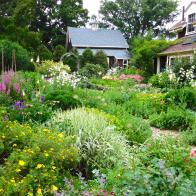
With its clumping habit and variety of colors, columbine works beautifully in beds and borders in the garden. Because it blooms in mid-spring, columbine makes a great filler plant between the early-spring flower bonanza and the main garden season.
Columbine's delicate blossoms are lovely in bouquets of cut flowers.
Tips for Using Columbine in the Garden


Growing Tips
Soil
Columbine prefers well-drained, not-too-dry soil to thrive.
Light
Columbine prefers full sun but in the South, intense sun can hurt the flowers, so partial shade is recommended.
Winter Care
Cut back foliage to the ground in fall. Mulch columbine plants in the winter to protect them from the elements.
Watering
Do not overwater columbine.
Starting From Seed
Columbine grows well from seed when sowed directly into the garden soil. Press the seed firmly into the soil and do not cover with soil. Sow seeds in early spring or midsummer. If grown from seed, plants will not flower until the second year.
If growing columbine from seeds indoors, sow seeds 6 to 8 weeks before the last expected frost. Set your seeds in a cool place until the seed leaves appear. Once leaves appear, place the seedlings in indirect sunlight and keep the plants moist but not drenched.
Gradually acclimate your seedlings to the garden by setting them outside for increasing amounts of time each day beginning with one hour and then increasing an hour each day for four days.
Growing From Plants
Plant columbine in early spring or midsummer. Plant with the plant's crown at soil level and dig a hole roughly double the diameter of the container. Water plants thoroughly until they are well established. Columbine will also create additional volunteer plants if allowed to self-seed.
Spacing
Space plants or seeds at a 1' to 2' distance.
Fertilizing
A water-soluble fertilizer applied monthly is appropriate to keep flowers bright and foliage sturdy.
Pests
Leaf miners are an occasional problem for columbine but can usually be eradicated by treating plants with neem oil.
Disease
Columbine can be affected by powdery mildew. If powdery mildew is found, remove all diseased plants and do not compost. Treat remaining plants with a fungicide.
Deadheading
Extend bloom life by deadheading faded blooms.
Additional Columbine Facts
- Native Americans used the crushed roots and seeds of the columbine plant in a variety of medicines.
- Columbine is native to the northeastern United States and Canada.
Varieties to Try
'Eastern' or 'wild red': This native, woodland plant has unique elongated tubes inside the flowers.
'Rocky Mountain' or 'Colorado blue': The large flowers of this multi-color columbine feature white petals and violet-blue sepals and yellow stamens.
'Swan' series: These bi-color varieties bring color variation to the garden and are excellent for cutting.


