How to Identify Mold vs. Mildew
Mold and mildew are definitely fungus brothers, but they do have a few striking differences. Learn how to identify mold and mildew and how to get rid of them.
Mold and mildew are definitely fungus brothers, but they have many distinct differences both in appearance and in how they affect your life and home. In an ideal world, you’ll be able to prevent mold by proactively monitoring and taking steps to keep your spaces free of moisture and humidity, but when the unexpected happens, you also need to be prepared to manage and mitigate mold before it leads to an infestation or illness.

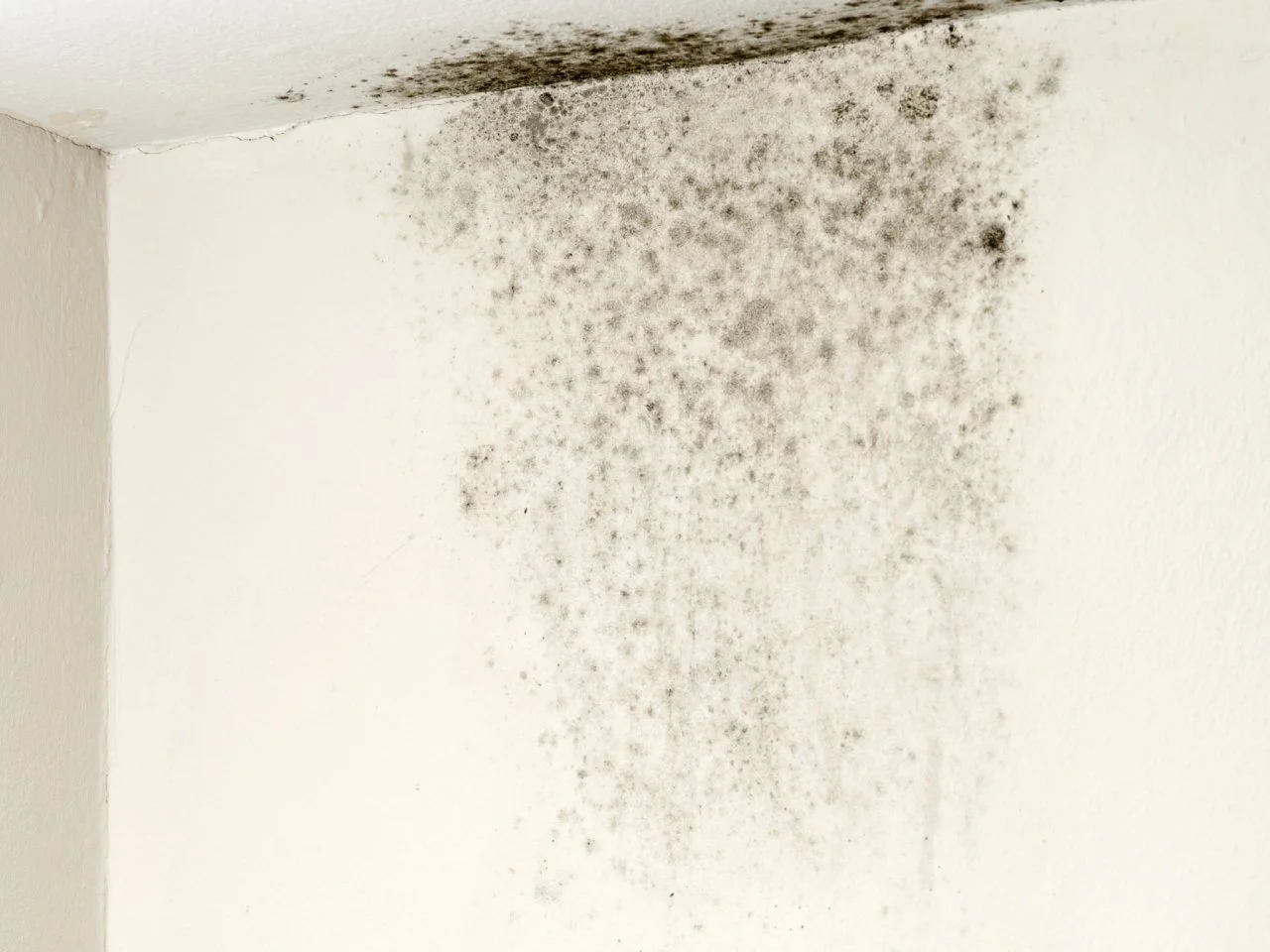
©iStockphoto.com/onebluelight
Wondering what black mold looks like? Learn the difference between mold and mildew, and how to identify black mold infestations like this one.
Similarities and Differences Between Mold and Mildew
Many confuse mold and mildew, which is not surprising — they have more than a few things in common:
- Both are types of fungi that no homeowner likes to see in his or her home.
- Both are keen on forming in moist, warm areas.
- Both can grow on a multitude of surfaces, from food to your shower to regular ol' paper.
- Both can lead to illness, and even severe illness for those with underlying respiratory issues.

Shutterstock / FotoDuets
Mold is visible behind a door, likely due to water damage from a faulty door seal.
However, mold and mildew also have striking differences. They vary when it comes to size, color and texture. Learning to identify what mold and mildew look like is the first step to managing an infestation.
- Mildew is a surface fungi identified as a patch of gray or white fungus lying on the surface of a moist area. Mildew is easily treated with a store-bought cleaner and a scrubbing brush.
- Mold can have colors that range from black to green and is often the result of a much larger infestation. This type of fungus can appear "fuzzy," especially when it is found on food. It can even present as slimy. Allergies, wheezing, irritated eyes, headaches and even lung issues may result from toxic mold breeding within a home.
Managing mold and mildew in your home is critical. Not only is it important to watch for signs of mold (especially if you have had recent water damage) but it’s also important to remove it completely to avoid it spreading.
Treating it accordingly will safeguard your home from permanent damage and keep you from doing the tango with nasty fungi in the future.
How to Identify Mold and Mildew
Learning how to distinguish between mold and mildew is important, even if you inadvertently use the terms interchangeably.
Mildew is a specific type of mold that develops on the surface of damp walls, doors, shower grouting and similar areas. It appears as small, flat black spots and occasionally has a powdery texture.
The term mold is broader as it is intended to encompass multiple mold species. Homeowners might find it manifesting in a range of colors such as green, black and even red. Unlike mildew, mold might have a slimy texture. A surface cleaning isn’t usually enough to combat mold spores.

Shutterstock / Kwangmoozaa
Water damage on a wall below a window can lead to mold growth inside the wall.
While mildew can be easily scrubbed away using a cleaning brush and store-bought mold killer, different types of mold are usually more resistant to cleaning products. Mold spores can take hold and spread and require homeowners to take on additional cleaning efforts or seek professional mold remediation for complete removal.
What Does Black Mold Look Like?
Common black mold (Cladosporium) presents as small black spots in ordinary spaces. It can grow inside and outside of the home, and it's far less harmful than toxic black mold. Non-toxic black mold is easier to clean and less musty, but it can still trigger allergic reactions in people with sensitivities.
The black mold you'll mostly hear talked about is (Stachybotrys chartarum), which can make you sick if you have mold allergies. If you have a weakened (compromised) immune system, it can cause fungal infections in your airways or other parts of your body. Cleveland Clinic has a thorough brief on black mold and its effects.
What Does Mold on Clothes Look Like?
If you have mildew or mold on your clothing, it often presents as white or greenish-black discolorations that are visible. If you don’t see it visibly, you might notice its strong smell. These spores grow when clothes are exposed to dampness for a prolonged period, such as if you left your gym clothes in a sealed bag overnight or forgot to promptly switch the laundry from the washer to the dryer.

Shutterstock / Vrlibs studio
This shirt has black mold visible on the collar.
Fortunately, since clothing fibers are usually washable, you can clean the garments by running them through the laundry cycle again — an extra-long presoak helps.
Harmful Effects of Mold and Mildew
Both mold and mildew are harmful to one’s health and to the entire surroundings. Some of the most dangerous effects include:
- Health issues: Individuals with certain sensitivities, allergies or respiratory conditions may experience symptoms like coughing, wheezing, nasal congestion and throat irritation. It can also trigger allergic reactions in the form of skin irritation such as rashes or hives, nosebleeds and migraines. In more severe cases, mold can even lead to respiratory infections or mycotoxin poisoning. Here's what the Center's for Disease Control and Prevention says about the health effects of mold.
- Structural damage: Mold and mildew growth can cause structural damage over time. If left untreated, spores can thrive in damp and humid conditions. It spreads rapidly and can even permanently damage building materials. Once a building’s structural wood walls and drywall are compromised, repairs are costly and, unfortunately, not always achievable. Extensive renovations and demolition are often required to eliminate the most extreme mold infestations.
- Odor and aesthetic issues: Mold and mildew can produce a musty odor that can be challenging to eliminate. To effectively remove smells, you must treat the underlying mold problem to prevent the mold from continuing to grow and spread. Visible mold is also unsightly and can damage fibers and surfaces, leading to stains and difficult repairs.

Shutterstock / Cynthia Farmer
Water damage beneath a window leads to drywall damage and mold growth.
How to Prevent Mildew and Mold
The easiest way to prevent mildew and mold is to prevent an issue early, but being aware of signs of growth is also important. If you’re not sure if you have had water damage, these may be some of the signs:
- Musty odor: Your spaces and belongings might start to smell.
- Visible mold: You might start seeing mold throughout your home in unexpected spots, such as on your baseboard or beneath a windowsill.
- Immune system responses: You might have sudden allergic reactions or incur a long-term illness.
- Warping and discoloration: Mold will begin to rot and deteriorate materials as it takes hold. Take note of changes in your environment such as warping floorboards, stained drywall or rippled carpets.

Shutterstock / Ursula Page
Here you can see mildew growing on a plastic shower curtain.
Remain ever-vigilant. If you live in a humid area or lack dehumidifying systems, growth can happen suddenly without much warning. Be proactive and deter common mold:
- Use fans and vents. They help to circulate air, especially in the bathroom when the shower is in use.
- Run dehumidifiers in moist spaces. Aim to keep your home’s humidity below 50%.
- Don't ignore the laundry. Be prompt about switching garments and towels from the washer to the dryer. You can also line-dry your clothing; the sun will help kill mold.
- Keep your washing machine door propped open after its cycle until it’s dry.
- Monitor for unexpected changes in water pressure. A sudden change might just be signaling leaks behind a wall.
- Watch for leaks. Check for pipe leaks in your basement, if accessible. Finished basement? Watch out for water stains on your ceiling.
If you experience water damage, such as from a broken dishwasher or a burst pipe, keep in mind that mold growth can be most significant within the first 24–72 hours. If you need to know how to get rid of house mold after water damage, start mold remediation efforts yourself:
- Vacuum and absorb standing water and dry excess moisture.
- Remove wet items, such as loose area rugs or furniture.
- Spray floors and wall surfaces with a disinfectant, like bleach to mitigate spore growth.
- Run fans and dehumidifiers to circulate air.
- Use a vacuum to absorb moisture from wall-to-wall carpeting.





.jpg.rend.hgtvcom.231.174.85.suffix/1738869872256.webp)