




How to Save a Drowning Plant
Been giving your houseplants too much TLC? Learn how to rescue overwatered plants.


Gardener’s Supply Company/gardeners.com
One of the top reasons houseplants die is due to overwatering. Plant roots need oxygen to function. When soil becomes waterlogged, plant roots can’t breathe — they literally drown. The good news is that it’s easy to adjust your watering technique to give your plants (and their roots!) a little breathing room. Here’s what you need to know about saving a drowning plant.

The Flower Council of Holland/thejoyofplants.co.uk
Signs of Health
When plants are healthy, you’ll see new leaves and stems. If you slipped the plant out of its pot, you’d see healthy roots, which are white and somewhat crisp. The soil has a nice wet smell, similar to your garden after a gentle spring rain.

Julie Martens Forney
Signs of Overwatering
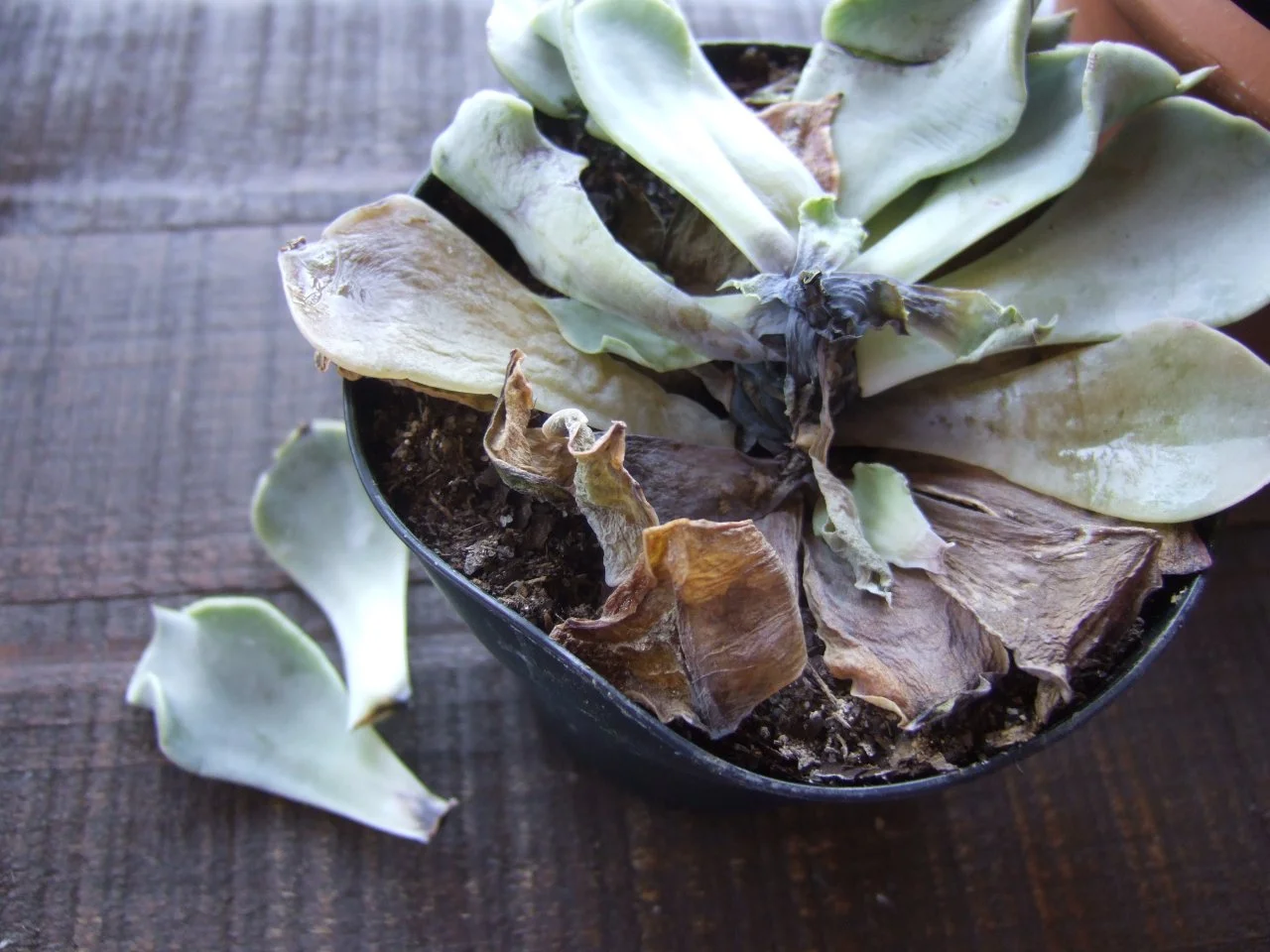
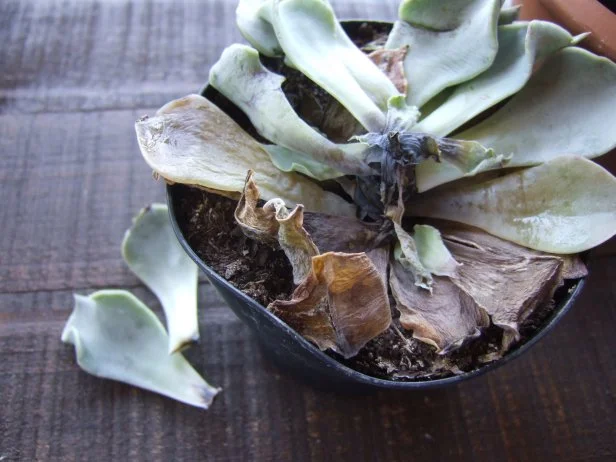
When a plant is first becoming overwatered, leaves turn yellow. If soil doesn’t have a chance to dry out before you water again, leaves start to wilt. When overwatering is the problem, wilted leaves are soft and limp. (If too little water is the issue, wilted leaves are dry and crispy.)
Wilting occurs because as water fills the air pockets in soil, roots start to die and disease sets in. Damaged roots can’t absorb water, so leaves start to wilt. It’s natural to want to water at this point. After all, wilting leaves need water, right? If you water without checking the soil, you’ll quickly push your plant into a full-on drowning situation.
Julie Martens Forney
When roots are so damaged that they can’t absorb water, leaves become floppy and possibly water-soaked. You may even spot mold along plant stems. If you slide an overwatered plant out of the pot, the soil usually has a sour smell, similar to sewer gas. Roots will be dark; you might not be able to distinguish them from surrounding soil. Water will likely drip from the soil, and if you squeezed it, water would run from it like a sopping wet sponge.

Julie Martens Forney
Steps To Save A Drowning Plant
- Stop watering. It’s obvious, but don’t give your plant any more water, no matter how much it wilts.
- Move it. If your plant is in a bright window, move it to spot with less light. In bright light, a plant needs more water because it’s actively growing. If plant roots can’t absorb water, the plant may enter a death spiral because its roots can’t support the leaves.
- Double-check drainage. All pots need drainage holes to let excess water escape. Having no drainage holes is the ideal set-up for overwatering indoor plants. If you need to add drainage holes to your pot at this point, do it over a pan or sink because water will likely come pouring out the minute you create an exit.
- Add air. A drowning houseplant needs air in the root zone. Tilting the pot or rolling it gently can help shake up the soil (so to speak) and create needed air pockets.
- Repot. If the plant isn’t too big to handle, try repotting. Remove it from the existing pot, and shake away all excess soil. You could even use a gentle spray to wash soil from roots. Cut away any damaged roots. If they’re really rotten, they’ll pull away with the soil. Add fresh soil. Use a commercial mix that has chunky bark pieces, or add some pine bark from bagged orchid mix to create air pockets in the soil.
- Mist wilted leaves. Use a spray bottle to mist wilted leaves daily to help prevent further leaf damage.
- Water when dry. Do not water until the soil surface is dry to the touch. It’s even better to wait until it’s dry one to two knuckles deep on your index finger (yes, shove it into the soil).
- Give it a week. Usually within a week to 10 days you’ll start to see signs of recovery. Don’t fertilize until you see consistent new growth.
How To Water Properly
Water only when soil is dry to the touch. Check it with your finger before pouring on water, or go high-tech and use a soil moisture meter. Water until a little trickles out the drainage holes — then stop. You don’t want plants sitting in a layer of water for hours on end. Never let plants sit in water overnight.
Quick Fixes For Overwaterers
If you tend to kill your plants with kindness, there’s still hope. Try a few of these tricks to prevent overwatering.
-
Swap drown-prone plants for water-loving ones. Even terrific gardeners can have an Achilles’ heel houseplant — one they consistently kill with overwatering. If that’s you, trade the plant you overwater for one that loves water. Look for small papyrus plants, Cyperus (rush), elephant’s ear (Alocasia) or sweet flag (Acorus).
-
Use a light potting mix. Add pine bark or perlite to standard potting mixes to make soil coarse and full of air pockets. Do not use potting blends labeled as moisture control. They will not prevent overwatering, especially with indoor plants.
-
Choose clay pots. Terra-cotta containers breathe through their sides, which helps the soil to dry.
-
Add drainage holes. It won’t hurt to add drainage holes to pots. Or simply start with pots that have plenty of drainage. Consider adding a layer of pea gravel or terra-cotta pebbles to the bottom of pots (ones that already have drainage holes) to create an extra air pocket. Make the layer equal to roughly one-quarter to one-third the height of the pot (less for small pots, more for big ones). Roots that invade this layer have access to air.
-
Repot regularly. Old potting soil tends to compress over time as organic matter breaks down. Replacing soil by repotting improves airflow to roots.