

Should You Use Pasta Water on Plants?
Social media sites are buzzing about using pasta water on your plants. Is this a gardening hack or a hoax?
Bogdan Sonjachnyj
Learn the facts on whether pasta water is beneficial to plants.

It sounds like something you'd have to fact-check. Can using leftover water from boiling pasta be good for your plants?
Some gardeners say it is. Think of it this way: Savvy cooks don't pour the leftover water from boiling vegetables down the sink. They know water-soluble nutrients like vitamins B and C leach out of veggies while they're cooking, and the water can be used to enrich sauces, soups and stocks.
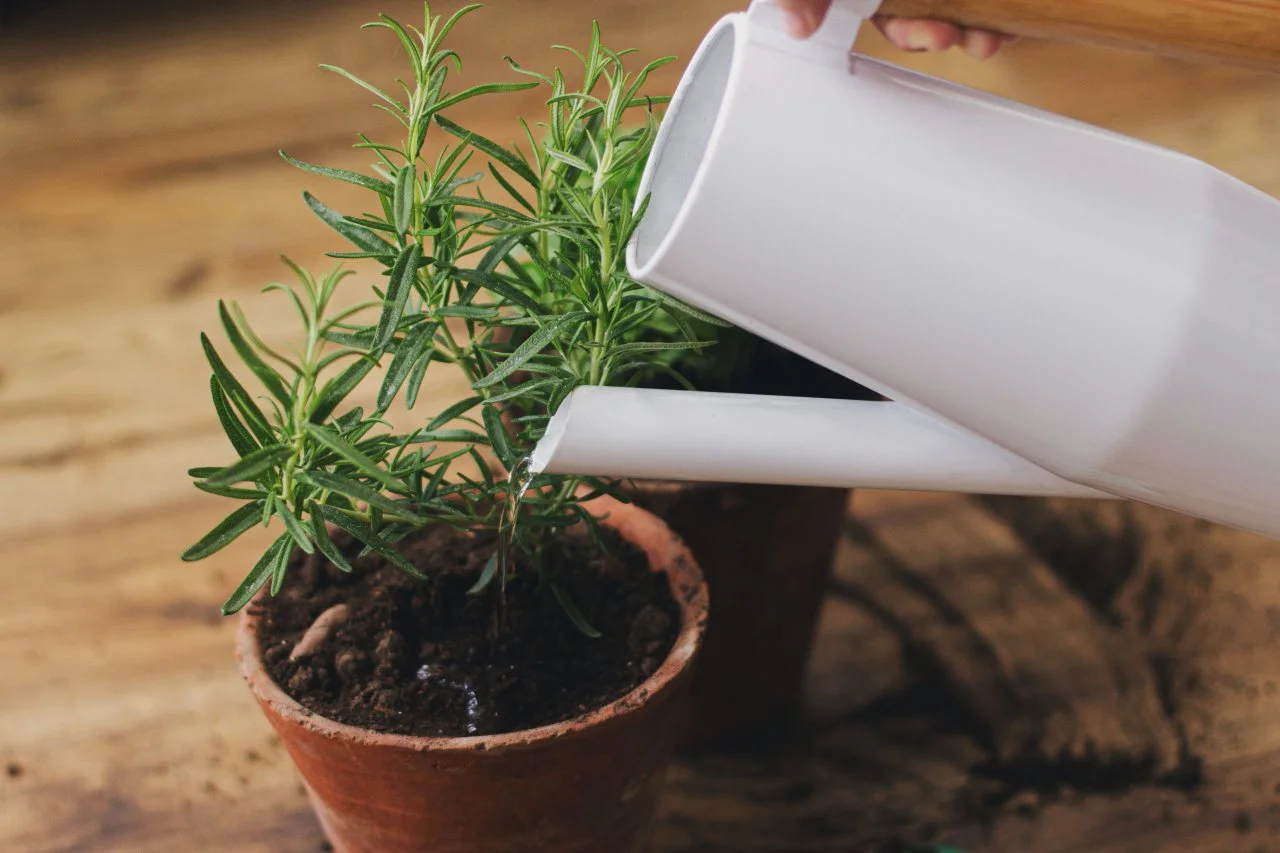
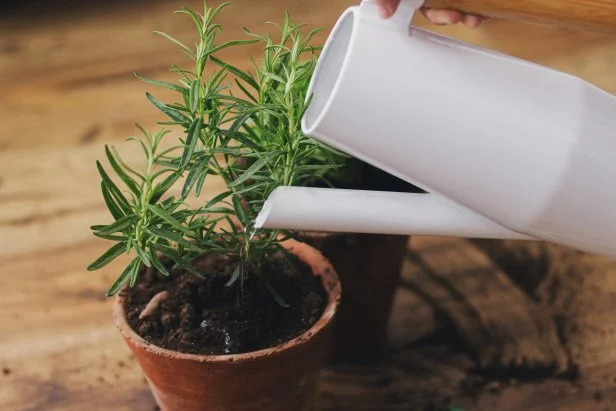
That's the same basic idea for using pasta water on plants, a gardening hack that's trending on TikTok, Instagram and other social media sites. Instead of dumping the hot pasta water down the drain, let it cool thoroughly, remove any bits of pasta floating around in it and use it on your thirsty plants.
Does This Really Work?
This pasta-water hack is making the rounds on social media.
"Watering your plants with room-temperature pasta water is a good way to save water as long as the water isn’t salted," says Rebecca Sears, Ferry-Morse's CMO and Resident Green Thumb, because salty water can dehydrate and kill them. Don't use leftover pasta water that has oil or other seasonings in it, either. Use organic pasta to be sure you're not introducing any preservatives or other chemicals into the water.
Using leftover pasta water is environmentally friendly, but does it feed your plants? Some gardeners believe the starch in the cooled water — and in the cooled water used to boil rice — does nourish them. According to the USDA, cooked, unenriched, unsalted pasta is a source of trace amounts of calcium, zinc, iron, phosphorus and potassium, among other substances. Pasta water may also provide carbohydrates that encourage the growth of beneficial bacteria and fungi like mycorrhizal in the soil. For those reasons, Barilla, an international Italian food company that makes pasta, recommends this gardening hack.
Just be aware that not all gardeners and horticulturists agree with the pasta-water tip. Some warn that using it on your plants can promote the growth of undesirable bacteria and lead to mold. "Pasta water doesn't aid growth any more than tap water, but it's a great way to conserve resources," Rebecca says.
There's one thing almost everyone agrees on: Pasta water isn't a substitute for plant food. Plants should still be fed with a good-quality plant fertilizer as directed on the product label.

If you do use pasta water on your plants, keep an eye on them to see how they respond, and stop using it if you see any undesirable effects. While the starch in the water probably won't cause any harm, overwatering can, even with regular water, if you're growing succulents, cacti or other plants that don't need much water.
One More Tip ...
When you water, pour out any excess that collects in the saucers or trays under your plants. Standing water can cause their roots to rot and we don't have a hack to fix that.
More Advice

What About Coffee in the Garden?
Learn the facts about giving your garden a caffeine fix.
Do Epsom Salts Work on Plants?
Learn when Epsom salt can help plants thrive.