How to Prune Lilacs
Prune lilacs as soon as the flowers fade to encourage lots of beautiful blooms next year.


Timothy D. Wood, Proven Winners
Syringa Scentara Pura Lilac
Lilacs add color to spring gardens, and their long wands of beautiful flowers fill the air with perfume.
The key to success with these perennial shrubs, says Monrovia spokesperson Georgia Clay, is knowing that they bloom on old wood. “A lot of gardeners prune their lilacs (Syringa vulgaris) in winter, but if you do that, you’ll prune off all the buds that would flower the next spring.”
While it’s not absolutely necessary to cut back your plants, Clay says, you can prune as often as every year if you want. “Just wait until the flowers have finished. This applies to all types of lilacs.” Don't cut back more than one-third of your bushes at once, or it could take several years for them to recover and bear more flowers.

Doreen Wynja/Monrovia.com
Sensation Lilac
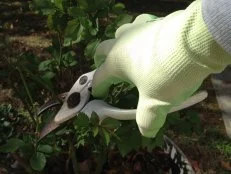
So, why prune lilacs at all? You can prune them for maintenance, which is like deadheading other types of flowers, Clay explains. Snip off the dead blooms instead of breaking or snapping them off, which can damage the branch. “Pruning for maintenance stimulates new growth and makes your plants bushier. Younger shoots will give you more blooms.” This also gives you a chance to shape your bushes, especially if they’ve been growing for a while and have “wild arms,” or overgrown branches, sticking out.
“If your plant has been neglected for some time, prune it slowly over a few years. You could be bold and cut the whole thing down to about one foot from the ground to stimulate new growth, but you won’t have any flowers for a while.” The plant will also go through an ugly phase while it recovers.

18 Lilac Varieties 18 Photos
Fall in love with lilacs all over again. Their fragrance, flower power and sheer variety are tough to beat.
Removing some stems from the center of your lilac bushes will help improve air circulation. This can discourage diseases like powdery mildew from taking hold, especially during wet or humid weather. Thinning out the center also lets more sunlight reach the leaves so they’ll produce more blooms.
In early spring, or as soon as your plants have finished flowering, use a pruning saw to cut down one-third of the bush. Cut the oldest and thickest stems about 6 to 8 inches above the ground. The lilacs will produce some new wood the following year.
After the blooms finish in the second year, prune again by one-third. Wait until the blooms fade in the third year after you started pruning, and then take out the remaining parts of the old bushes. You’ll get an entirely new lilac growing on old, strong roots.

Todd Michael Johnson, Proven Winners
Bloomerang Purple Syringa Lilac
More Lilac Tips
- If you love lilacs but don’t want to do a lot of pruning, plant dwarf varieties. You may still need to do some trimming, as they can to 5 feet tall.
- In the spring, remove any crossed branches that will rub up against each other so wounds won’t open and let diseases into the wood.
- No flowers? If you pruned properly, the problem may be that your plant isn’t getting enough sun
- It’s a good idea to use sterile, clean pruning tools, especially when you’re removing diseased wood. This helps avoid spreading diseases from one plant to another.
- Clay says if you’ve recently planted your lilacs and you’re just doing maintenance, regular pruners are fine. Loppers are good for larger plants. “For big, old lilacs, break out your pruning saw.”
- Keep your tools sharp, so you make clean cuts without tearing the wood.

How to Plant and Care for Lilacs
Learn why the old-fashioned lilacs are now popular among modern-day gardeners.