

Designing Perennial Combinations


Preen.com
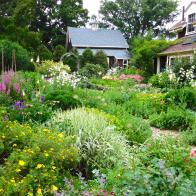
Blending perennials in the garden can seem daunting and uncertain. Juggling various plant characteristics, like bloom time, plant height, light needs, flower color and leaf texture can be overwhelming. The easiest way to design a beautiful perennial garden is to break up the entire bed into smaller planting areas. Focus on developing several plant combinations, and lean on tried and true design tips to tie everything together.
Start by determining the first priority: the growing conditions. Are you designing for full sun, part shade or full shade? You can adjust soil as needed, but light level is mostly beyond your control. Also consider if you have a color you know you want to use. Some gardeners favor yellow and red shades, while many prefer a pastel blue-pink palette.
To incorporate color using flowers, it’s vital to remember that many perennials, unlike annuals, tend to flower for shorter windows. Design plant combinations so that you’ll have plants in bloom throughout the growing season, instead of a quiet spring, flowery summer and plain-jane fall.
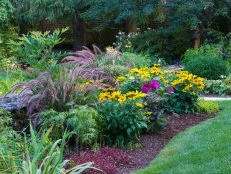
Include a few flower powerhouses to sound a steady note of color all season long. Good candidates include black-eyed susan (Rudbeckia fulgida), anise hyssop (Agastache foeniculum), autumn-flowering sedums (Sedum ‘Autumn Joy’) or repeat blooming daylilies, like Happy Returns. Repeat these bloomers throughout your landscape as a unifying thread.
Reliable sun perennials include butterfly weed (Asclepias tuberosa), purple coneflower (Echinacea purpurea) and blanketflower (Gaillardia aristata). These plants form a happy trio that flowers strongly from summer to frost. Position the butterfly weed in back of the combination, because it’s the tallest. Then step down to coneflower and blanketflower. Consider adding an edging perennial like a variegated low-growing sedum or spring-blooming candytuft (Iberis sempervirens) to complete the combination.
Flower colors in this combination offer quite a few variations but do tend toward bright, bold hues. Study plant names online before purchasing to ensure you get the color you want. These plants mostly have a medium texture and would pair well with a taller ornamental grass or fine-textured shrub like a dark-leaf ninebark (Physocarpus opulifolius ‘Diablo’) or Black Lace elderberry (Sambucus nigra).
For a shade combination that provides knock-out staying power, plant yellow corydalis (Corydalis lutea) backed with astilbe, variegated Solomon’s seal (Polygonatum odoratum) and hosta. In shady spots, monkshood (Aconitum napellus) and toad lily (Tricyrtis hirta) both provide strong fall color.
Add flowering bulbs to perennial combinations to pump up spring or summer color. Traditional bulb bloomers like tulips, daffodils and hyacinths stage strong spring color. In summer, rely on lilies and allium to inject pretty blooms. Martagon lilies add late-season color that welcomes fall.
Count on plants with white or silver tones to bridge gaps between combinations. If possible, use the same plant repeatedly throughout a planting area to unify the different perennial groupings. Good bridge plants include silvery lavender (Lavandula spp.), artemisia, Russian sage (Perovskia atriplicifolia), Shasta daisies (Leucanthemum x superbum) or white variegated grasses or sedges.