





Lantana Care: Growing and Pruning Lantana Flower
Add easy-care beauty to your yard by growing lantana—you won’t be disappointed.

Felicia Feaster
Lantana flowers frequently showcase multiple hues, creating a kaleidoscope of color. BallSeed Bloomify's Lantana Mango has lovely sherbert-y colors.

Discover what real flower power is by growing lantana. This low-maintenance bloomer opens blossoms steadily during the growing season — and year-round in warmest areas. Lantana care is easy no matter where you garden. Even in regions where lantana is evergreen, growing lantana is a snap. The most important chore is pruning lantana, and that’s not a difficult undertaking.
Lantana flowers feature a remarkable trait: Each blossom head frequently showcases multiple hues, creating a kaleidoscope of color. Lantana flowers measure 1 to 2 inches across and are comprised of numerous smaller blooms arranged in a sphere. Blossom shades vary, including lavender, orange, red, rose, pink, gold and white.
How to Grow & Care for Lantana Flowers
Northern gardeners typically grow lantana as a seasonal annual. Growing lantana is a year-round proposition in Zone 10, with Zone 9 plants faring roughly the same. The only time growth grinds to a halt in Zone 9 is when temperatures dip to 28°F, which kills plants to the ground. Roots remain alive, though, and send up shoots in spring. The pattern of winter kill followed by sprouting from soil also occurs in Zone 8 with most lantana species. In all other zones with killing frosts and frigid winters, lantana care hinges on treating plants as annuals.
Regardless of where you garden, site lantana in full sun for best flowering. Plants can grow in part shade locations, but flower number will drop and plants do become more susceptible to diseases and certain insects. Growing lantana doesn’t require intense soil prep prior to planting. These steady bloomers grow in any well-drained soil, including sandy ones. In containers, it’s a good idea to use a commercial soil-less mix developed for container use.
Lantana care is pretty simple. Water newly planted lantana regularly to ensure healthy root development. While established plants are drought tolerant, they stage the best show when they receive roughly one inch of water per week, either through rainfall or irrigation. Regular watering fuels steady growth and full-size flowers in greater numbers.
Pruning Lantana
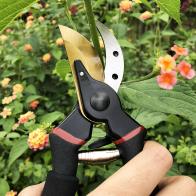
Tackle pruning lantana several times throughout the growing season. In regions where lantana is winter hardy, shearing plants lightly following flowering promotes stem branching and a future flush of flowers. Prune plants at any time they outgrow their growing space. You can safely remove up to one-third of a lantana plant’s overall size at any one pruning.
In areas where lantana is winter hardy but dies to the ground, pruning lantana stems in spring is vital to maintaining plant health. Cut stems back to 6 or 12 inches tall. After pruning lantana, water and fertilize to encourage new growth. When stems show 6 inches of new growth, remove the tips to promote branching, which leads to more flowers.
If lantana forms black berries, part of your lantana care routine should be removing them before they mature. Pruning lantana after a strong flush of flowering prevents berries from forming on non-sterile plants. This is especially important if you’re growing Lantana camara or other invasive types. Some states that consider lantana invasive are Hawaii, Florida, Texas, Arizona and South Carolina.
How Use Lantana in the Garden
Include lantana in a butterfly garden for its nectar-laden blooms, and use it in plantings that feature deer- and rabbit-resistant plants. Lantana leaves are sandpapery and have a strong odor that critters dislike. Leaves have been shown to make pets and livestock ill when consumed.
Some species of lantana are invasive and have escaped home gardens to populate natural landscapes. Lantana camara or common lantana has strong invasive tendencies. As mentioned earlier, if you grow a lantana plant that produces black berries and you live in Zones 8 to 10, it’s a good idea to remove spent flowers from plants to prevent berry formation. You can do this easily by lighting pruning lantana after flowering.
Trailing lantana (Lantana montevidensis) opens lavender flowers with yellow throats. It has trailing stems that spread up to five feet—and more. Many homeowners use this lantana plant as a ground cover or planted atop retaining walls where stems can trail gracefully. Also known as purple lantana, this species is a good choice for erosion control on slopes.
In regions where lantana isn’t winter hardy, treat it as an annual. Many lantana hybrids exist with a variety of flower colors and plant sizes. Some lantana plants are bred to stay short and stocky; others tend to branch more freely. Check pot tags carefully to make sure you’re buying the kind of lantana you want.
Lantana adds strong color to container gardens filled with a commercial soil-less mix developed for container use. In pots, lantana plants need regular watering due to the confined quarters. Use a bloom booster fertilizer to encourage strong flowering.


