How to Grow Pachysandra
Meet one of the best groundcovers for shade that delivers evergreen color year round.
John Walker for JW-Pachysandra.com

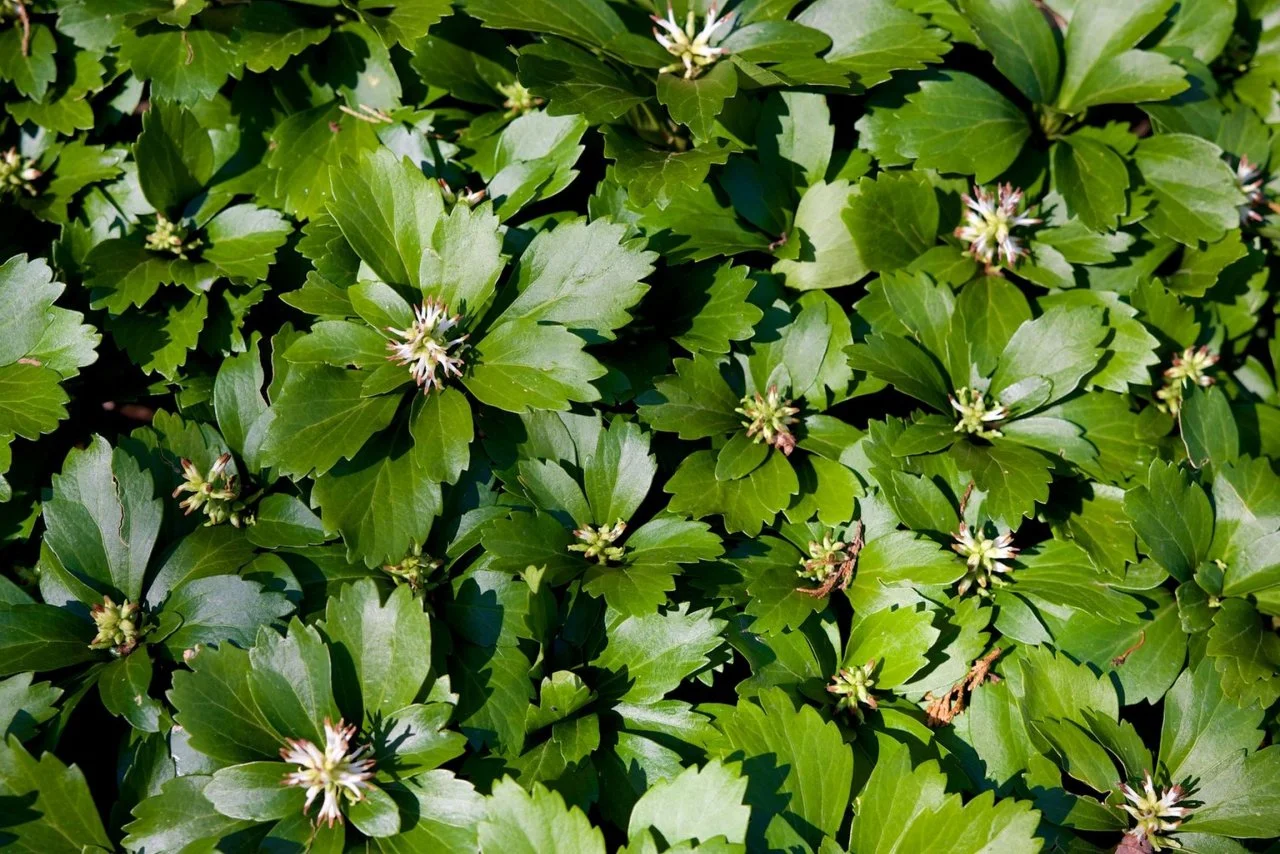
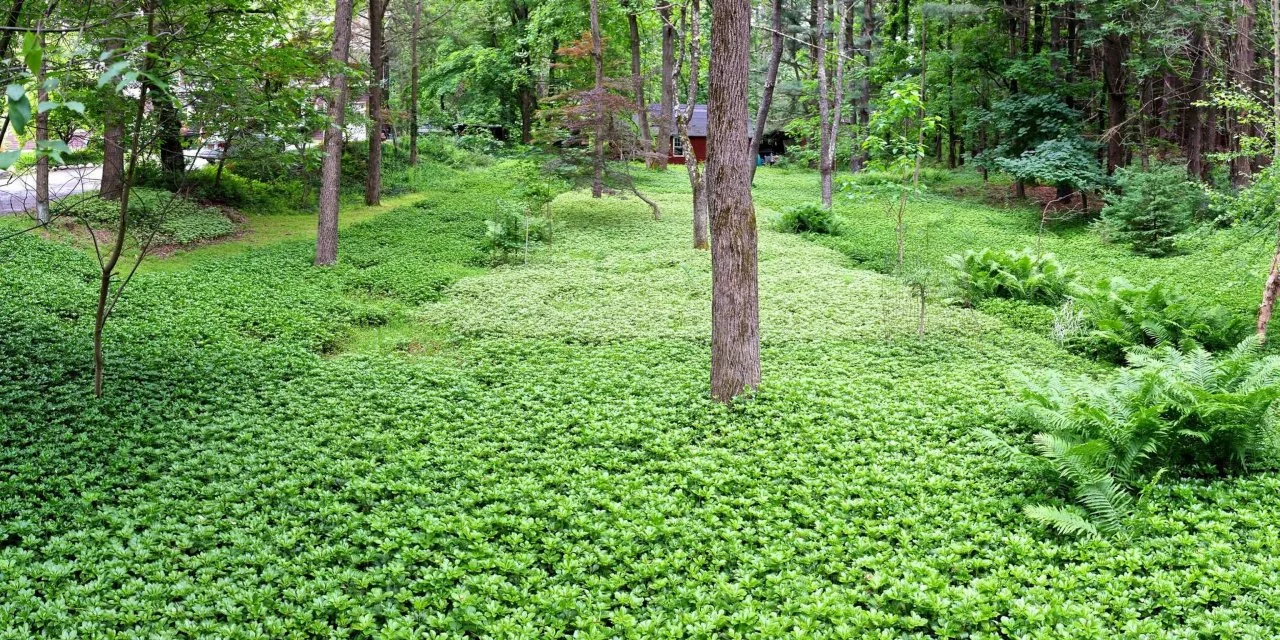
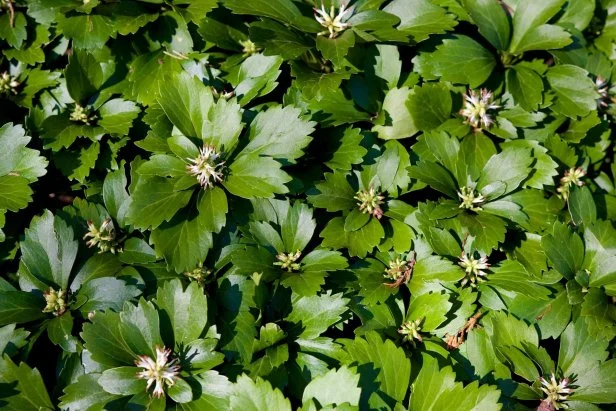
For shady spots where grass won’t grow, count on Japanese pachysandra (Pachysandra terminalis) to provide the green carpet you crave. This perennial evergreen thrives in deep or light shade. It adapts readily to island beds with shrubs, dry shade beneath trees or planting areas near buildings. Because stems spread to form a colony, pachysandra has the added benefit of preventing soil erosion on shady slopes.
John Walker for JW-Pachysandra.com
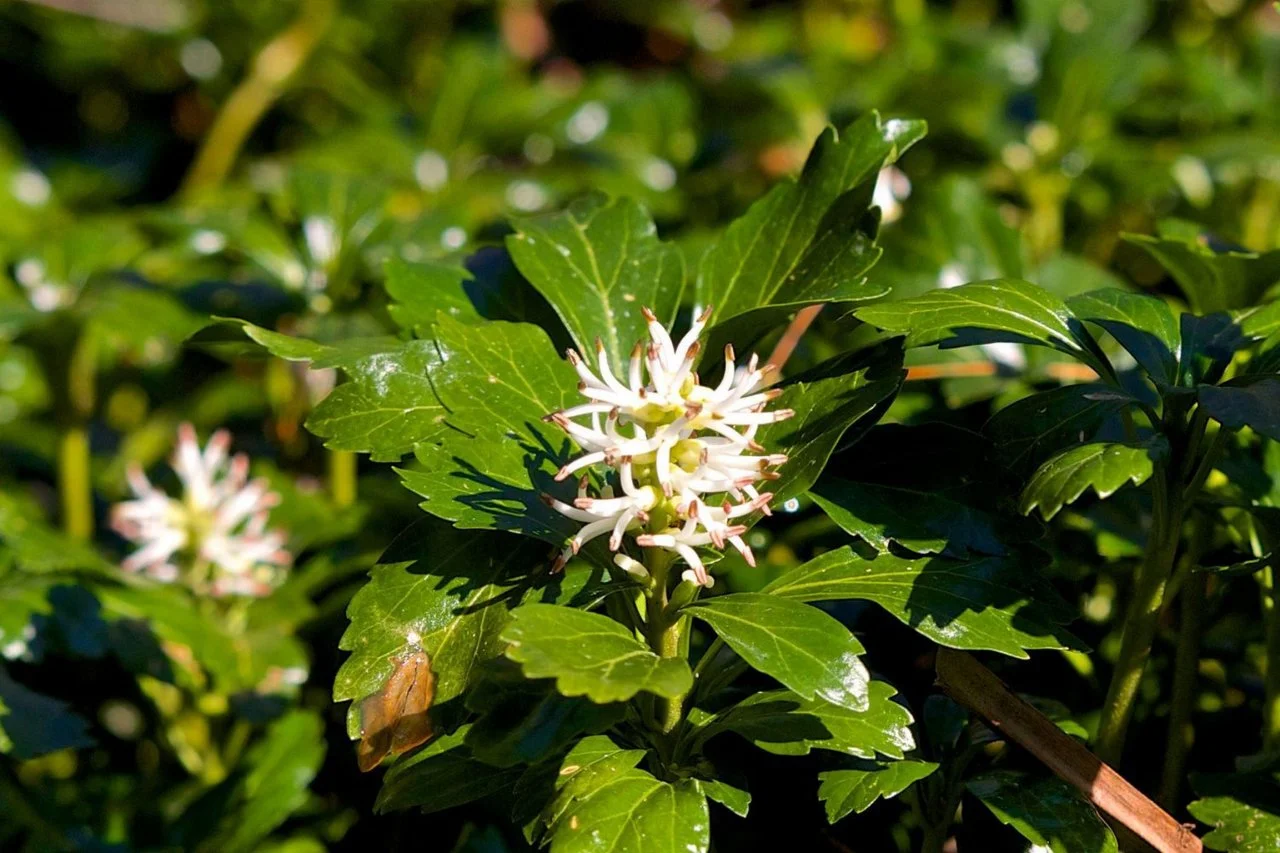
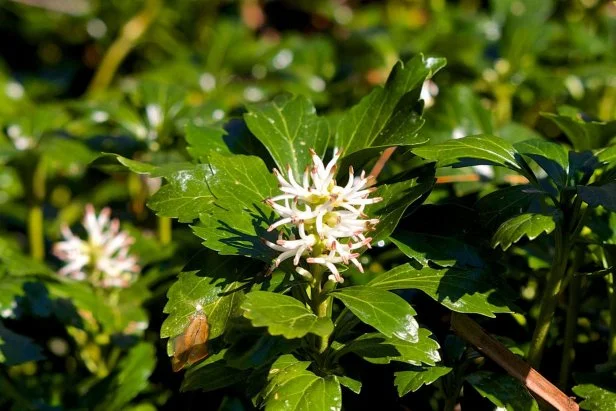
Japanese pachysandra blossoms in spring, opening small, fragrant blooms, but you won’t plant it for the flowers. This plant earns its keep with leaves that blanket the ground in a quilt of green. Once established, it’s a low-maintenance groundcover that’s hardy in Zones 4 to 9.
John Walker for JW-Pachysandra.com
Terrific Planting Partners
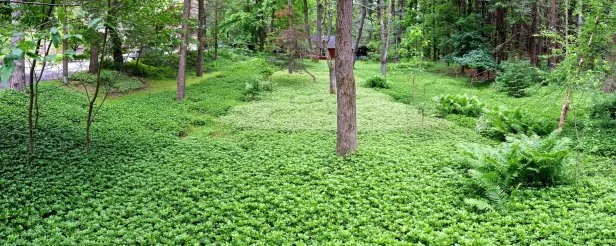
The most natural plant pairing for pachysandra is a tree — deciduous (such as maple, beech, oak) or evergreen (pine, spruce, fir, for example). High-limbed trees that cast light, sun-dappled shade provide an ideal environment for pachysandra to thrive.
Pachysandra easily holds its own in the landscape, but you can increase its visual impact by pairing it with plants that complement it texturally. Create contrast by planting it with solid-leaf plants, like hosta, European ginger, brunnera or Lenten rose. Or let pachysandra fill the coarse texture role by skirting it with lacy-leaf plants, like ferns, variegated snow-in-summer or sweet woodruff.
John Walker for JW-Pachysandra.com
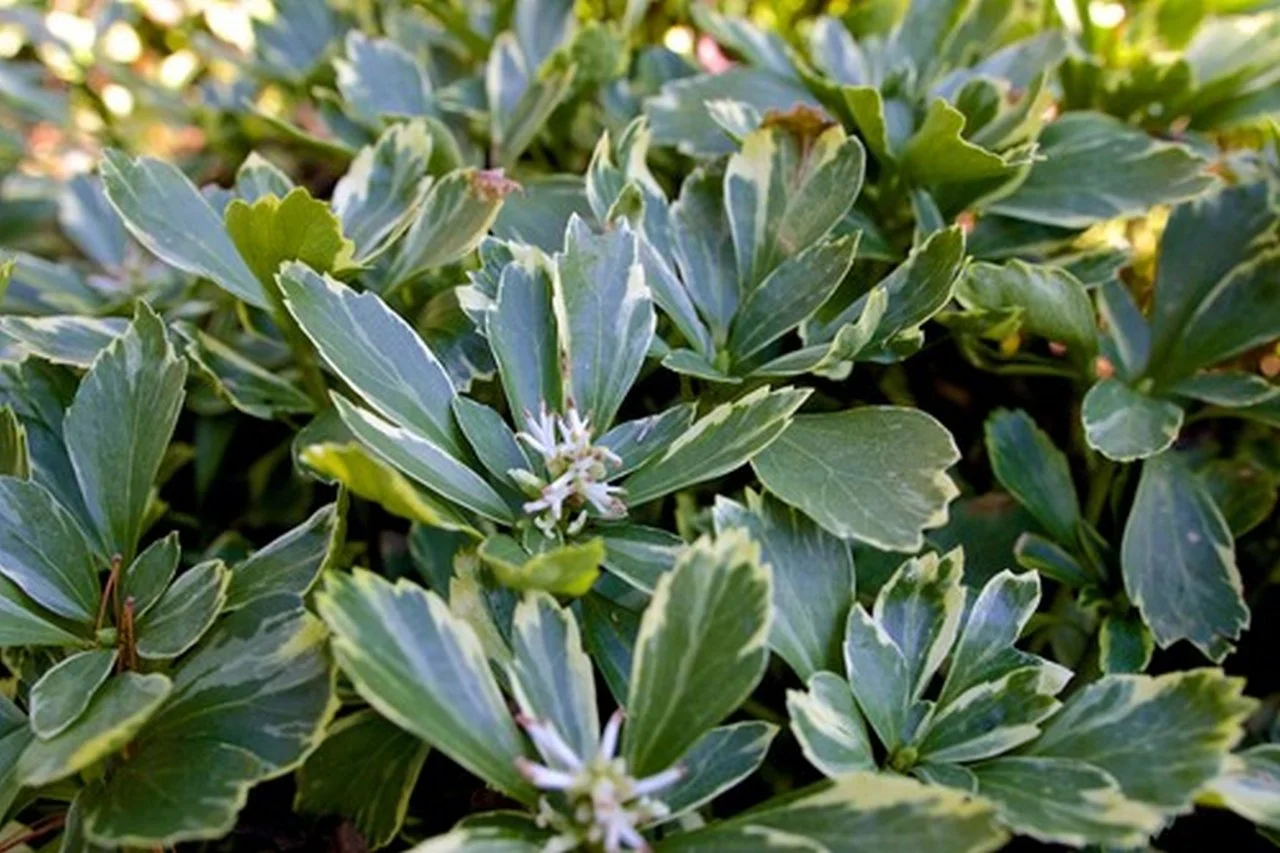
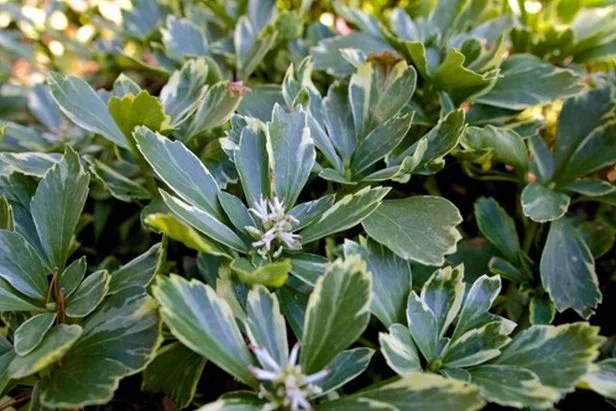
Some pachysandra varieties, like "Silver Edge" (above), unfurl variegated leaves that add color to planting designs. Variegated pachysandra looks great paired with other solid leaf plants, such as Lenten rose, hydrangea, rhododendron or hosta.
Planting Pachysandra
Pachysandra’s undemanding nature also shines when it comes to planting. Tuck it into planting beds anytime soil isn’t frozen (roughly March through December in most of its hardiness range). Prepare soil by breaking it up 3 to 4 inches deep, removing weeds and rocks.
This groundcover perennial thrives in soil that’s rich in organic matter. Work decayed manure, leaves, compost or other locally available material into beds prior to planting. Pachysandra needs slightly acidic soil (5.5 to 6.5 pH), so do a soil test and prepare soil accordingly.
John Walker for JW-Pachysandra.com
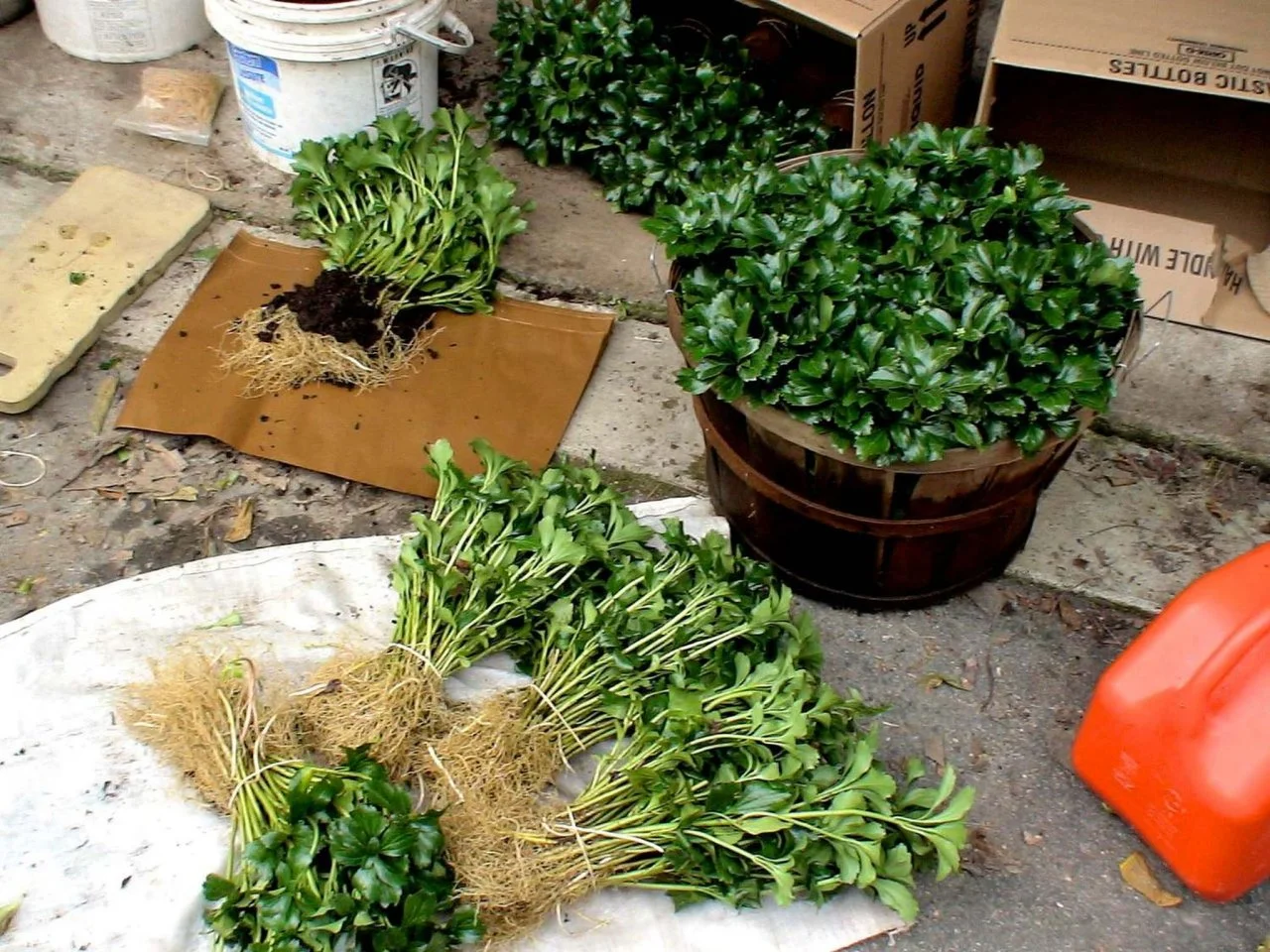
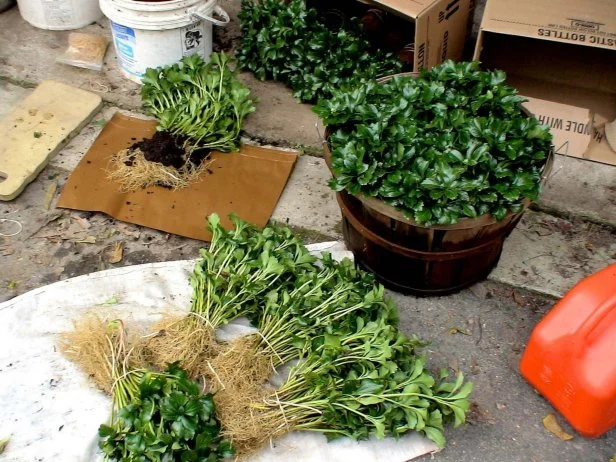
For the best price, buy pachysandra as bare-root plants. They’ll come in a bundle that you separate as you plant. To plant, dig a trench 3 inches deep and up to 4 feet long. If planting under trees, use a sharp hoe to grub out tree surface roots, add pachysandra cuttings and cover with fresh potting soil. Alternately you could lay 3 inches of soil over tree roots and plant the pachysandra into that. If planting a slope, work from top to bottom. Broken runner stems will sprout, so tuck them into the planting trench.
Aim for three to four plants per square foot of growing area (roughly 6 to 12 inches apart). It takes pachysandra about three years to fill in a planting area. Spacing plants more closely together yields a quicker result, but can also lead to poor air circulation and diseases.
Add a half-inch layer of peat moss over the newly planted bed every two weeks. This freshens your bed, helps reduce weeds and lets you inspect your plants. Keep the planting well-watered until you see new growth on plants.
Caring for Pachysandra
In early spring, feed pachysandra with a slow-release fertilizer for acid-loving plants like holly, azalea or rhododendron. A common brand is Holly-tone. This helps maintain the acidic soil pH that pachysandra needs to thrive. Also, consider adding a light (half-inch) layer of peat moss or composted oak leaves (both of which are acidic) in early spring or fall to help keep the soil rich in organic matter.
In autumn, blow fallen leaves out of your pachysandra patch. Gentle raking also works, but use care to avoid breaking pachysandra stems, which can be somewhat brittle.