


Coneflower Echinacea Seeds


Take on the task of growing your own coneflowers—from seed, that is. Coneflower seeds are easy enough to spot in the garden. They’re tucked into the spiky round balls left behind when flower petals fade. Echinacea seeds aren’t tricky to harvest, and they’re even easier to grow if you know what to do. Learn some tips for gathering and growing coneflower seeds.
Modern coneflower varieties fill the garden with a host of flower colors and plant sizes. But if you plan on growing coneflower seeds, it’s a good idea to start with the one of the straight species, like purple coneflower (Echinacea purpurea) or Tennessee coneflower (Echinacea tennesseensis). These coneflower seeds have strong viability—they’re pretty much guaranteed to sprout.
Echinacea seeds from many modern hybrids are only semi-fertile and won’t always sprout. Sometimes hybrids are sterile. Also, remember that hybrids don’t come true from seed, so you may not get the exact plant you want when you sow hybrid coneflower seeds. All coneflowers have a certain amount of infertile seeds, so if you’re planning to save seeds, include at least two different coneflower plants in your garden.
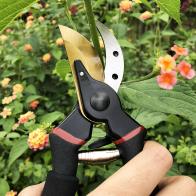
To save coneflower seeds, snip flower stalks after petals die. Cut as long a stem as you can. Slip this stem into a paper bag, putting it in with the spiky flower head toward the bottom of the bag. You can put more than one stem into the same bag. Close the bag around the stem base using a rubber band, twist tie or string. Hang the bag up in a closet or dry garage or basement. As flower heads dry, seeds will fall into the bag. Coneflower seeds resemble small white triangles.
When seeds have released, sort them from the dark chaff and dry them for a few weeks. Store Echinacea seeds in a cool, dry place. For long-term storage, tuck seeds into the refrigerator in sealed jars. Although seeds remain viable for at least seven years, you’ll get best germination when you plant coneflower seeds within a year of harvest.
Even plant scientists debate if coneflower seeds need a cold period (called stratification) in order to germinate. Many home gardeners report excellent germination results using winter sowing techniques. In spring, separate seedlings and tuck them into the garden. You can also shift seedlings into pots to grow them to a larger size before adding them to a landscape planting. This is a good idea if your garden hosts plant-eating wildlife like deer, squirrels or rabbits.
Many of the new coneflower hybrids are patented varieties, which means that making more of them is illegal. Plant patent holders aren’t typically opposed to a home gardener growing coneflower seeds to produce a few plants for their own garden. But you shouldn’t multiply patented coneflowers for others or for selling.
Another way to grow coneflower seeds is to let seed heads ripen and dry on plants. In fall, break seed heads apart, sprinkling seeds where you want more coneflowers to grow. Or let coneflowers self-seed on their own. Most coneflowers grown from seed won’t flower until their second growing season.