

Next Up

What Plumbers Wish You Knew About Your Kitchen and Bathroom

January 27, 2025

And how you can make their job a little easier.

Photo: Getty/FG Trade
Scroll For More Photos
1 / 15

Many of us might like to think of ourselves as the handy, DIY type. But every once in a while, a home repair issue comes along that challenges our self-confidence, and there’s a good chance that pesky problem has something to do with plumbing. Whether you feel like you know a lot, a little or nothing at all about the pipes running behind your walls, there’s no substitute for a seasoned, professional plumber when it comes to solving leaks, clogs and other waterflow worries efficiently and effectively.

But unless your plumber is your bestie, they may not be someone you hit up casually for advice and real talk about the ins and outs of your home’s plumbing — and what to do when you call in a professional. So we asked seven plumbers to tell us what they wish their clients knew about bathrooms, kitchens and hiring them when you need help.
More photos after this Ad

Photo: Getty/Bill Oxford
2 / 15

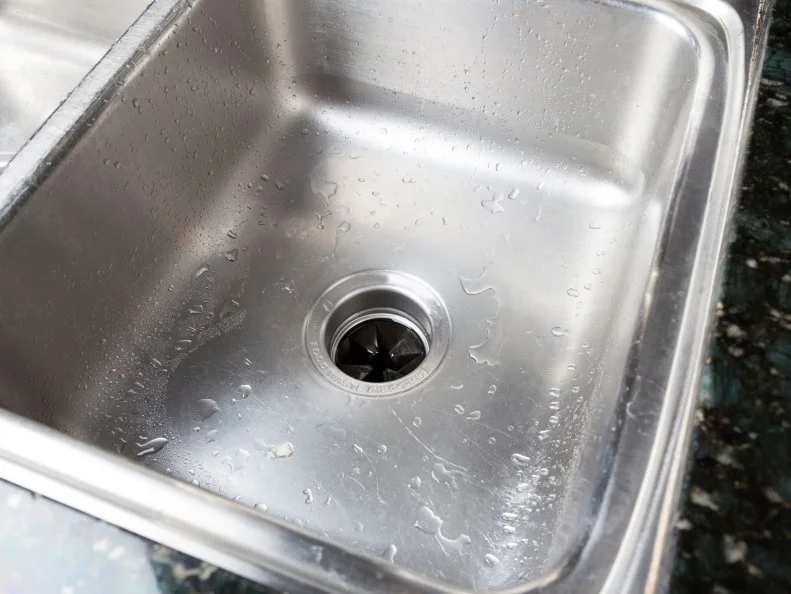
“The garbage disposal is not for garbage.”

That’s a direct quote from Hendrik Vandepoll, co-owner of Service Force Plumbing in Rockville, Maryland. “Actually it shouldn’t be used for much of anything except getting rid of the last bits of what’s in the sink after wiping it. Garbage disposals are very effective at grinding things into tiny bits, but those tiny bits can easily turn into a paste that sticks to the walls of the drain pipes and sewer line [...] The worst offenders are rice, potatoes, coffee and stringy starchy vegetables, but the safe bet is just to run it to help wash away the smallest stuff.”

“No grease down the drain — ever,” added Roy Barnes, co-owner of Service Force Plumbing with Vandepoll. “It might look nice and runny when it’s hot, but once it gets into a cold, dark drain pipe it hardens and turns into a sticky mess.” Not only can solidified grease cause a blockage or backup, it can even cause the diameter of the pipe to “close up to the point that nothing can flow through it.”

More photos after this Ad

Photo: Getty/onurdongel
3 / 15

Protect your pipes.

“A lot of homeowners see their pipes as a kind of repository that magically gets rid of waste, and the truth is almost everybody would benefit from ‘babying’ their pipes and maintaining them daily,” advised Allison Harrison, co-owner of Goodbee Plumbing, a plumbing company serving the greater New Orleans area, adding that “garbage disposals are a major offender in this category,” especially when it comes to disposing of trash and using harsh cleaning chemicals.

“Giving your garbage disposal a daily spin with cold water will [...] help stop blockages from happening,” Harrison suggested. Also, “a semi routine vinegar and baking soda rinse” is preferable to chemical cleaners. “Just make sure you let the mixture sit, then pour hot water down your drain to rinse it. Cold water can crystalize the mixture and cause additional clogging.” Harrison also advises scheduling a routine pipe maintenance every year or two to help you avoid any major disasters before they start.

More photos after this Ad

Photo: Getty/bymuratdeniz
4 / 15

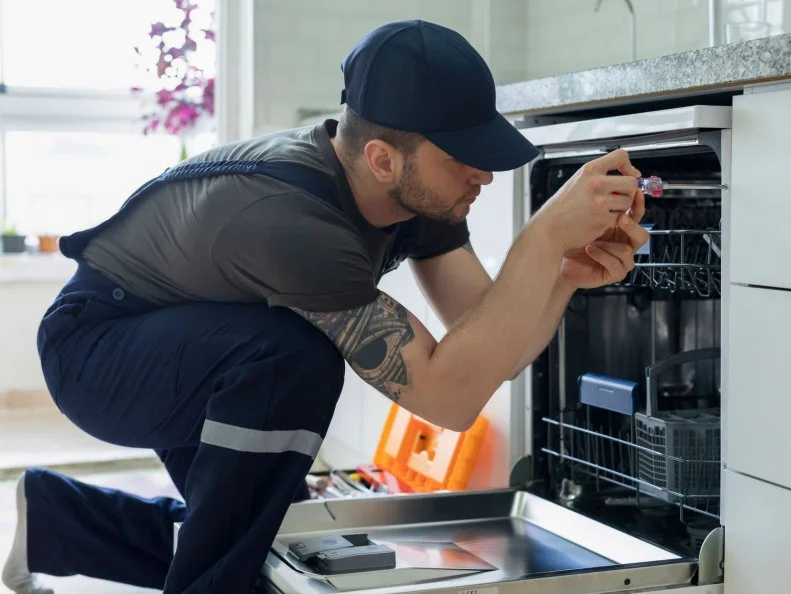
You don’t need to a plumber to install or service your kitchen appliances.

“If possible, have the delivery company install your appliance,” said Aaron Adams, Master Plumber and CEO at Aaron Services in Suwanee, Georgia. “Generally this process is fairly straightforward, and the warranty may protect the appliance from any damage (to the appliance or your home) that could occur during the installation. You should have a plumber involved if a valve needs to be installed, or the connection isn't correct for the appliance, but if the installation is straightforward, it’s more economical to have the company delivering the appliance install it.”

More photos after this Ad

Photo: Getty/Tatjana Meininger
5 / 15

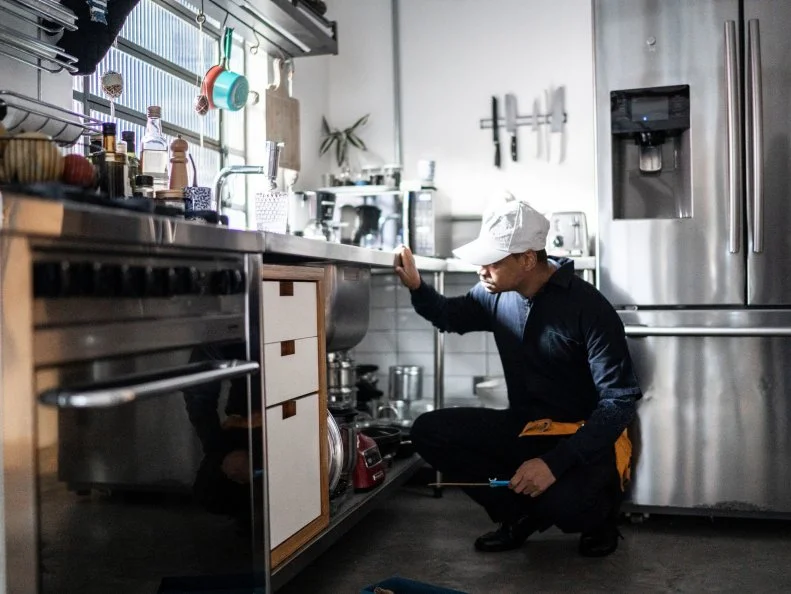
But your appliances can cause you to call a plumber.

“Most modern dishwashers have a filter that catches food debris and should be cleaned regularly to prevent smells and slow drainage,” said plumber Tyler Pittenger of Service Force Plumbing. “They can be a little gross to handle if it's been a while, but they clean up pretty readily with the kitchen sink sprayer. Just make sure to have a sink strainer to catch the debris and put it in the garbage. Otherwise the effect will be the same as not having a filter in the dishwasher — just sending it down the drain!”

Harrison gave us the tip to clean the dishwasher filter monthly, and run a cleaning cycle with a product like Affresh tablets to avoid issues with draining. “Keep in mind your sink and dishwasher also share the same pipe, so a clogged sink can actually cause dishwasher issues too,” Harrison added. “If this is the same pipe your garbage disposal is hooked up to, this is even more reason to make sure you’re taking good care of that appliance too.”

In addition to dishwasher lines, “refrigerators with water dispensers might leak if the connection is loose,” offered Zohaib Hassan, CEO and founder of Plumbing Amarillo TX. “To prevent these problems, check for leaks or kinks in the hoses regularly, and clean filters to avoid clogs. Before calling a plumber, make sure everything is properly connected and check the user manual for troubleshooting tips. Simple maintenance can save you a lot of hassle!”

More photos after this Ad

Photo: Getty/Calvin Chan Wai Meng
6 / 15

Know your water.

Pittenger also noted that if your home has hard water (which can be tested for), it can shorten the lifespan of everything from dishwashers to faucets to water heaters, so a knowledgeable plumber can recommend maintenance or filtration solutions. And if your problem is a faucet that’s running slow, Pittenger said a simple scale blockage might be the culprit. “Before you call a plumber out for a paid visit, try unscrewing the tip of the faucet and manually clean the aerator screen, or soak it for a bit in white vinegar to remove scale buildup.”

More photos after this Ad

Photo: Getty/Kinga Krzeminska
7 / 15

Look for small problems before they become big ones.

“In the bathroom, homeowners may not be regularly checking the showerheads and sink drains for mineral build up,” said Deborah Albero-Darata, owner of Mr. Rooter Plumbing of Virginia Beach and Northern Virginia. “It’s also important to regularly check the toilet seals and flappers for wear.”

Geno Caccia, CEO at Caccia Plumbing in San Mateo, California, agrees, adding, “I’ve seen small drips turn into serious water damage more times than I can count.”

More photos after this Ad

Photo: Getty/Dima Berlin
8 / 15

Don’t overdo the drain cleaner.

“Homeowners tend to let buildup occur in pop-up assemblies and shower drains due to hair, relying on over-the-counter products to clear them,” warned Robert Mazzacone, Master Plumber and owner of Mazzacone Plumbing & Heating in Ossining, New York. “These products can sometimes be acidic and damage the trim’s finish or corrode pipes.

Caccia also warned against regularly turning to pourable drain cleaning products as a “quick fix” if you have persistent clogs. “I’ve had to replace plumbing for clients because of overuse.”

More photos after this Ad

Photo: Getty/Kinga Krzeminska
9 / 15

If it isn’t toilet paper, don’t flush it.

Like the garbage disposal in the kitchen, there’s a good chance you might be overestimating a major player in your bathroom: the toilet.

“Homeowners also have to know that flushable wipes aren't flushable, no matter what the packaging says,” Roy Barnes of Service Force Plumbing said. “Plumbers make good money every day clearing backups caused by ‘flushable’ wipes. Nothing should go down the toilet except human organic material and toilet paper.”

More photos after this Ad

Photo: Getty/Catherine Falls Commercial
10 / 15

Keep clutter away from your toilet, too.

“I’d also tell homeowners not to keep things on shelves above the toilet,” Hendrik Vandepoll offered. “We regularly get calls for any number of foreign objects that have fallen into the toilet from storage shelves that are directly above the toilet or on the edge of the vanity. That extra storage is nice, but if you have to call a plumber to fish out a mascara bottle or razor — or worse, replace the toilet because the jam is so bad — it’s really not worth it.”

More photos after this Ad

Photo: Getty/Oscar Wong
11 / 15

Learn to shut the water off yourself.

“If you have a leaking toilet and need to wait for a plumber, you can often limit the problem by turning off the water to the toilet and emptying the toilet tank,” Master Plumber Aaron Adams said. “There's a supply line with a valve going from the wall to the toilet. Turn that valve (carefully, they can be brittle!) to stop the flow of water to the toilet. Then flush the toilet to empty the water from the tank. This will stop the leak until a plumber can arrive (or until you get time to try to fix the problem yourself).”

More photos after this Ad

Photo: Getty/Jacob Wackerhausen
12 / 15

Don’t omit any information.

“One of the biggest things I wish customers knew is how much time and trouble they can save by being transparent when they first call,” said Robert Mazzacone. “If your faucet leaks, please tell us if it’s been going on for weeks or if you’ve tried fixing it yourself.”

Tedious as it may sound, keeping track of your household headaches and repairs is a good idea. Deborah Albero-Darata said that, ideally, you should “have any past plumbing issues on file to discuss for repeat problems, and all of the details around your current issue such as: When did it begin? How long has it been happening? Have you attempted any fixes thus far?”

More photos after this Ad

Photo: Getty/Andrey Zhuravlev
13 / 15

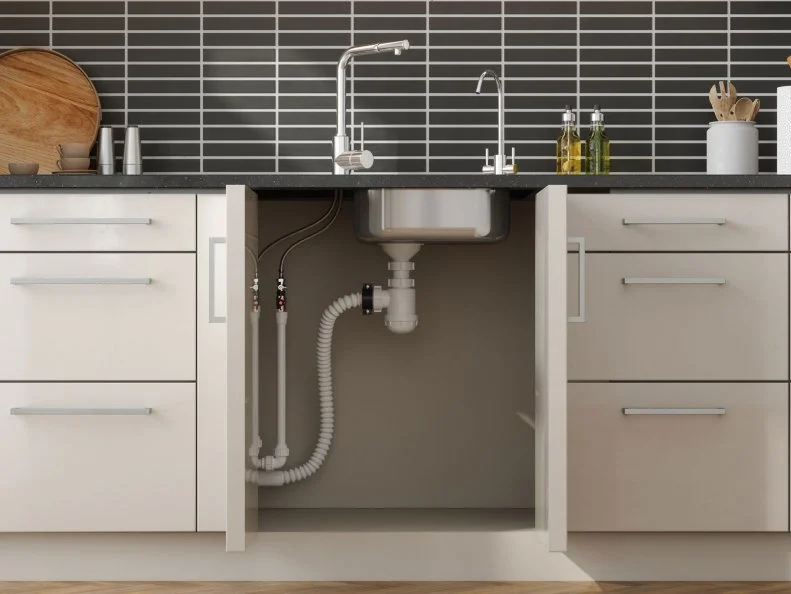
Clear a space for your plumber to work.

“Make the workspace easy to access. If you have a leaking kitchen sink drain, and your sink cabinet is full of stuff, the first thing the plumber will need to do is empty out the area,” Aaron Adams said. “The same is true of any plumbing issue: the plumber will need room at and around the problem. Some plumbers won't move your possessions due to liability reasons. Others will clear it, but you may end up paying for their time.”

More photos after this Ad

Photo: Getty/tzahiV
14 / 15

Keep your DIY ego in check.

“When attempting DIY plumbing, know when to stop,” Mazzacone reminded us. “A quick YouTube fix can become a nightmare if you don’t have the right tools or experience. I’ve walked into jobs where the homeowner made the problem worse by attempting to fix things on their own.”

Albero-Darata agrees, citing common homeowner errors like over-tightening fixtures, lack of familiarity with building codes or using subpar (i.e. non-brand name) products purchased online to save a few dollars.

More photos after this Ad

Photo: Getty/Phynart Studio
15 / 15

They’re called “professional” plumbers for a reason.

“When it ‘only’ takes the plumber 20 minutes to solve your plumbing problem, that’s just because he has put years of training into his craft,” Adams explained. “The same way you don't want to pay an attorney to get out a law book and start learning about trespassing, you want a plumber who knows how to solve your plumbing issue. There is value in a plumber's experience and knowledge, and sometimes being able to fix something quickly is a sign of that value, not a reason to undervalue the service.”