




How to Espalier


In neighborhoods where homes are close together, it’s not unusual for the sides of houses to be windowless, both for privacy and wall space indoors. But what gardener, always hungry for more planting space, wants to stare at a blank wall?
One solution for not only accenting that wall but also providing room for a little vertical gardening is espalier. Don’t be scared off by the fancy-sounding term. Espalier is the horticultural technique of training a plant to grow in a pattern against a wall or on a fence. It also refers to the plant itself that has been nurtured in this manner.

When garden space is limited, espaliers are ideal ways to incorporate trees, shrubs and woody vines that otherwise would suck up too much ground space. They’re commonly found in dense, urban neighborhoods, especially courtyards and alleyways. Beyond the practical, espaliers also create a focal point in the garden; the more intricate the pattern, the more they draw the eye. On the down side, they can he high maintenance; if you’re not intro pruning and don’t have a lot of patience, don’t try this at home!
But by choosing the right plant, selecting the best site, and knowing a little about how plants grow, you can create a stunning accent in no time for a garden large or small.
Good Candidates
Fruit trees, such as apples and pears, make great espaliers. So do shrubs like camellias and sasanquas, and vines and vining plants like climbing roses, Boston ivy, and wisteria. Also consider:
- Chinese redbud
- Crabapple
- Winged euonymus
- Fig
- Foster holly
- Japanese holly
- Winter jasmine
- Japanese kerria
- Loropetalum
- ‘Little Gem’ magnolia
- Saucer magnolia
- Sweetbay magnolia
- Pyracantha
- Viburnum
- Yew
Where to Plant
Choose a site based on the plant’s normal growing requirements, though east- and south-facing walls are ideal for providing plenty of sun and warm protection from cold north winds. Plant the plant 8-12 inches from the wall to provide adequate air circulation behind it. Water and mulch as you would in other sites. Give the plant time to establish itself and grow new roots before attempting any pruning.
Choose a Style or Pattern
Depending on your garden style, select between formal and informal espaliers. They can be as formal as the intricate patterns of fans, candelabra, diamonds and basket weave or as informal as simply training the plant to grow flat against the wall, with little or no design at all.
Create a Support
If space is really limited, you can buy plants already espaliered in garden centers that have been planted on small trellises. But if it’s a wall or fence you’re trying to accent, you will need to provide support with bolts and heavy-gauge wire.
Training the Branches
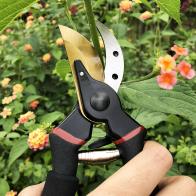
From the main trunk of the plant, prune branches that don’t conform to the desired pattern. The best time to do this is in late winter and early spring during the dormant season because pruning stimulates new growth (If it’s a flowering plant, such as a camellia or rose, avoid pruning when the plant is setting buds).
Attach the desired branches to the supports. Continue pruning to form the desired pattern and to stimulate additional growth. Tip: Pruning horizontal branches encourages vertical growth; conversely, pruning vertical branches stimulates horizontal growth.


