







Culinary Lavender 101
Discover edible lavenders, along with tips on harvesting and using this pretty, fragrant herb in baking, grilling and more.


Iva Vagnerova/Shutterstock.com
English lavender is often used as a culinary herb.
Savor lavender in the kitchen as well as the garden. Many species and hybrids can be drafted for use as a culinary lavender. Fragrance-rich English lavender (Lavandula angustifolia) tends to be a favorite culinary lavender, adding a sweet floral flavor to beverages, desserts, savory dishes and meats.
Embracing culinary lavender isn’t something new and trendy. It’s a centuries-old practice tracing back to the Middle Ages. Most recipes call for lavender flowers, which you can use fresh, dried or fresh-frozen. Edible lavender parts also extend to tender leaves and stems. Woody stems and older, tougher leaves work well for marinades, meat rubs or tossing onto hot coals.
Best Culinary Lavender Varieties
When shopping for culinary lavenders, it’s a good idea to work with botanical names, just to make sure you get the right plant. The best tasting edible lavenders are the ones with the sweetest perfume. English lavender is extremely popular as a culinary lavender. This is normally sold as Lavandula angustifolia, but it’s sometimes sold as Lavandula officinalis or Lavandula vera. Occasionally it’s listed as “true English lavender.”
The varieties ‘Hidcote’ (Lavandula angustifolia ‘Hidcote’) and ‘Munstead’ (Lavandula angustifolia ‘Munstead’) bring a lovely aroma and flavor to the kitchen. ‘Hidcote’ edible lavender opens deeper violet-blue blooms that boast a richly fruity flavor. ‘Munstead’ flowers are the traditional purple and have a more herbal, floral flavor. Look for pink-flowering ‘Rosea’ English lavender (Lavandula angustifolia ‘Rosea’) or ‘White Ice’ (Lavandula angustifolia ‘White Ice’) for unusual bloom colors with a milder, almost candy-like flavor.
Lavandins (Lavandula x intermedia), which are hybrids of English lavender, also make wonderful culinary lavenders. Try ‘Grosso’ lavender (Lavandula x intermedia ‘Grosso’) and ‘Provence’ lavender (Lavandula x intermedia ‘Provence’) for intensely intricate flavors.

How to Harvest
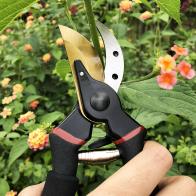
Pick edible lavender flowers when blooms are fully opened but haven’t turned brown. Try to harvest blossoms as soon as they open, because flavor degrades quickly. You can clip entire flower stems, but all you want is the tiny flower itself, which you’ll have to pull from the flower head.
Using Culinary Lavender
The sweet scent of lavender makes it a natural addition to dessert and cocktail recipes, but lavender is also suited to balancing flavor in savory dishes. Try these ideas or use them to spark creativity in the kitchen.
- Add chopped flowers to butter or sugar to infuse a sweet lavender flavor through a baked dessert, such as shortbread or sugar cookies. Use 7 tablespoons of chopped blooms to one-half pound of softened butter. To create lavender sugar, seal six whole flower spikes into several cups of sugar in an airtight container for a week. Use this sugar to sweeten beverages or cookies.
- Create lavender honey by adding four teaspoons of chopped lavender blossoms to one cup of warmed honey. Add one tablespoon of lime or lemon juice. Steep for one hour, then reheat and strain to remove blooms.
- Use as a stand-in for fresh rosemary in most recipes—just use twice as much lavender as rosemary. Use lavender leaves, stems and flowers in marinades and meat rubs, or toss whole lavender stems on the grill to infuse meat with a complex, herbal smoke flavor.

Lavender Collins Cocktail Recipe
Try this beautiful and refreshing party-worthy cocktail made with fresh blackberries and a lavender-infused simple syrup. It's our spring twist on the traditional Collins.


