
Fight Household Clutter
Learn how to get your house in order no matter what the season.
- A
- A
- A
Print Options
CloseE-mail This Page to Your Friends
xSuccess!
A link to %this page% was e-mailed
All About
by Jake Grove, Scripps Howard News Service
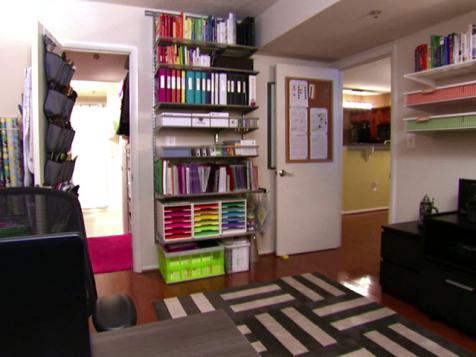
With the change of seasons comes the unenviable task of committing to house cleaning. But this year, rather than just cleaning behind the refrigerator or dusting the ceiling fan, why not get the whole house in order? This could be the year the house ceases to be a giant storage bin for old T-shirts and knickknacks from 1972 and becomes a place to live in again. It can happen, and it all starts with organization.
Organizing first starts with a desire, according to Deniece Schofield, author of Confessions of an Organized Homemaker and Confessions of a Happily Organized Family. Schofield said you have to want your house organized before getting started, and that is often the most difficult part.
"There are people who will never be organized in their whole lives," she said. "Then there are people who will try and they either will or won't make it. In the end, the people who are concerned about it are the people who will get organized."
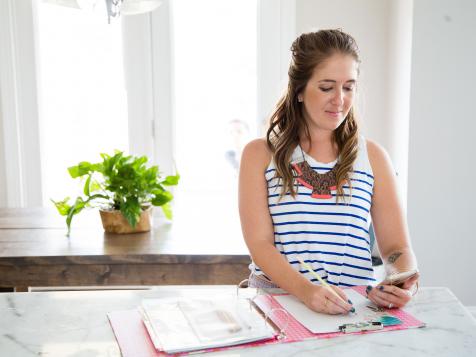
Once you've decided that being organized is a priority, it's time to figure out what needs to be addressed first, second, third and so on. Just like going to the grocery store, Schofield said that is the time to make a list. The list should have small goals on it for each room.
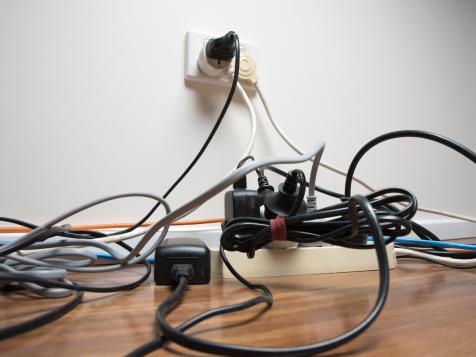
Instead of saying, "Clean the living room," break the living room down into segments that need to be organized. For instance, the list might include alphabetizing your videotapes or CDs, finding a place for magazines or remote controls and cleaning up the mass of wire behind the entertainment center.
Schofield said making a list for each room helps keep your goals in mind without all the stress of thinking about it every moment of every day.
"(The list) is always reminding you, so it takes the pressure off your brain and puts it on paper," Schofield said. "Then you can prioritize, choose a place to start and get going."
From the list, it is time to get started on a few projects. Start going through a few things and separating them into four categories. Schofield suggested splitting items into As, Bs, Cs and Ds. An 'A' would be things used every day, a 'B' is something used on a weekly basis, 'C' is for items used monthly and 'D's are those things that you have not used in a six months to a year and won't use any time soon.
Such a system won't be easy, especially for the pack rat that exists in everyone, but it is necessary to get the organizing process started.
While going through these items, think about where they might go. One of the simplest ways to organize is to put the things that always seem to end up in a room in that room. It sounds easy, but Schofield said common sense is sometimes the hardest thing to accomplish in the home.
"All useful items should be stored conveniently," Schofield wrote in her book, Confessions of a Happily Organized Family. "For example: 'Where are the scissors?' 'I left them in the bathroom and forgot to put them back.' If the scissors keep showing up in the bathroom, it sounds like you need to keep an extra pair of scissors there."
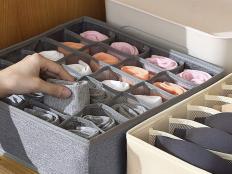
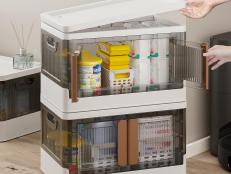
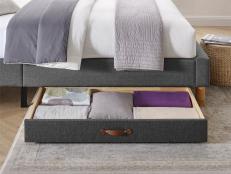
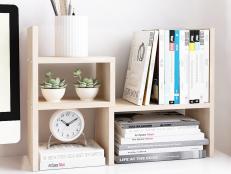
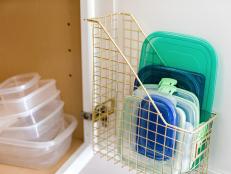
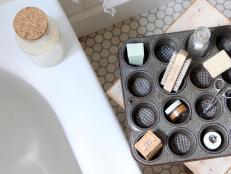
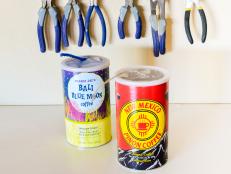
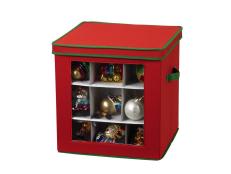
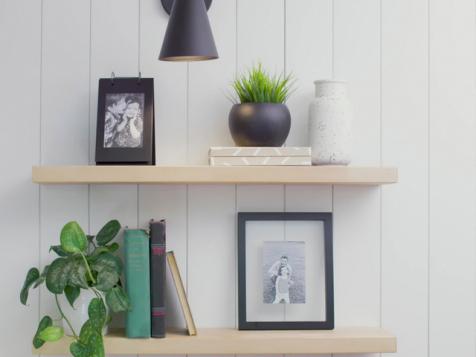
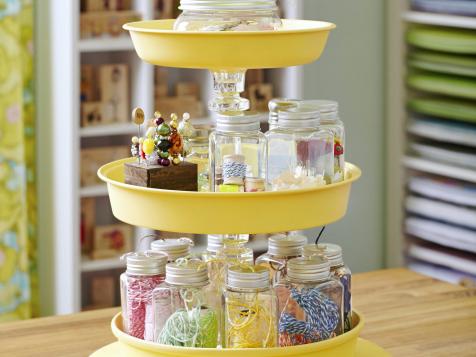
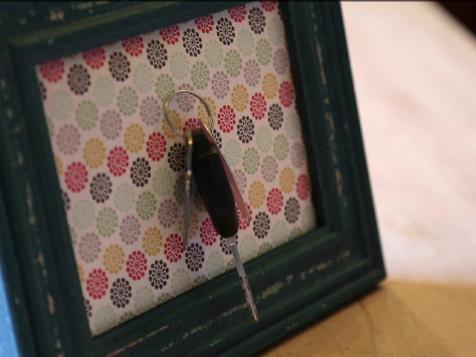
Be creative. Instead of running out every five minutes to pick up another storage bin, bookshelf or shoe rack, find a use for some of the things you have lying around your house. She said that most people would be surprised at the different uses that can be found for items like crates, shower rods and empty canisters around the house. This will save you money and give you a chance to declutter a few things around the house.
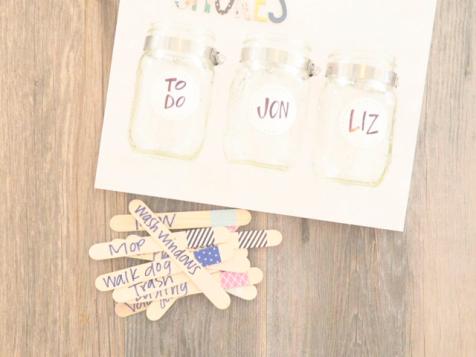
Finally, Schofield said not to be afraid of the time it will take to organize a home at first. She said it took her six months to get things together. But by delegating a few jobs to family members and taking the time every so often each day, the job eventually got done.
"The biggest reason people don't organize is because of time," Schofield said. "We have time, but in small increments. Taking 15 or 30 minutes a day to get organized will get the job done, it just won't get done in one day or even a week. Be patient."
(Distributed by Scripps Howard News Service.)