Rain Lily
The name "rain lilies" comes from their tendency to send up flushes of flowers within a few days after a soaking rain.
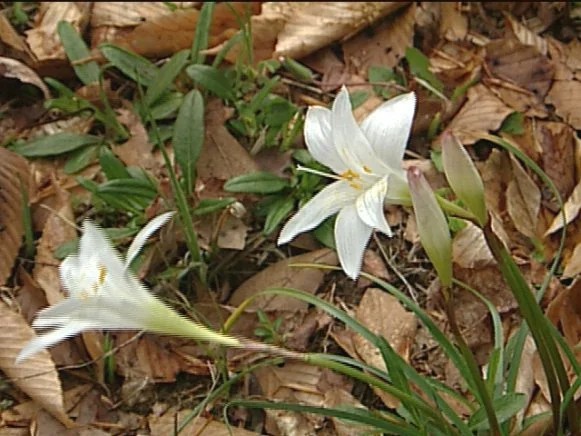
Plant type: Perennial bulb
Hardiness: USDA Zones 7 to 11 for most species
Elegant and easy to grow, rain lilies liven up gardens with funnel- to goblet-shaped flowers in a range of colors. Different species bloom at different times, so you can enjoy their blooms throughout much of the growing season if you grow several kinds. These bulbs also produce slender green leaves, which stick around even after the short-lived flowers wither. They may be sold under the names "zephyr lilies" and "fairy lilies."
How to use them: Where they're hardy, rain lilies look great tucked into the front of a border, planted along a pathway or added to a rock garden. They're also excellent for interplanting with groundcovers, such as lilyturf (Liriope sp.); rain lilies add a surprising burst of color when they bloom, then their foliage fades into the background. Grow them in generous groupings for a splendid show. Rain lilies also adapt readily to life in pots—an easy way to enjoy them anywhere. North of USDA Zone 7, plant them in the ground, but dig them up in fall for indoor storage, or else buy new bulbs each spring.
Culture: Rain lilies usually prefer full sun but can also take light shade, especially in hot climates. While they're naturally adaptable to alternating wet and dry periods, they can also perform well in evenly moist, well-drained soil. If you grow them in containers, bring them indoors and keep them dry for the winter, then set them outdoors again in spring. Propagate rain lilies by dividing the bulbs. No serious pest or disease problems.
Special notes: These beautiful bulbs adapt readily to life in well-irrigated beds and borders but are also quite forgiving of dry spells—a big plus if you can't (or don't want to) provide supplemental water. They're among the first blooms to make an appearance once the rains return, making them a welcome sight after a drought. Be aware that all parts of the plants can be toxic if ingested.
Selected Species