


How to Prevent Pipes From Freezing in the Winter
Follow these tips to prevent bursting water pipes during cold spells.

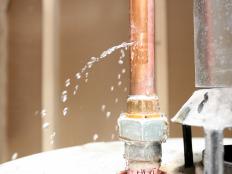
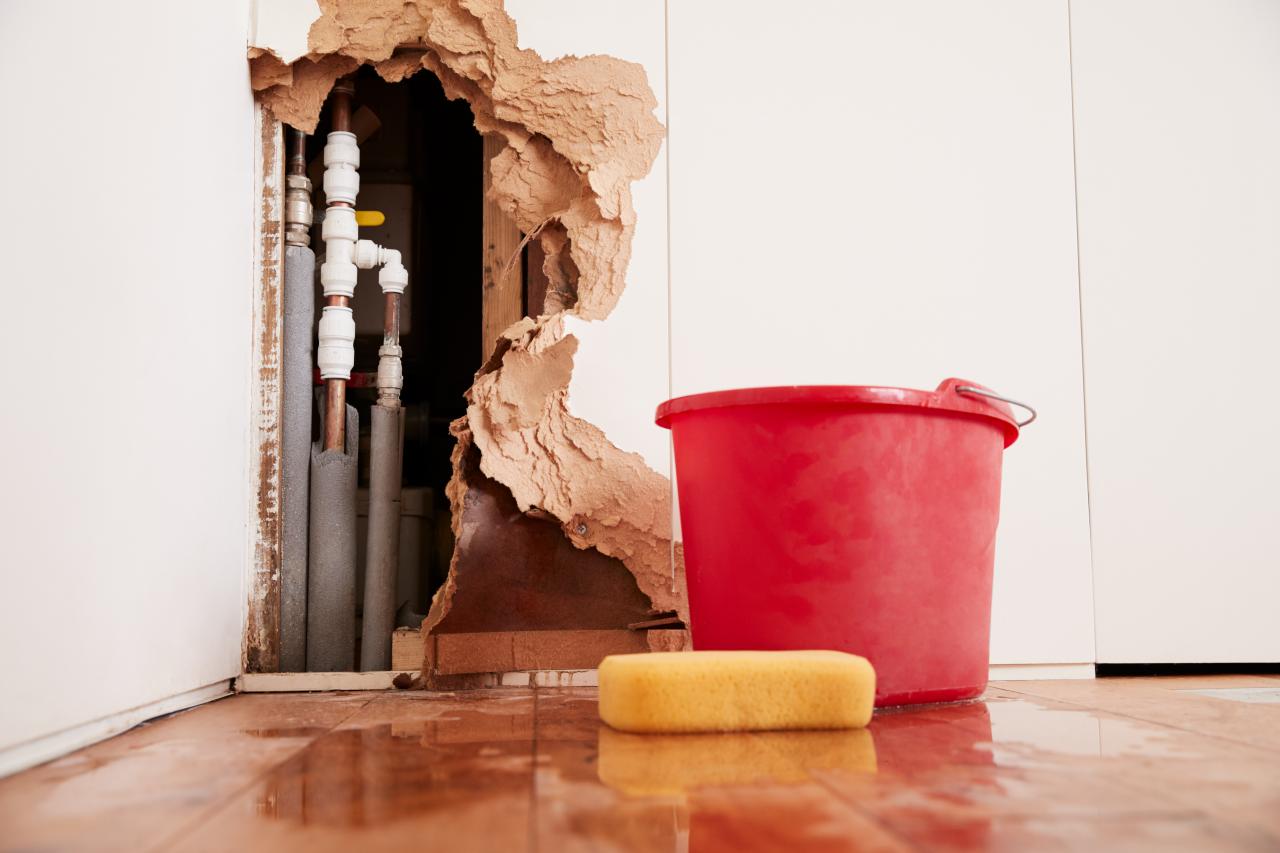
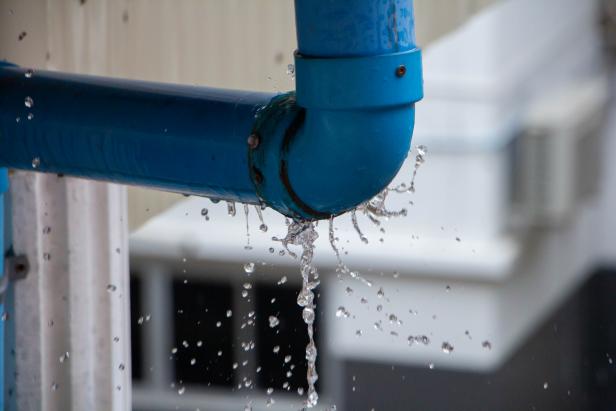
Cold weather can wreak havoc on your home’s plumbing. There are several simple remedies that help to keep water pipes from freezing when the weather turns severely cold. What can happen if you don’t protect your pipes? You may have costly, inconvenient repairs to manage in the springtime.
Shutterstock; Violon Glissando Bach
When considering the options for your home, keep these two goals in mind:
- You need to prevent cold air from entering areas near your plumbing.
- You need to protect and add warmth to areas where cold air cannot be prevented.
Many of the steps you can take to prevent damage are simple and affordable.
Follow these tips to prevent your pipes from freezing this winter:
Expose Plumbing
Open the cabinet doors under the kitchen, bathroom and laundry room sinks, especially if you’re not going to be running warm water for several days. Warm air from your home will enter the cabinet and help keep the plumbing warm. This is especially important if those sinks are against exterior walls.
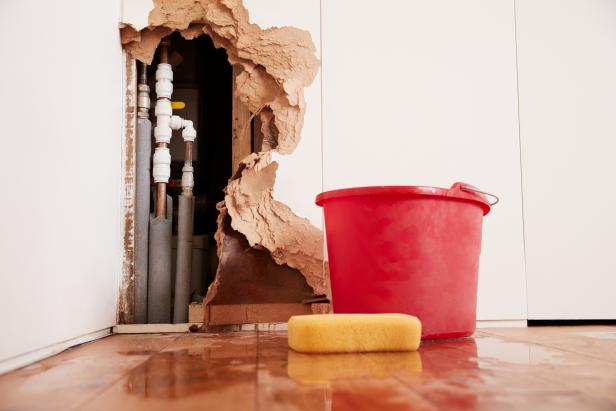
If critical water pipes are freezing inside an exterior wall, cut an opening in the wall to expose the pipes to the home's warm air. You can run fiberglass insulation behind the pipes, between the pipes and the home's exterior wall. The hole in the wall can be covered later with a hinged door or a panel that can be removed during cold spells.
Shutterstock; Monkey Business Images
Improve Insulation
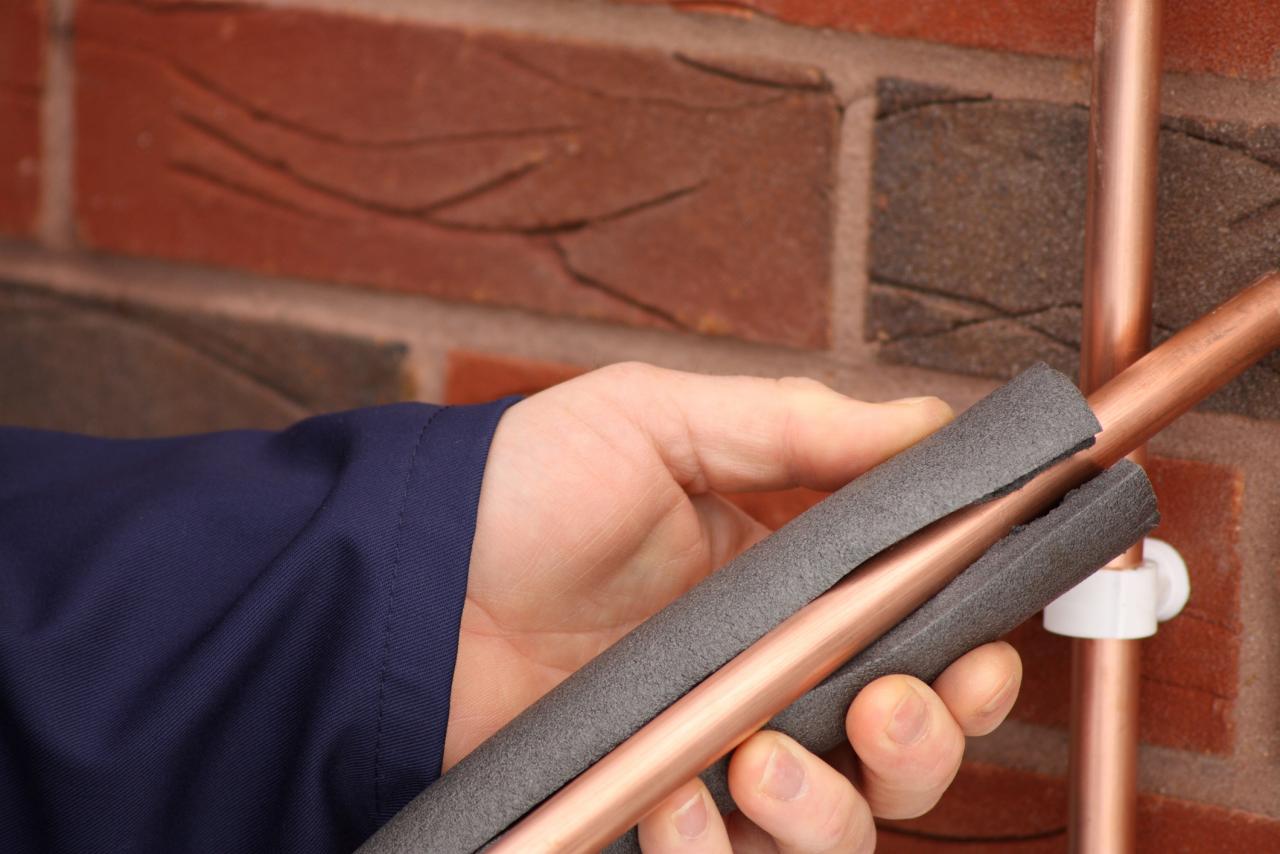
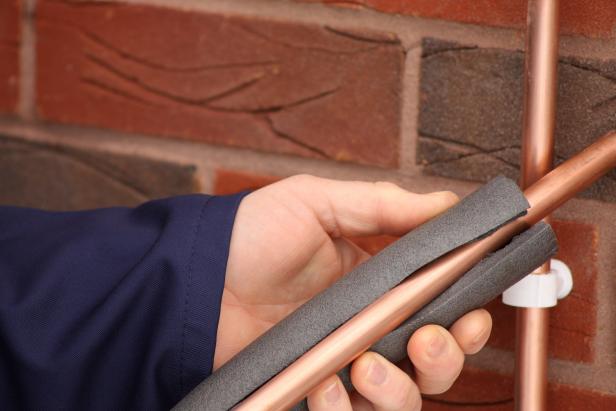
Insulation keeps the cold out and the warm, well, in. In warmer seasons, pipe insulation can also help with condensation. There are a wide variety of insulation options available for homes, attics, basements and crawlspaces, but you may only need to focus your insulation efforts on one of those spaces depending on where your pipes run.
Getty Images; nsj-images
You may want to start by adding insulation on individual, exposed pipes. Common types of pipe insulation that help protect indoor and outdoor pipes include:
It's easy to protect outdoor faucets with a foam faucet cover or a faucet sock.
You can improve the insulation by adding rigid foam insulation to the inside of your foundation walls, to the ends of the floor joists in your crawlspace or basement, and to foundation vents.
Also, consider how the rooms in your home are insulated. You may know from previous years that some exterior-facing walls are colder than others. See if you can add wall insulation in those rooms.
Getty Images
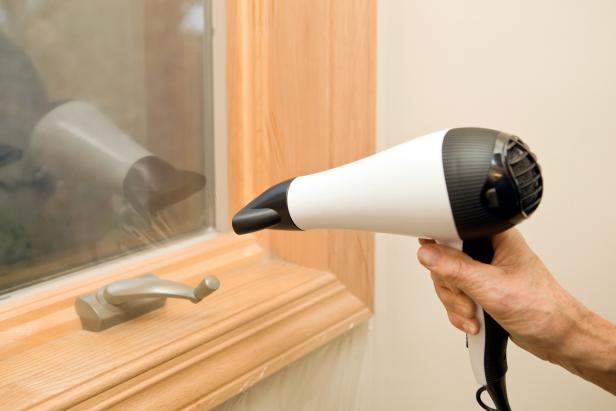
Add caulk and improve the weather seals around doors and windows. Weatherproofing doorways and windows will help prevent cold air from entering a warm home.
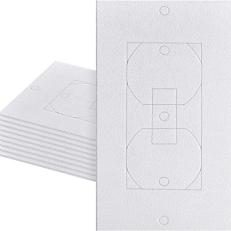
You can also add insulation to switches and outlets on exterior walls to reduce drafts.
Shop Products to Prevent Frozen Pipes



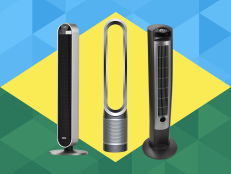
Use Space Heaters and Fans
In basements, attics and garages, running a space heater intermittently can take the edge off a cold day. Place the heater near the pipes so that they can benefit from the heat source.
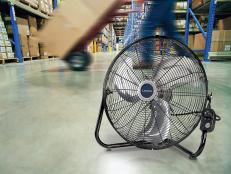
If the access to your crawlspace is inside the home, set a fan in the opening to blow warm air from the home to the foundation.
Trickle Faucets and Bath Tubs
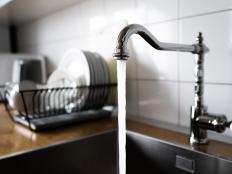
If you’re going to be away for an extended period of time, keep a few faucets on just enough to drip. Even a small amount of movement of water through pipes can reduce the chance that your pipes freeze and protect the entire plumbing system.
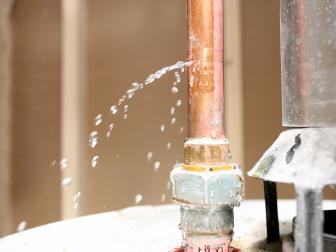
How to Repair a Burst Pipe
Learn how to repair a broken pipe using a soldering kit or push-to-connect fittings.

Why Is My Electric Bill So High? 16 Photos
Find dozens of no-cost and low-cost tips to save on your utility bills and reduce your carbon footprint while you're at it.