
Raised Beds
Fewer weeds, fluffier soil, more convenience -- raised beds earn high marks.
- A
- A
- A
Print Options
CloseE-mail This Page to Your Friends
xSuccess!
A link to %this page% was e-mailed
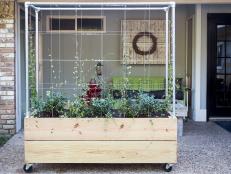
A raised bed should get full sun for at least six hours a day. Place the raised bed out of the way of outdoor activities but close to a water source. Get step-by-step instructions for building a raised bed.
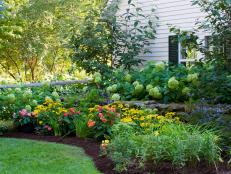
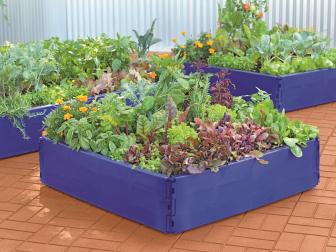
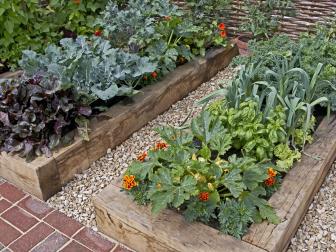
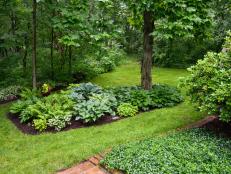
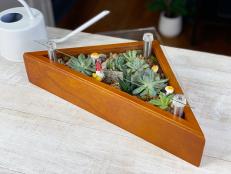
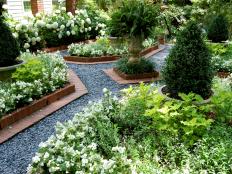
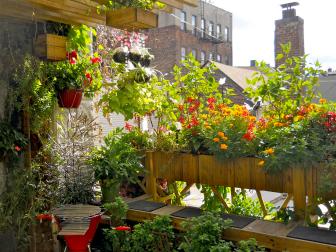
Gardens don't always have to be at ground level. A raised-bed garden is simply a planting area that's higher than the level of the surrounding ground. A contained, elevated garden area is easier to work and maintain than a traditional garden, and an attractive wood-framed bed filled with flowers, fruits or vegetables can add visual appeal to most landscapes. There are a range of sizes and shapes, from small accent beds to large decorative statements in the landscape. Raised beds have been used for centuries because of the many advantages they have over conventional garden plots.
Bring the beauty of the garden indoors by choosing a location that can be viewed and enjoyed from your house.Soil. Raised beds provide the ability to better control soil conditions. For areas with heavy clay, sand or highly alkaline soil, you can grow a wider range of plants. Because raised beds start with new soil that you amend for your purposes, you don't have to worry about solving existing soil problems.
Growing season. Raised beds warm up sooner in the spring and stay warmer later into fall than traditional gardens.
Weeds. Weeds are not as big of a problem if you do your prep work when you create the bed. You can also grow plants closer together, which crowds out many weeds.
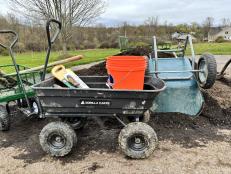
Be sure that your pathways between beds are wide enough for a wheelbarrow or garden cart. For grass walkways, make sure that your mower will fit between the raised beds.Convenience. Raised beds are easier to work on. They are elevated a few feet off the ground and are more accessible for gardeners with physical limitations.
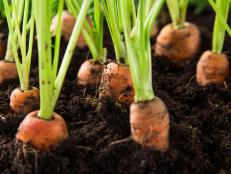
Higher yields. Because most raised beds are less than 4 feet wide, gardeners don't have to walk through the garden to access plants. This means the plants are less stressed and that more intensive gardening practices — like wide-row and square-foot gardening — can be used.
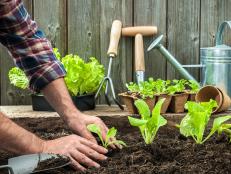
Beginning gardeners can ease into gardening with raised beds. Creating a small bed limits the focus to just taking care of that space. We all want a pleasant gardening experience, and having a manageable and productive bed provides just that.
Design and materials for a raised bed
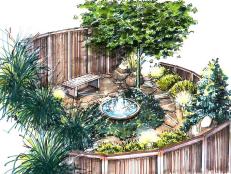
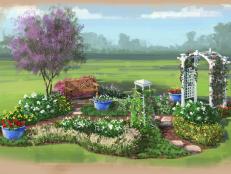
There are no rules when it comes to designing a raised bed garden. Use your imagination to choose materials, textures and shapes that complement your landscape. But be realistic — an elaborate design with several beds is considerably more work and maintenance than a couple of small beds placed side by side. Whatever design you choose, work it out on paper first.
Although most raised beds are framed, they don't have to be. Some gardeners simply mound up soil, but most use some sort of framing material to keep the soil in place during heavy rains and to keep it looking neat in the landscape. You can use a variety of materials; it doesn't matter what you choose as long as it's sturdy and longlasting.
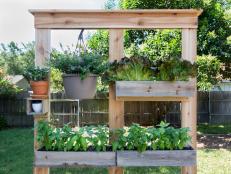
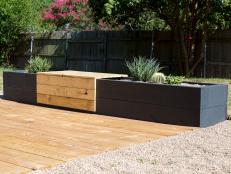
Wood. Many gardeners prefer untreated wood for vegetable gardens. Cedar and redwood are naturally rot-resistant.
Landscape 'timbers.' These are made from recycled plastic, weather well and last a long time. Some are even manufactured to look like weathered wood.
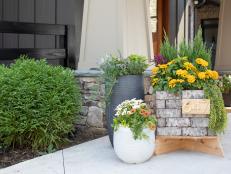
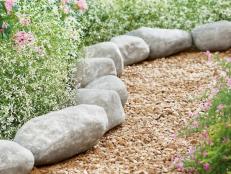
Natural stone is another attractive choice for a raised bed. It can be stacked naturally or mortared in for a finished look.
Decorative concrete block or stones. Blocks and stones are usually used to build retaining walls but also make excellent raised bed frames. They're durable, and you can stack them to varying heights to make tiered beds.
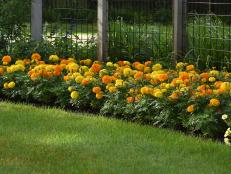
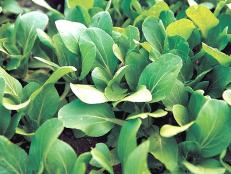
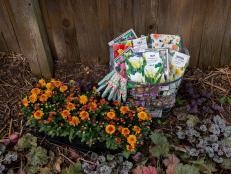
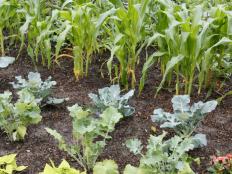
Even though most gardens are planted in spring, a raised bed is a great way to quickly start a new flower or vegetable garden. Consider the shortened growing season and plant accordingly. Vegetable crops that mature quickly include radishes, summer squash, lettuce, mustard greens, yellow wax beans, green beans, cucumbers and broccoli. Heat-tolerant flowers that can be planted in summer are marigolds, most roses and many varieties of salvia.
Resources
-
Guests
- Kevin Mangan
Construction Consultant
221 Newton Ave., South
Minneapolis, MN 55405
Phone: 612-374-1988
- Peter Lucas
Construction Consultant
Lucas Construction
Minneapolis, MN
- Kevin Mangan