More photos after this Ad
Choose Metal Finishes
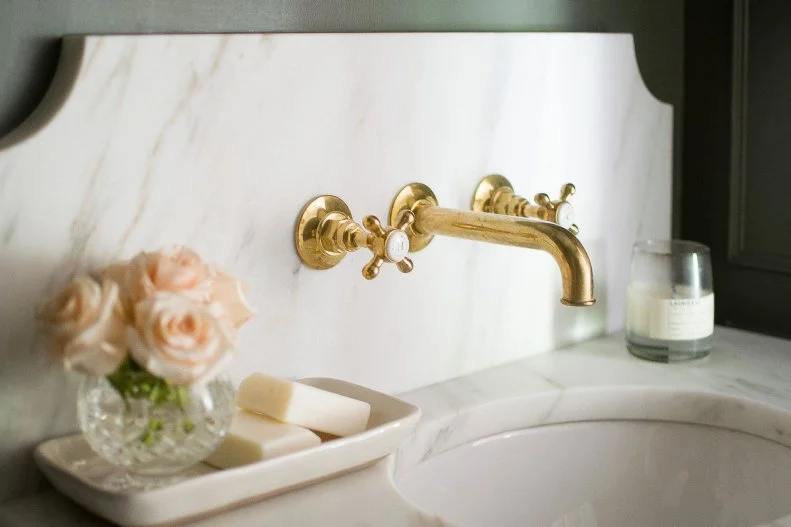
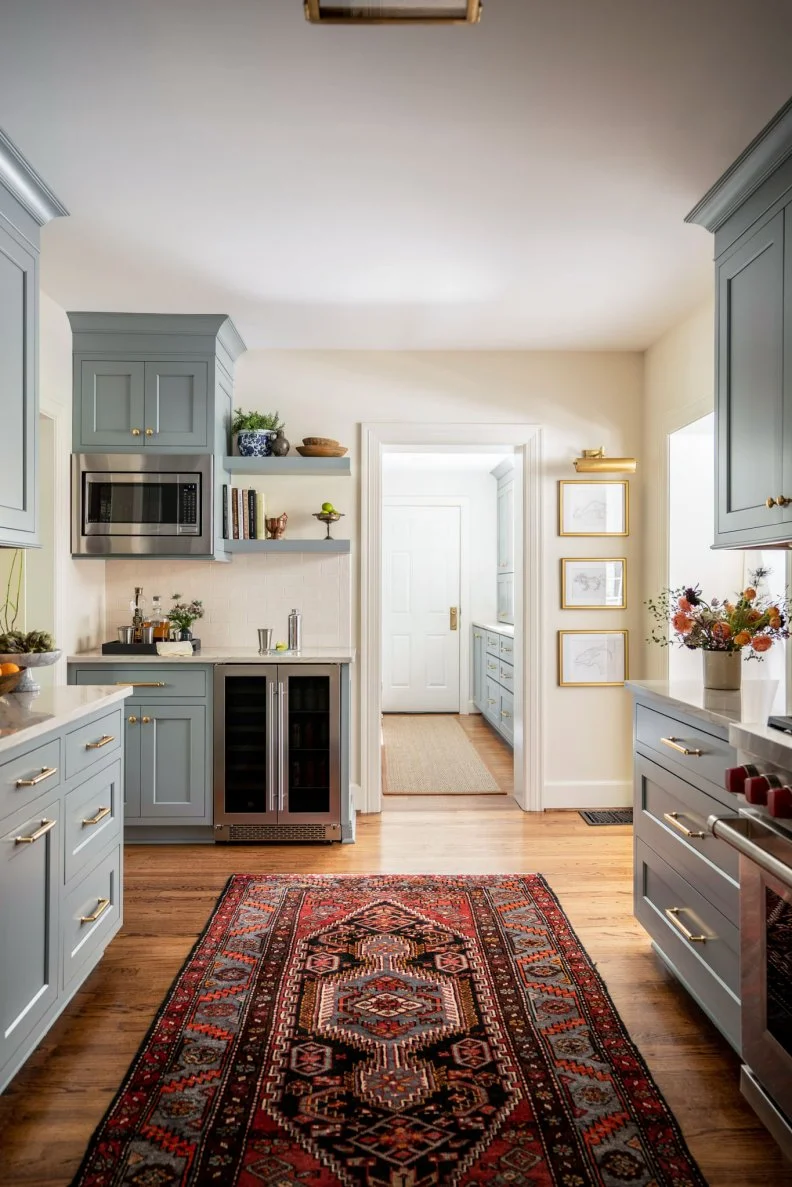
When selecting finishes, Caroline suggests choosing metal finishes that will patina over time. “Hardware is one of the smaller details that can be overlooked during a remodel or refresh, but it can be so impactful in a space. Choose finishes that are warmer and that will patina over time. We usually opt for simple, clean and timeless hardware for our cabinetry. Choose hardware that complements the other design elements in the space like light fixtures and bathroom trim kits. Don’t be afraid to mix metals. Polished nickel and unlacquered brass look beautiful paired together because they are warmer metals. It gives a space dimension when you’re intentional with the things you mix.”
Check Out the Best Kitchen Hardware
More photos after this Ad
Use Inset Cabinetry With Feet
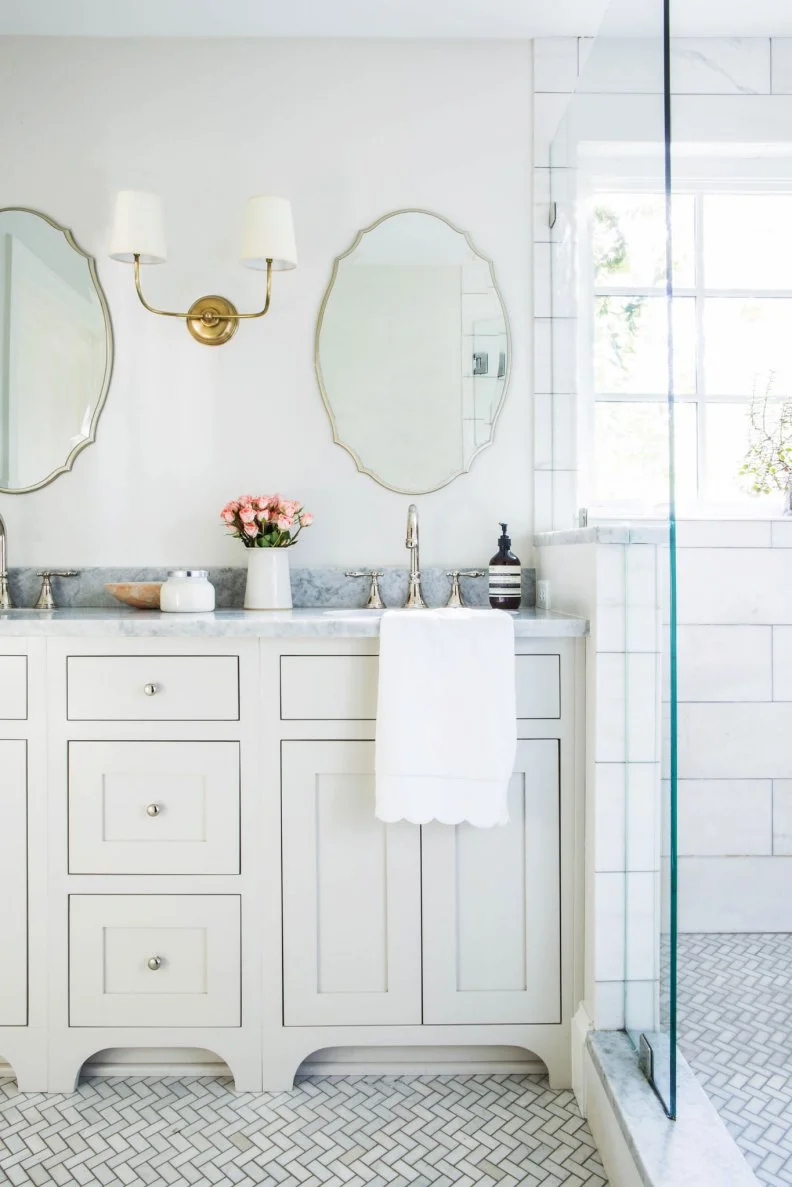
She suggests for a custom look, pick cabinetry with feet. “Nothing says custom like a different base condition on your cabinetry. Inset shaker style cabinetry with feet or baseboard instantly adds timeless charm to any kitchen, mudroom or bathroom. When designing cabinetry in an older home, stay true to styles that are classic and pair with simple hardware. With timeless touches, finishes and details your home will never feel out of style.”
See These Bathroom Vanities You'll Love
More photos after this Ad
Use Vintage Textiles
“Vintage textiles can be found all over Etsy in an array of colors and types. You can repurpose them as window treatments, you can frame them as art or even have them made into pillows. We source vintage Kantha quilts and other types of blankets and quilts frequently to add dimension and layers to a space,” Levenson explains.
See These Window Treatment Tips
More photos after this Ad
Mix-In Heirloom Pieces
Caroline explains the importance of incorporating heirloom pieces into your design. “Natural patinaed pieces are almost impossible to imitate because they have been telling stories longer than most of us have been around. Mixing heirloom pieces with new modern-day items while truly honing in and curating things that reflect you and your life are what make a house a home, especially an older home. Heirloom pieces always accompany a story and, after all, so does your older home.”
How to Incorporate Antiques Into Your Design
More photos after this Ad
Use Native Natural Stone
“When designing older homes, we always default to natural stone that will naturally age with the home and the people within it. Stone that is native to your area is time appropriate for older homes when other man-made materials were not available. With the modern advances made within the industry, the dupes are getting better and better, but nothing quite looks or feels like natural stone in an older home,” she says.
See the Pros and Cons of Granite vs. Marble
More photos after this Ad
Paint Clawfoot Tubs
Looking for an updated look to a classic design? Try painting your clawfoot tub. “Painted tubs are so fun," says Levenson. "Painting the bottom of your clawfoot cast iron tub is such an easy and inexpensive way to add a dash of color and spruce up any bathroom with little commitment.”
See More Freestanding Bathtubs
More photos after this Ad
Add Corbels to Cabinetry
“Corbels were originally used as a structural element in traditional architecture and are widely used in bespoke cabinetry to add charm and character. Use corbels for a mantle above the range, shelves or even under the outlying edge of the upper cabinets to add interest and character in an older home," she explains.
See More Cabinet Styles and Trends
More photos after this Ad
Use Millwork as Backsplash
Not only can tongue and groove be a more inexpensive option to tile, it can also be a beautiful installment in an older home. "Instead of defaulting to tile for a backsplash, take familiar elements from your home and translate that to the backsplash," Levenson explains. "If your home has millwork, think of adding tongue and groove as your backsplash and paint it the color of your cabinets or even a contrasting color to add depth and charm. The look of tongue and groove comes in many different sizes and price points. Whether it’s a sheet of beadboard or the original tongue and groove that is installed piece by piece, millwork can elevate any space and make it feel like it’s been there since the home was built."
See These Bathroom Vanity Backsplash Ideas
More photos after this Ad
Lean Into Small Spaces
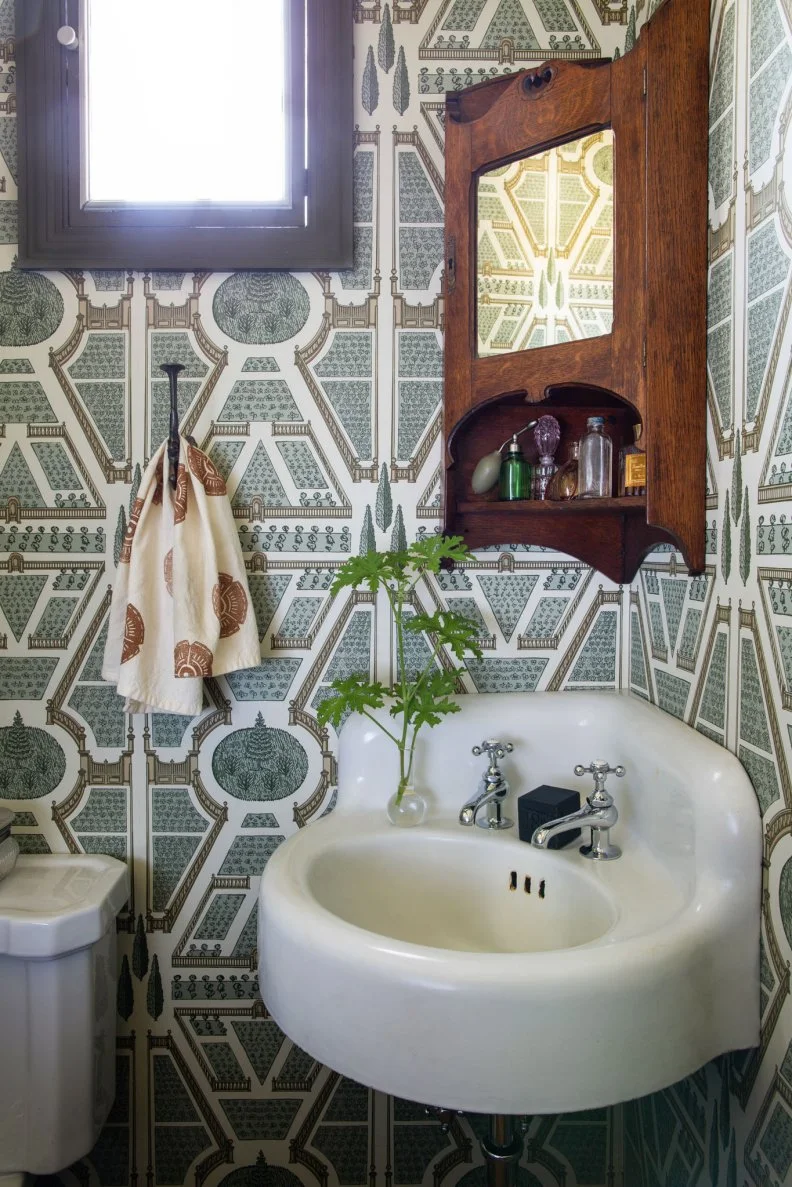
“Small spaces are a designer’s best friend, so embrace them," Caroline Levenson explains, "If you want to pack a huge punch for a small amount of money, explore the spaces that often get overlooked because they’re small. Powder rooms, pantries, laundry rooms, foyers and mudrooms are great places to start. With small spaces you can lean into that funky wallpaper, the hardware that’s a little pricier and possibly refinish items that were original to the home.”
See These Punchy Powder Bathrooms
More photos after this Ad
Paint Trim a Contrasting Color
“Older homes typically have an extensive amount of millwork, usually very detailed depending on the time period. We normally keep stained wooden trim original, but if the millwork has already been painted, contrasting trim can bring attention to the millwork while the walls can be a softer tone to enhance the hierarchy of detail,” she explains.
See More Painted Trim Ideas
More photos after this Ad
Get Creative With Built-in Spaces
Caroline Levenson and design associate Raven Ulmer say to get creative with the existing space by utilizing built-ins. “Older homes either have quite a bit of storage or not enough, and when you are modernizing an older home to accommodate the way people live today, you can get creative with otherwise wasted space. Whether that it is the addition of a built-in desk in a nook that is unused, built-in bookcases in a study or aside a fireplace, custom wardrobes in bedrooms or even cabinets inset into a bathroom or hall wall, built-ins are a functional way to add storage as well as old world character to an older home.”
Check Out These Beautiful Built-Ins
More photos after this Ad
Add Wallpaper
“Wallpaper is a transformative way to add visual interest to a space and can be especially fun in small areas where space is limited. Carefully chosen wallpaper can visually expand the dimensions of a space and create the illusion of airiness and depth depending on how you want the space to feel. Opting for patterns that echo the era of your historic home can evoke a sense of continuity, seamlessly integrating the space into its historical context,” Levenson and Ulmer explain.
See These Timeless Wallpapers
More photos after this Ad
Incorporate Saturated Paint Colors
Do not be afraid of more moody and saturated paint shades, explain Caroline and Raven. “In centuries past, paint colors were derived from natural pigments, minerals and organic materials, creating a subdued and earthy palette. Earthy tones, like ochre, sienna and raw umber were common and used in historical homes for their ability to complement architectural elements and materiality. Using saturated paint colors in your home pays homage to the past, while breathing new life into your older home."
See the 2024 Paint Color Trends
More photos after this Ad
Stain a Wooden Island
“When designing your kitchen, introducing a wood-stained island can be an intriguing way to bring dimension to your space. We like to mix finishes in older homes to incorporate layers and balance. When designing cabinetry, we are always mindful of the floor condition. If the perimeter cabinets have been painted with base molding around the bottom, we choose to design the island with a contrasting leg condition to look more like a furniture piece that has been placed. For example, the island can sit on tall legs allowing seating or storage underneath. The difference in leg conditions as well as the introduction of wood allows the island to resemble an heirloom that will patina and age with time just like your older home," they say.
Check Out These Gorgeous Kitchen Islands
More photos after this Ad
Embrace Curiosities and Found Objects
“Older homes are not for the faint of heart. Most of the time, they require a love for older things that far exceeds monetary value in the realm of restoration, but the charm and character encapsulated in an older home is unmatched, just like what you choose to collect and decorate it with. When we are styling older homes, we love to embrace the oddities that may otherwise not be as widely used as decoration, like family heirlooms, musical instruments and tools, treasured books or even natural curiosities from your travels. Think outside of the box and keep your passions and collections close to create a sense of connection to the environment that resonates with historical sensibilities," they explain.
See More on How to Style Your Built-Ins






.jpg.rend.hgtvcom.196.196.suffix/1738869389274.jpeg)