Next Up

How to Add a Lived-In Look to Your Garden

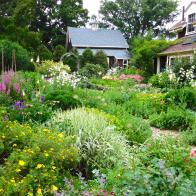
Natural. Timeless. Relaxed. Gardens that look lived-in are trending as more of us crave beautiful outdoor spaces that are easy to maintain and delightful to use.

Price and stock could change after publish date, and we may make money off these affiliate links. Learn more.
Scroll For More Photos
1 / 21

Lived-In Gardens Are Blossoming

Trendspotters such as Garden Media Group are seeing a move toward lived-in gardens — casual, comfortable places to relax and connect with nature. Whether they're open to the public or in our own backyards, these gardens are lovely, tranquil and timeless. Surveys show that younger gardeners, like millennials and Gen Z, are influencing this style, which is more personal and eclectic than the formal, traditional gardens past generations grew. The appealing, lived-in garden look is about more than aesthetics. Home buyers want instant beauty and privacy; Virginia Tech researchers found that a well-landscaped home could see up to a 12.7% increase in property value — think as much as $38,100 on a $300,000 property — with large trees adding $1,000 to $10,000 each. It's easy to embrace the lived-in trend and enjoy a seasoned garden that doesn’t demand a lot of fuss and bother. Read on to learn how.

More photos after this Ad

Photo: ProvenWinners.com
2 / 21

What is a Lived-In Garden, Exactly?

Alex Betz, Plant By Number landscape designer, says "Lived-in gardens feature plants (that look) as if they have been growing there for a long time, with elements evolving gradually." Instead of being highly manicured, "they emphasize a sense of comfort and casual beauty where everything feels natural rather than perfectly trimmed or structured." This hillside garden with large, flat rocks and terrraces offers visitors a place to sit and enjoy a variety of low-maintenance flowers and foliage. The plants spill effortlessly over the rocks and spread naturally into cracks and crevices.

More photos after this Ad

3 / 21

Start With Good Bones

If you don't already have a garden, or yours seems too formal, there are shortcuts you can take to get a more natural style. "You can cultivate a lived-in feel in one season," says Linda Vater, Southern Living Plant Collection garden designer. "Start with ‘good garden bones.'" These are things that give structure to your garden and remain after the flowers and foliage have finished, like mature trees and shrubs. They can also be walls, paths, pergolas, boulders, gates, arbors, garden sheds and other kinds of hardscaping. "Elements like larger caliper trees, trellises and fencing instantly add dimension, texture and privacy," Linda adds.

More photos after this Ad

Photo: Photo by Janet Loughrey
4 / 21

Mix, Layer and Plant Densely

Once you’ve identified or added some structural elements, it's time to plant densely. "Fill every nook and cranny with shrubs, perennials and annuals of various sizes" for a lived-in look, Linda says. "Use a mix of tall trees, medium-sized shrubs and low-growing plants to create depth and a more natural look. Try combinations of shrubs like 'Sunshine' Ligustrum, Firechief Arborvitae and Suntastic Peach Abelia to provide an evergreen backdrop filled with layers of contrasting colors and textures." When designing landscapes, Alex creates lush layers with taller plants in the back and incorporates a variety of species to enhance visual interest and promote biodiversity. This small entryway garden has a multi-level tapestry of color that looks good in all seasons. Japanese maples, sentinel yew and evergreen clematis add height. The colors of the tulips, wallflowers and 'Crimson Queen' Japanese maple echo the home's burgundy trim.

More photos after this Ad

Let Diverse Plants Grow Organically

Lived-in gardens allow many kinds of plants to mix and mingle. "Let plants like wildflowers or herbs self-seed and spread naturally to add an organic, spontaneous touch that mimics nature's unpredictability," Alex says. He recommends a combination of mature perennials, shrubs and trees and colorful annuals so the garden looks more natural than carefully curated and styled. This garden, created by Danilo Maffei of Maffei Landscape Design, casually mixes coneflowers (Echinacea purpurea) and Shenandoah switchgrass (Panicum virgatum 'Shenandoah') for a late summer show.

More photos after this Ad

Photo: Shutterstock/David Peperkamp
6 / 21

Choose Fast-Growing Trees and Shrubs

If you're creating a lived-in garden from scratch, make up for lost time by planting large, mature trees and shrubs or those that grow quickly. Linda recommends Lombardy Poplar (Populus nigra 'Italicia'), known for its narrow, stately shape and fast growth. "It can reach 40 to 60 feet in a few years." Silver Maple (Acer saccharinum) is another good choice that matures quickly and forms a broad canopy. "Its beautiful, lobed leaves provide shade, making it ideal for creating a welcoming outdoor space." Willow Oak (Quercus phellos) has a graceful, willowy appearance and also adds shade to a lived-in garden. Shrubs like Panicle hydrangeas (Hydranegea paniculata) offer a romantic touch with their airy, loose flower clusters. For three seasons of flowers, choose easy-care, evergreen shrubs like Encore azaleas, which rebloom in spring, summer and fall.

Top Fast-Growing Trees

More photos after this Ad

Photo: Flowerbulb.eu
7 / 21

Plant a Bulb Lawn

Mow? No. Lived-in gardens invite you to relax and enjoy them, not work constantly. Skip the chore of mowing every weekend by growing a bulb lawn. Horticulturist Peggy Anne Montgomery, representing Flowerbulb.eu, explains, "Bulb lawns come from a centuries-old practice in the Netherlands. Landowners planted hundreds of early spring flowering bulbs in front of their estates, called Stinzen gardens, and many still exist today," Peggy says. "In a new twist, homeowners are planting in a similar style, incorporating a variety of bulbs that will flower in succession for several months. It’s a great benefit because it increases the gardening season, but the bulbs also provide an important early source of nectar and pollen for pollinators. Best of all, no gardening skills are needed."

More photos after this Ad

Photo: Flowerbulb.eu
8 / 21

How to Care for a Bulb Lawn

For flowers in the spring lawn, start your bulbs in the fall. For a natural look, scatter crocuses, daffodils, grape hyacinths or other small, perennial bulbs at random in a location that doesn’t get a lot of foot traffic. They'll need full sun and well-drained soil to become established and rebloom in the following year.

In general, plant the bulbs three times as deep as their height with their tips facing up, or follow the planting directions on their labels. Gently cover them with soil or compost, replace any turf you removed and water them in. Don't mow until the flowers fade. After the foliage dies and turns yellow, you can start mowing again.

More photos after this Ad

Photo: Shutterstock/Beekeepx
9 / 21

Let the Grass Go (A Little)

If you just can't give up your lovely, green lawn — and some of us can't — you can still get a lived-in garden look. "Let the lawn grow a little longer between mowing," Linda says, or incorporate spring bulbs, clover or low-growing wildflowers into your existing grass. "Always monitor for invasive species, as these can quickly take over a yard." Herbs can grow freely, too, tumbling and leaning on each other in a lived-in garden. This narrow footpath through tall grass bordered by yellow flowers is kept lightly mowed for easy access to the garden.

More photos after this Ad

Photo: Shutterstock/Julie julie
10 / 21

Bring In Antiques and Reclaimed Items

Think beyond plants and give your lived-in garden a feeling of having evolved over time by including meaningful items. Add an antique accent table to hold drinks and snacks, a vintage garden bench softened with a cozy (and slightly worn) throw or old rattan chairs with sentimental value. Display potted herbs, flowers and foliage plants in mismatched baskets. Build a platform from reclaimed wood or salvaged pavers to elevate your bench and position it against a backdrop of greenery to make a secluded, inviting retreat.

More photos after this Ad

Photo: Shutterstock/nnattalli
11 / 21

Embrace Salvaged Elements

Vintage brick or stone walls, aged statues, old picket fences, antique garden signs, rustic plant markers and chipped concrete urns are just a few items that add natural charm and a casual feel to lived-in gardens. The rough texture of this wall makes a stunning backdrop for a Virginia creeper vine (Parthenocissus quinquefolia) when its foliage changes from summery green to autumnal reds and golds. Linda uses fast-growing vines — as well as creeping and trailing groundcovers — to add a finishing touch to lived-in gardens.

More photos after this Ad

Photo: Shutterstock/Maren Winter
12 / 21

Use Weathered Woods

Not every lived-in garden has to be solely devoted to ornamental plants. This garden of edibles used weathered, worn wood to make a raised bed, so the chef can keep fresh sage, parsley, oregano and rosemary close to the grill or kitchen. Can't find old boards or used shipping pallets? You can buy new wood with imperfections and use a variety of techniques to make it look discolored and distressed, but don't put a lot of work into this. It's easier and cheaper to salvage something from an old barn or shed and closer to the spirit of this style. Be sure you're not using any wood, new or old, that's been treated with chemicals when you're growing edible plants.

More photos after this Ad

Photo: Courtesy Bonnie Plants
13 / 21

Substitute Groundcovers for Grass

Another option for a lived-in garden look: plant groundcovers instead of grass, or use groundcovers in selected areas to reduce lawn work. Perennial groundcovers don't just provide color and interest throughout the growing season, they can also help control erosion and suppress weeds that sprout when the weather warms up. Creeping thyme (Thymus serpyllum), shown here, forms woolly mats that are rugged enough to walk on and release a pleasant scent when crushed underfoot. Other environmentally friendly, easy-to-grow groundcovers include ajuga, Vinca minor (also called periwinkle), Lamium (or deadnettle) and creeping Jenny.

More photos after this Ad

Photo: Shutterstock/Asmini Mauliyawati
14 / 21

Add a Green Patina

Instead of fighting the moss that likes to grow in your garden's humid, shady nooks or on your walls, stones and pavers, consider yourself lucky. Soft, fuzzy moss adds a charming green patina to gardens and naturally ages pots and outdoor surfaces. "Moss-covered boulders and mucked-up pots amplify the lived-in look," Linda says. Don't let moss or algae grow where they can make walking surfaces slippery and hazardous. If necessary, remove the slick stuff and give the area more sunlight and air circulation to discourage its return.

If you're a moss-poor gardener, age your pots, bricks and garden statuary by tossing a couple of handfuls of fresh moss into a blender and processing it with a cup of buttermilk and a cup of water. When the mixture is smooth, brush it onto a slightly moistened surface. Encourage your moss to thrive by misting it with water as needed.

More photos after this Ad

Photo: Shutterstock/LeaAndMe
15 / 21

Don't Stress Over Small Stuff

Part of the beauty of lived-in gardens comes from their imperfections, says Alex. Unexpected surprises and even a few flaws make gardens feel authentic, seasoned and real. "Embrace imperfections by letting some plants grow a little wild or leaving small patches overgrown to create a more natural and spontaneous environment," Alex says. "Avoid over-pruning or deadheadling every single flower to add a sense of natural life. Combine well-established plants with newer additions for a balanced look." A bonus: Leaving dried seedheads can provide nourishing food in the off-season for hungry birds and small animals. Plants that self-sow can also increase your garden when they sprout next year.

More photos after this Ad

Photo: Debbie Wolfe
16 / 21

Leave the Leaves

"Cultivating a lived-in landscape is a great excuse to let the garden go, figuratively speaking," says Linda. "Leaving spent flowerheads and leaves to overwinter can add rustic charm." While you save money on buying yard waste bags, you’ll also help creatures that overwinter in your lived-in garden. According to the National Wildlife Federation, salamanders, caterpillars and other kinds of wildlife use fallen leaves for habitat. As the leaves decompose, they add nutrients that improve the soil. Need a natural mulch? Chop up dried, fallen leaves with your lawn mower and use them around plants like these raspberry vines. It's also fine to just rake the fallen leaves into a corner of your lived-in garden and let nature do the rest.

More photos after this Ad

Photo: Bailey Nurseries, Inc.
17 / 21

Cut Back on Pruning

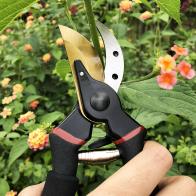
Any number of vines, trees, shrubs and other plants grow nicely without a lot of pruning, although it's true that most benefit from being cut back to control for size and shape or to encourage more flowers. Just go easy on the pruning in your lived-in garden. This garden style doesn't call for a lot of work, and overdoing it detracts from the natural, casual look you're going for. Boxwoods (Buxus spp.) are slow-growing, low-maintenance shrubs valued for their compact size and small, evergreen leaves; let them grow in loose mounds or use them as backdrops for colorful flowers. Linda suggests planting 'Baby Gem' boxwoods en masse for a lush, textured look that lasts year-round. Their relaxed shape doesn't require a lot of upkeep. This boxwood, 'Green Velvet', has a naturally rounded shape if left unpruned.

More photos after this Ad

18 / 21

Let Plants Trail, Twist and Tangle

A clematis vine mingles happily with a climbing rose in this lived-in garden. Let vines, trailers and climbers like mandevilleas, passion flowers, crossvines, trumpet vines, morning glories, moonflowers and others weave together and wind their way over arbors, trellises, fences, garden sheds and other structures, or allow them to cascade over walls and drape over branches. They'll add color and character to your garden and help camflouage unwanted views. For best results, grow plants with the same basic needs for sunlight and water. Linda recommends fast-growing cleyera varieties like LeAnn Cleyera for a backdrop of colorful flowers and glossy, deep green to marooon foliage.

More photos after this Ad

Photo: Shutterstock/IZZ HAZEL
19 / 21

Include Small Treasures

A lived-in garden is a perfect place to display small treasures, like a fountain found at a garden center, a rusty watering can repurposed as a container for small garden tools or a timeworn sundial. This style embraces sentimental items and your personal taste. Go for an eclectic look, if that's what you like; lived-in gardens are meant to be authentic. Small treasures can also be living things, like passalong plants that you value for their sentimental connection. Fragrances can be subtle treasures. "Infuse the nostaglia of a cozy garden with the classic scene and crisp white blooms of gardenias," Linda says. Varieties like Jubilation Gardenia, a shrub with large, white flowers, glossy green leaves, add an intoxicating scent.

More photos after this Ad

Photo: Shutterstock/Molly Shannon
20 / 21

Add Movement with Ornamental Grasses

Ornamental grasses with cascading growth habits add relaxed beauty to lived-in gardens. This Mexican feather grass has a soft, layered effect and flows gracefully over some fuchsia petunias in terra cotta pots. Japanese Forest Grass (Hakonechloa macra), which is a perennial, is another good candidate for a beautiful, flowing look and gives a sense of movement to the garden.

See These Terrific Tall Grasses

More photos after this Ad

Photo: Mars Vilaubi
21 / 21

Grow Your Connection to Nature

There's no "one size fits all" when it comes to lived-in gardens. Plant a garden of vegetables or an orchard of fruit trees; a wildflower meadow; beds and borders of bulbs, annuals and perennials; a woodland garden; butterfly garden; rock garden; or container garden. A front entry garden like this one gets a lived-in look from masses of airy, willowy wildflowers that border the walkway. It delivers color, attracts pollinators and follows Linda's advice to use plants that grow quickly, soften hard edges and don't need a lot of pruning.