









Caring for Different Fabrics
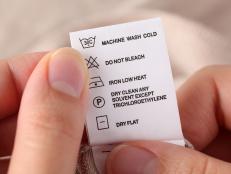
Read the labels and then follow the guidelines to care for the range of fabrics in your closet.
- Excerpted from Houseworks, by Cynthia Townley Ewer
- A
- A
- A
Print Options
CloseE-mail This Page to Your Friends
xSuccess!
A link to %this page% was e-mailed
DK - House Works © 2010 Dorling Kindersley LimitedAcetate
Acetate is a man-made fiber, often found blended with other fibers to create beautiful, easy-to-drape clothing. Acetate and acetate blends clean up well, but can be very sensitive to dye transfer. Check the care label, and then wash garments containing acetate fibers in cold water.
Acetate is a weak fiber and can be damaged by twisting, wringing or heat. Hand-wash acetate blends, or use the gentle cycle of the washer for machine-washable garments.
Iron garments containing acetate using a low-heat setting. Press on the wrong side and use a press cloth to avoid shine and preserve the beauty of the fabric.
Cotton
Cotton is a worldwide favorite for comfortable, versatile clothing. A natural fiber, cotton can be found in garments as casual as a T-shirt or as elaborate as a ball gown.
Cotton fibers will shrink unless the fabric has been preshrunk or processed, so start with the care label. "Cold water only" may signal that your ankle-length cotton trousers will convert themselves to capri pants if not washed correctly.
Cotton items that are preshrunk may be washed in hot, warm or cold water, depending on the color of the garment and care label recommendations.
If care labels agree, add chlorine bleach to white cotton wash loads to remove stains; colored cottons may be brightened by nonchlorine bleach formulated for colored clothing. Cold-water washing will protect the deep color of cotton jeans, and preserve the pep of brightly colored Hawaiian shirts.
Overdrying cotton will encourage shrinkage; dry cotton garments at a lower heat and remove them from the dryer while still fairly cool.
Linen
Linen is a natural fiber, made from the flax plant. Check care labels on linen garments to determine whether the garment must be dry-cleaned. If machine-washable, wash according to label instructions, using water appropriate to the garment's color. Linen absorbs more water during the washing process than other fibers, so guard against overcrowding in the washer and dryer. Iron linen from the inside out, using steam at a hot iron setting.
Polyester
The last century's "wonder fiber," polyester creates colorful, durable, easy-care garments. Most polyester fabrics may be machine-washed using warm water, but check care labels first.
Tumble-dry polyester garments on low heat. Remove them from the dryer while still slightly damp to prevent wrinkles and avoid a static buildup. If ironing is required, use a low heat: polyester will melt beneath a hot iron.
Silk
Supple, strong and lustrous, this natural fiber is among the world's oldest clothing materials. While silk fiber itself is washable, many weave patterns used for silk fabric will tighten or pucker if washed, and deep dye tones may not be color-fast.
Let garment labels guide you when cleaning silk garments. "Dry Clean Only" signals a fabric or construction that will not survive washing. Launder washable silk garments using products formulated for hand-washing or delicate fabrics. Mild baby shampoo (without conditioning additives that may add wax or oils) is a good choice for hand-washable silk fabrics. It will clean the natural protein and revitalize the fiber.
Never tumble silk in the dryer. Instead, roll the item in a towel to press out moisture, and then hang to dry. Press silk garments with a warm iron.
Spandex
A touch of stretch makes clothing fit and feel better. Enter spandex, an elastic fiber now incorporated in small amounts in many types of fabric to add stretch and comfort. While spandex is hand- or machine-washable, avoid hot water and chlorine bleach. Both will damage the spandex fibers. Unless care labels provide otherwise, hang spandex garments to dry, and avoid machine drying.
The heat of the dryer can cause some spandex-blends to pucker or bubble. If ironing is necessary, press the item quickly with a warm iron.
Wool
Sheep love it, and we do, too: the soft, warm fiber made from wool. Naturally insulating and easy to dye, wool fabric runs the gamut from rugged tweeds to floating wool challis.
In the natural state, wool is washable, but because many wool garments incorporate construction methods that cannot be washed, dry-clean wool clothing where the label requires. If washable, use a gentle detergent and hand- or machine-wash as directed by the clothing care label.
A tip from a venerable Shetland Islands' knitter: wash and rinse wool fibers in lukewarm water. Using cold water to rinse can cause shrinkage when it comes to wool.Excerpted from Houseworks, by Cynthia Townley Ewer
Text Copyright © 2006, 2010, Cynthia Townley Ewer, extracts from Houseworks, reproduced with permission from Dorling Kindersley Limited
We Recommend...

Caring for Furniture
Use these tips to care for your furniture and it'll look its best for years to come.
Caring for Beds and Mattresses
Whether heaped with pillows or minimally spare, beds, mattresses and bedding will stay in top shape with these tips.
Easy, Cheap and Green Cleaning Tips for Floors
Make your floors look like new again with these simple techniques for cleaning tile, hardwood and vinyl.
See Also:
From our Sister Sites:
- How to Care for Different Types of Fabrics (from DIY Network)
- Tips for Cleaning and Repairing Gutters (from DIY Network)
- Tips for Choosing and Caring for a Lawn Mower (from DIY Network)
Shop Homekeeping Products
Shop homekeeping products from organizers to cleaning supplies and more