


Crackle Paint Technique
Create cracks in paint to reveal the color underneath with these step-by-step instructions.
Crackle medium creates large and small cracks in a top coat of paint to let the base coat show through. It looks like a clear paste and has the consistency of paint. Craft stores sell it in small containers, and paint stores sell it in 1-quart and 1-gallon containers. Here's how to apply it:
Materials and Tools:
satin- or semigloss-finish paints
crackle medium
paintbrush (for latex paint)
roller and roller cover with ¼-inch nap
drop cloths
masking tape
Steps:
- Select a satin- or semigloss-sheen base-coat paint that will contrast with and show through the cracks in your top coat nicely. Apply the base coat to your project surface, allowing the paint to dry at least overnight.
- Use masking tape to mask off any part of your project that you don't want to crackle. With a brush (or a brush and then a roller, depending on the size of your project), cut in the edges and roll on the crackle finish. Allow the crackle finish to dry (read the manufacturer's directions for drying time and any additional instructions or recommendations. Note: For small projects such as flowerpots and picture frames, you can do this step all at once. For larger projects such as furniture and walls, work one section at a time.
- Apply the crackle finish two ways with a natural sea sponge (which gives you small, random hairline cracks) or with a paintbrush (which creates much bigger cracks that generally flow in the direction you brush). Note: If you choose to use a brush on a wall, you're going to get a workout.
- Starting in a corner, apply the top coat. You need to work quickly, and once you've applied paint to a section, you need to move on, because the crackling will begin immediately. If you go back and apply more to an area or run the brush through it again, you'll erase the cracks. When blending brush strokes into a previously painted section, don't blend too far or you run the risk of pulling the crackle finish off the wall.
Next Up
How to Properly Paint Your Home's Exterior
Give your house a fresh, updated look with exterior paint.
How to Paint a Faux Marble Tabletop
Real stone surfaces out of your price range? Get the look of Carrara marble (for way less) with our easy DIY.

Top 10 Ways to Paint Like a Pro
For a professional-looking paint job, do what the experts do.

Give Your Entryway Design a Bold Makeover Inspired by 'Windy City Rehab'
Take a cue from Windy City Rehab and give your home's entryway a bold makeover with a painted accent wall.

Read This Before You Paint Your Front Door
So, you’re ready to paint your front door. Whether it’s just a touchup with a favorite hue or an entirely new shade that will grace your entrance, take note of these helpful hints before you pick up your brush.

How to Design a Bold Home Bar Inspired by 'Windy City Rehab'
Skip the trip downtown this weekend and build this bold in-home bar inspired by Windy City Rehab instead.
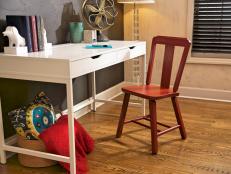
How to Paint Wood Furniture
Learn how to strip, sand and paint wood furniture.
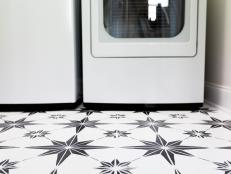
How to Paint & Stencil Ceramic Tile
Remodeling on a budget? Give outdated floors a refresh with our step-by-step guide to painting and stenciling ceramic tile. All you need are a few basic supplies and a free weekend to totally transform the look of a laundry room, bathroom or other place in your home that's plagued by old or dirty tile. The best part? You can do it all for less than $75 and without special equipment.
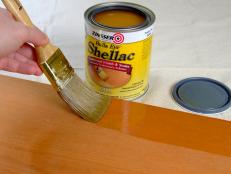
What's the Difference Between Polyurethane, Varnish, Shellac and Lacquer?
These terms for a finish or top coat are often used interchangeably, but there is a big difference. Learn when and where to use the correct one.
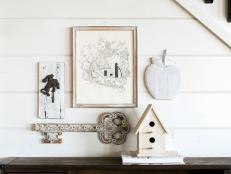
How to Whitewash Wood: Whitewashing and Pickling Techniques
Easily brighten and add rustic charm to furniture and a variety of wood surfaces with these budget-friendly whitewashing and pickling techniques.