

How to Create a Successful Hardscape
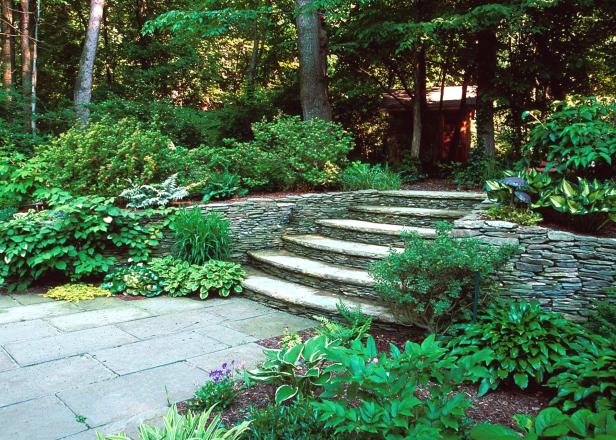
Hardscaping is an attractive feature and offers many appealing options, from a rustic stacked wall to a fully developed outdoor living room and kitchen. Once you've decided to create an outdoor space, you must plan carefully to meet your hardscaping goals.
"Research really pays off, especially when you consider that a fixed object in the landscape is not going to move easily — and you don't want to put in a lot of effort and then have your materials or design fail within a couple of years," says Samuel Salsbury, a member of the Association of Professional Landscape Designers and partner with Sabrena Schweyer, APLD, in Salsbury-Schweyer, an Akron, Ohio-based landscape design group.
By following these simple tips and avoiding some common mistakes, you can create hardscaping you'll love for years to come.
Consider the Landscaping
As much as you can, consider the entire area available to you for hardscaping before you design an element, even if you're just tackling one space for now.
"At the bare minimum you should plan a design for the whole area, or consult a professional to create a design for you," Samuel says. "If you don't consider the site comprehensively, it's like building one room of a house, and then a year or so later, a second room. You may decide to plop down a patio, and then decide you want a barbecue, pond or walkway and the patio blocks your plan."
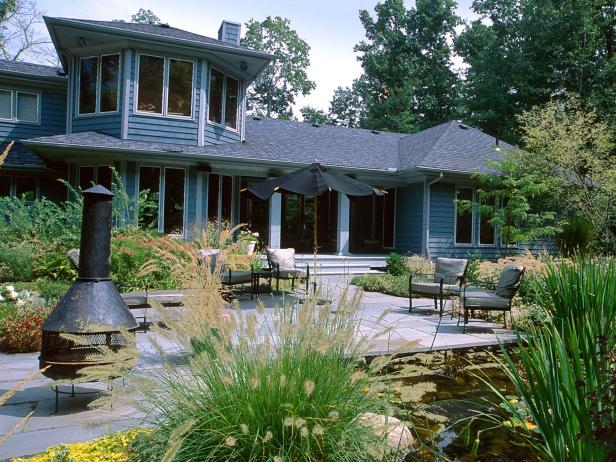
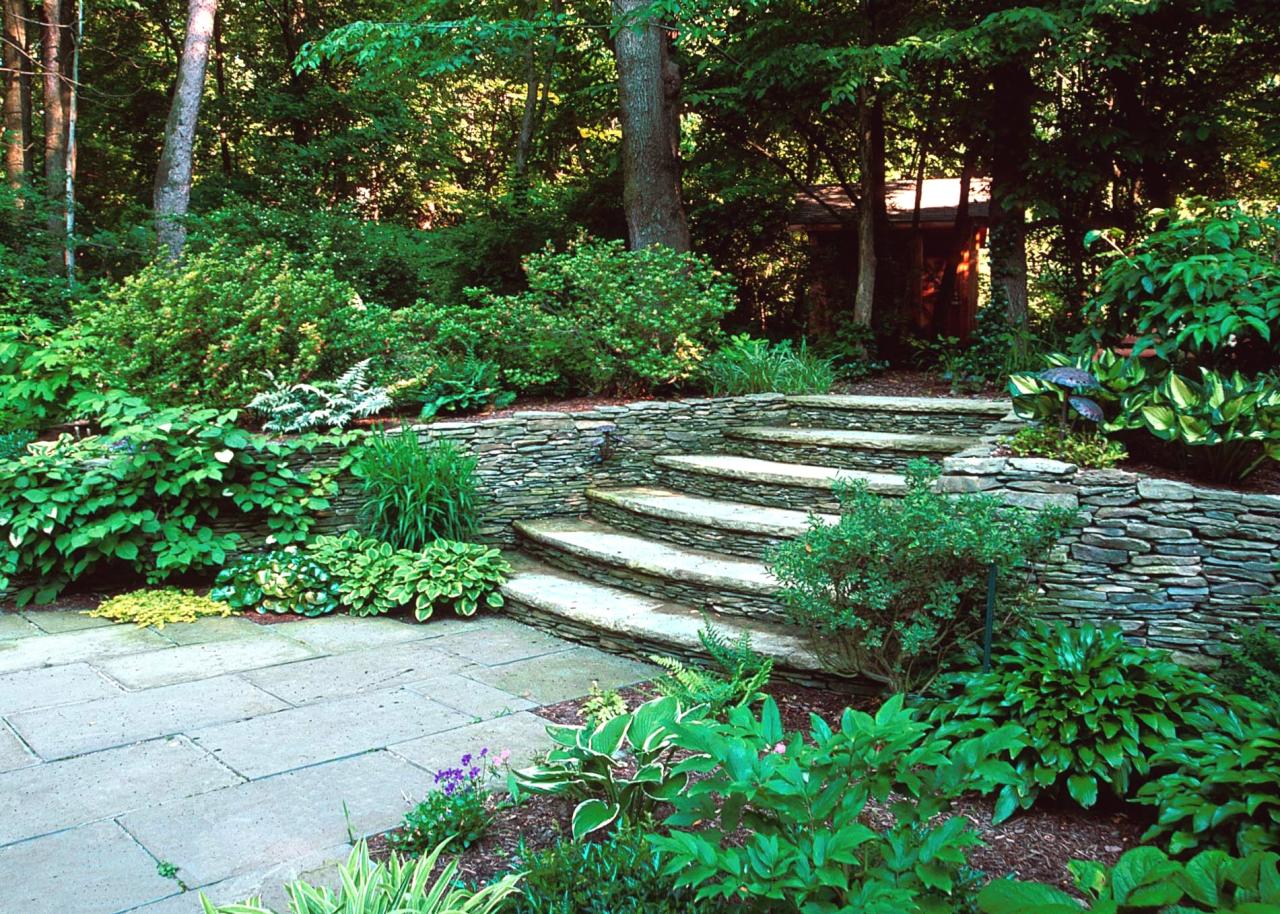
Image courtesy of Salsbury-Schweyer
Delve Into Draining Issues
Samuel says he's seen more hardscapes messed up by people ignoring drainage requirements than by all the other errors combined.
"You must plan how the drainage will be affected when you place, say, a wall or a patio," Samuel says.
There's also an environmental consideration, says Weston, Wisc. landscape designer Susan Murphy. "You should plan runoff so you can capture the water and use it on site, instead of letting it hit that concrete and go down the drainage pipe."
Develop a Focal Point
"You want the eye to travel toward a destination, and one or two visual elements that make you pause, either visually or literally, like a weeping evergreen with an Oriental lantern," Susan says.
Choose Balanced Elements
Susan's pet peeve? "Boulders that are supposed to be helping to naturalize an area, but instead have been dropped right on top of the ground and are sitting there like dinosaur eggs," she says. "To successfully use boulders in hardscape, you need to make sure they're large enough to fit with the scale of the landscape, and bury them deep enough so they look like a naturally-occurring element."
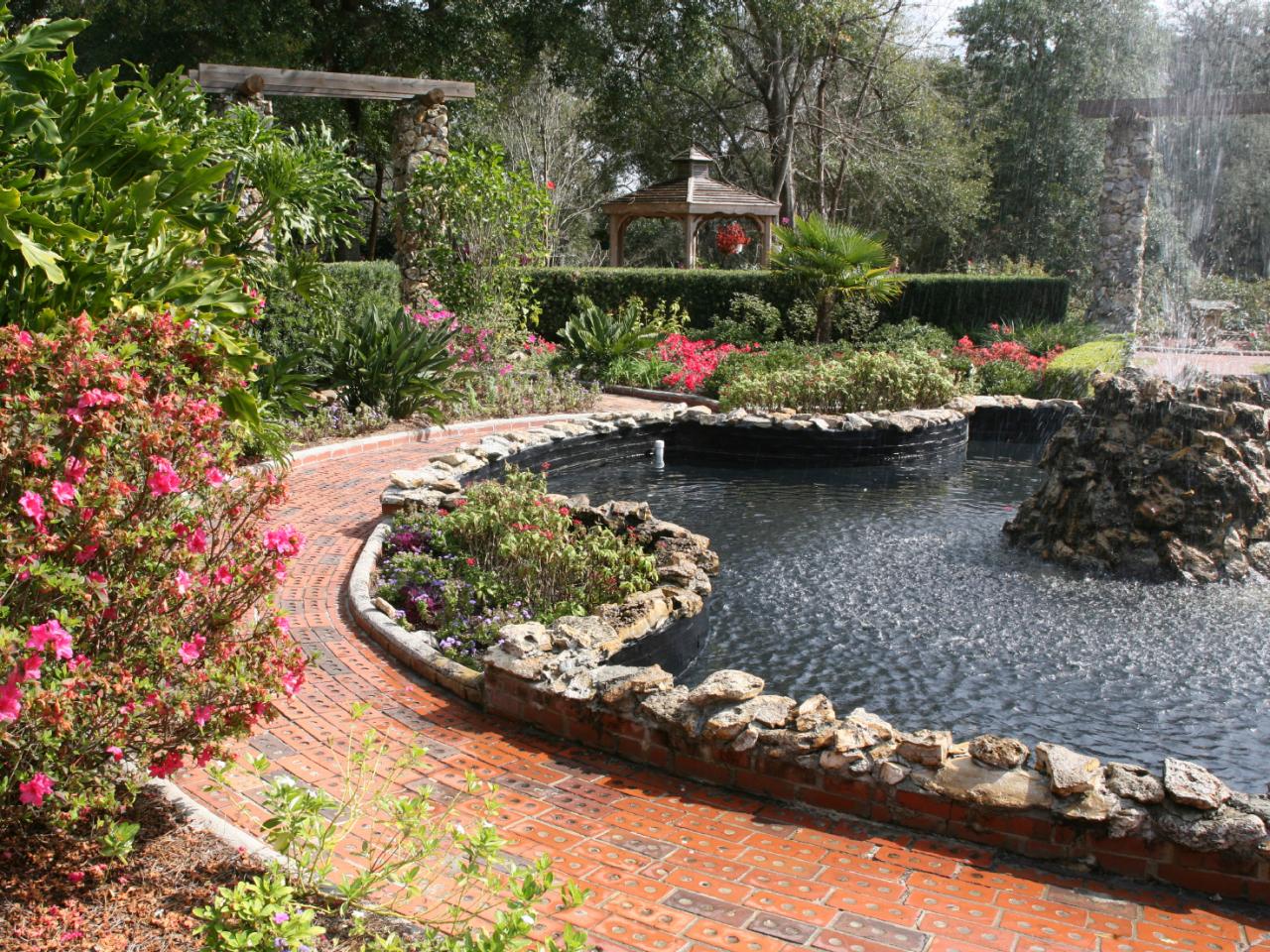
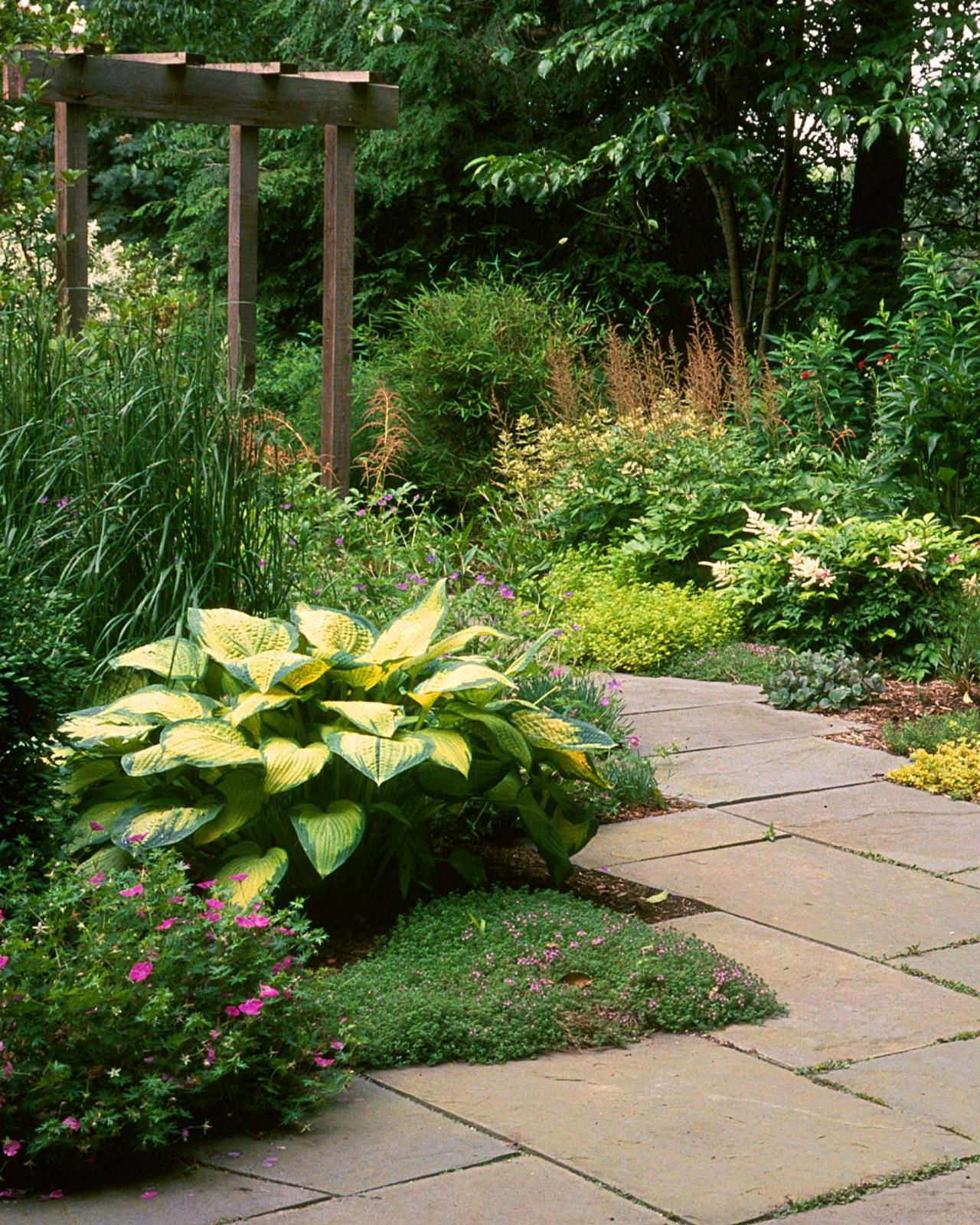
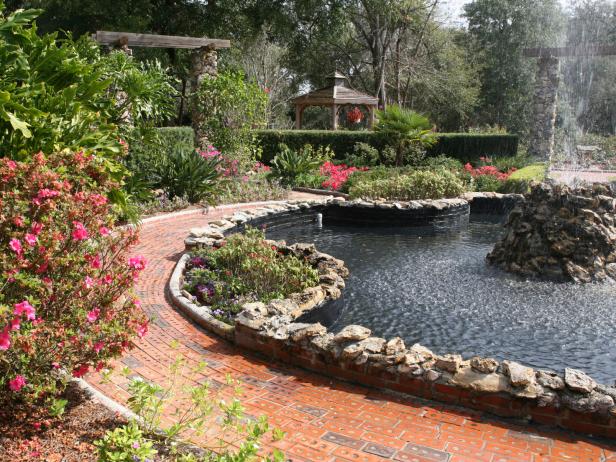
Too-linear elements can create the same unnatural feel, says Sabrena, a certified landscape designer. "I see way too many people plop in a straight or L-shaped sidewalk, or stick a linear or rectangular patio or deck on the back of the house without giving further thought to the natural lines of the space," she says. "You should try to include curves and shapes in a way that the hardscape elements transition gracefully into the rest of the landscape."
Keep the Greenery
Sure, you see all-stone or concrete areas in the Southwest, says Susan, but there the focus on hardscapes can be a matter of necessity, not a trend to follow. "Southwesterners sometimes have to have a hardscape without greenery due to the strong sun and too little water," she says. Everyone else, she says, should definitely include ample vegetation in relationship to hard surfaces.
Barbara Pleasant, author of Garden Stone: Creative Landscaping with Plants and Stone takes the idea even further. "You can have a beautiful backyard comprised of a hardscape framed by shrub and flowerbeds, but keeping a small swath of lawn is a good idea," she says. "Grass is a safer playing surface for children, and a patch of turf will help cool down the landscape on hot, sunny days."
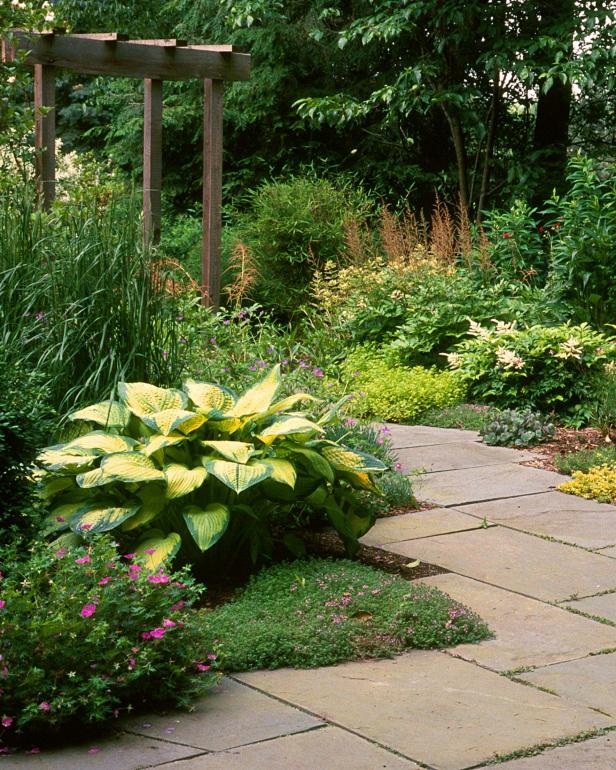
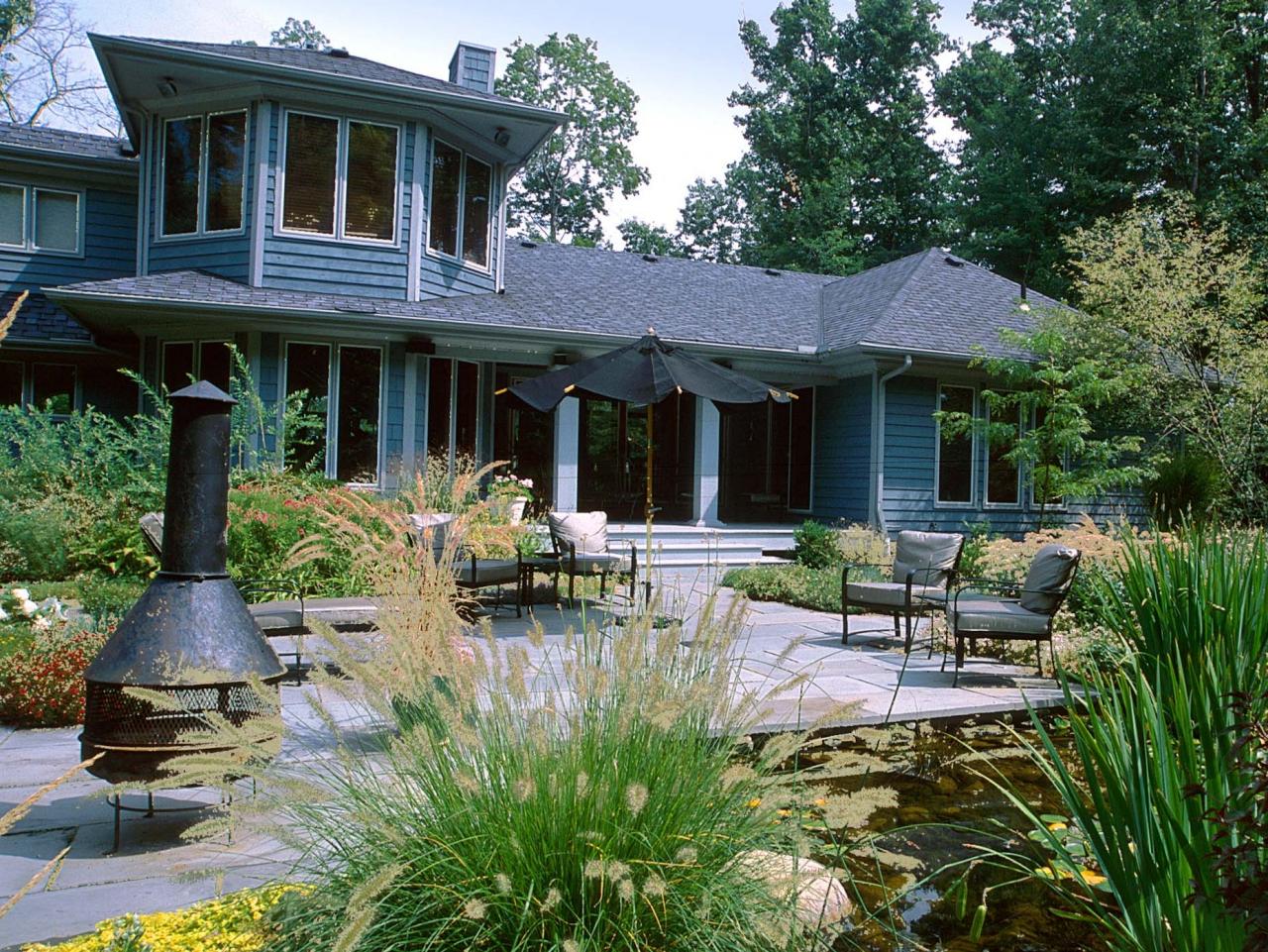
Image courtesy of Salsbury-Schweyer
Choose Proper Materials for Your Style
"Hardscapes can be relaxed or formal, but the best ones show a well-defined style," Barbara says. "Think of a two- or three-word phrase that describes your vision and stick with it. An intimate courtyard, for example, has little in common with a Grecian garden when it comes to style."
After selecting your style, choose a few materials that complement your home's interior and exterior. You don't want to have to look at a hardscape with all one color or material, Samuel says.
"The idea is to find two or three materials that are visually creative and coordinate not just with each other but with the interior and exterior of the house," says Susan.
Textural variety is important, too, Barbara says. "In most hardscapes, it's OK to have two textures going, for example flagstone underfoot and landscape blocks for low walls, but more than two textures tends to look messy. If a wood deck is part of the picture, try to stick with a single type of stone or brick for your hardscape," she adds.
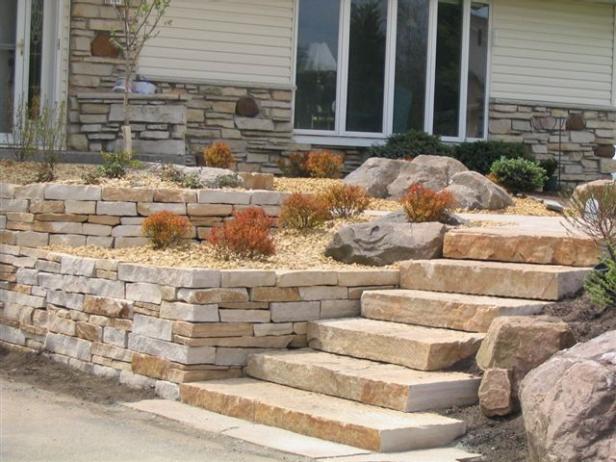
Image courtesy of Susan Murphy
Call In the Experts
Hire a designer or landscape consultant who knows your style. If you do opt for a hired designer or contractor, get recommendations and check portfolios and references, says Samuel.
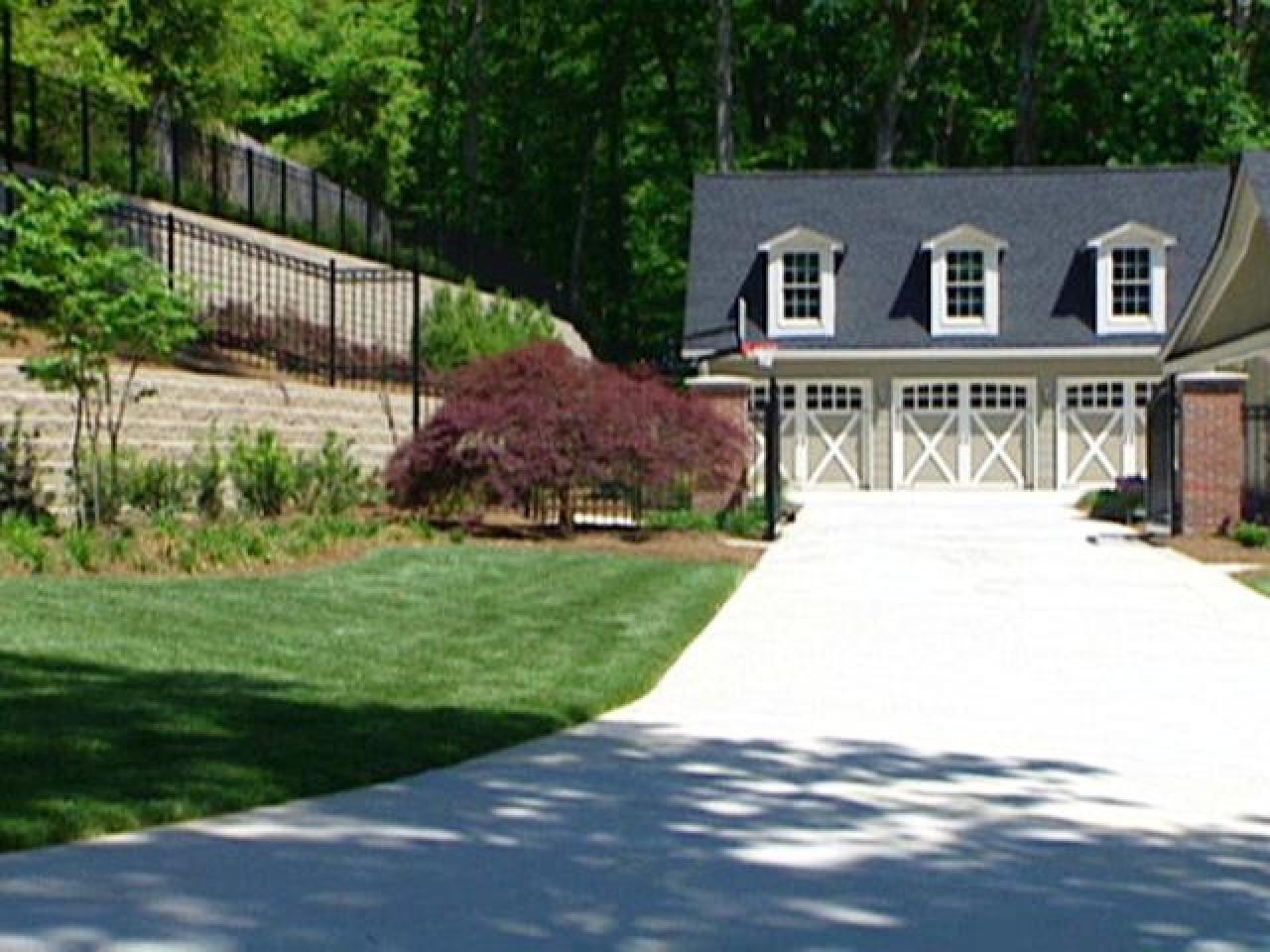
Samuel insists that anyone embarking on a project that involves a structural wall or a hill with stability issues first contact — or have their builder contact — a geotechnical engineer to discuss the implications.
"They can prevent really serious damage, or you get the best case scenario, which is when they come out and say, 'I don't see an issue.'"
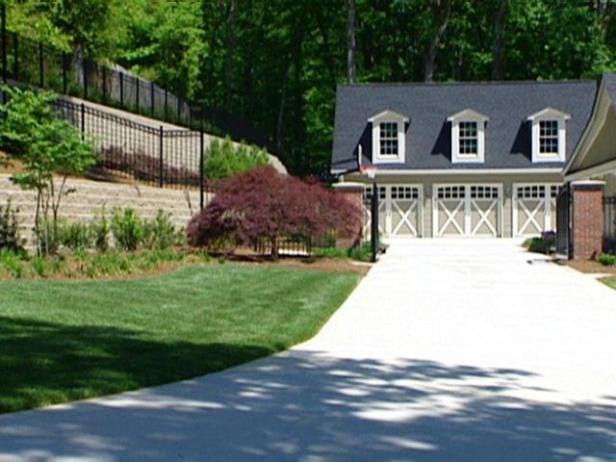
Buy More Than You Need
"Whether you're working with brick, stone or another material, buy a little more than you need for the project," Barbara says. "Later on, you can use the extra materials to accent pretty beds with temporary edgings, or to add steppingstones or landings, knowing these little features will match the dominant hardscape."
"It's rarely a cost-effective strategy just to purchase the least expensive materials or services for a hardscape design — too often you get what you pay for," says Sabrena. "There are a lot of considerations besides price, including how long a material will last and whether it will suit the architecture of your site. It makes more sense to economize by scaling back a project or the number of design elements, with the help of a cost-conscious professional, then to always buy the least expensive materials."
Properly Prepare the Site
"The most common mistake I see people make is putting in a hardscape element without preparing the site appropriately, which is a sure formula for future failure," says Susan. "If you don't put the correct amount of base material down, or compact it well enough, you risk having a wall sink or settle or a patio settle and heave in frost."
Not everyone needs the 4-foot frost footing that's required to withstand Wisconsin winters, but you can determine the specifications in your area by talking to an inspector at your local building authority or contacting the American Landscape and Nursery Association (ALNA) or your state landscaping association.
Samuel says, "People who aren't skilled tradespeople think, 'If I can't see it, it's not worth spending the money,' but a level surface to build on and the proper depth for the freeze line are everything in hardscaping. If you don't have them, five years out, your project will be breaking up."