


The Essentials of a Sanctuary Garden
One of the fastest-growing trends in garden design is creating meditative spaces, and that's no surprise to designers.
"The simple fact that so many people are asking for meditation and restorative gardens now is a sign that people need a sanctuary," says Linda Wiggen Kraft, who's been designing restorative gardens for more than 20 years in St. Louis. "People are discovering that they need to bring balance, wholeness and serenity into their lives, and a garden is one of the best ways do that."
So how do you turn your backyard into a lush oasis of quiet contemplation? Here, ideas from the top experts on how to create a deeply personal restorative retreat.

Honor Your Space
To design a garden that's in harmony with its surroundings, start by considering the natural features and resources of the site, says Virginia Rockwell, of Gordonsville, Virginia. "Notice the contours, the wind, the water runoff, the vegetation," she says. "You want the elements of the system to work in harmony with each other to minimize waste and work."
Case in point: In designing an award-winning garden for an estate in central Virginia, Rockwell took as her inspiration a venerable gum tree (Nyssa sylvatica) with an 80-foot canopy. Known by the homeowners as the cosmic tree, it became a focal point for a series of circular gravel paths — perfect for walking meditation — and curved stone walls that mimic both the topography of the Piedmont land and the foundation of the home.
Do you have climbing vines? A terraced hill? A rock wall? A view? Figure out ways to highlight those features and make them "places of rest and visual meditation," says Sarah Susanka, co-author with Julie Messervy, of Outside the Not-So-Big House. If you're starting from scratch and don't have trees or structures to work with, Susanka suggests visiting a stone yard and picking out a boulder you like, or "borrowing" a view from your neighbors. If your property looks out on nearby gardens or is edged by woods or fields, position a bench where you can enjoy the vista and sense of space.
Make It Personal

"I try to match a person's inner landscape with the outer landscape," says Linda Wiggen Kraft, explaining that the concept of a sanctuary is a very personal one, often rooted in where we grew up and the associations we have with different aspects of nature. "I help each of my clients to find the secret garden within themselves by imagining anywhere in the world they feel completely safe and comfortable," she says.
You might remember a clearing in the woods where you lay for hours watching butterflies or a hilltop you climbed to see the view. Either could serve as the inspiration for a contemplative space that would evoke those deeply rooted memories. Sometimes the childhood link can be quite explicit: For a client who grew up in Japan and was nostalgic for Mt. Fuji, Kraft designed a miniature mountain with crushed marble on top for snow.
Plan for Privacy

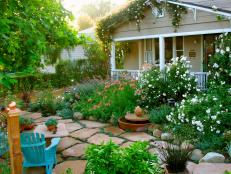
Most of us don't want the postman dropping off packages or the neighbors watching us while we try to claim a few moments of peace and serenity. And interruptions and distractions don't just come from beyond our borders; you may want to screen at least part of the garden from other areas of the yard and from the windows of the house. Think in terms of creating a sense of enclosure and safety, experts say. A trellis covered in lush, leafy vines can evoke our primordial sense of security and protection, while a garden "room" featuring a bench or chair surrounded by lush plantings makes a perfect meditation space free from prying eyes.
Savor the Solace of Sound

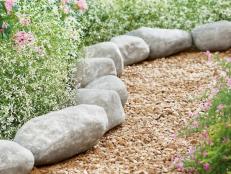
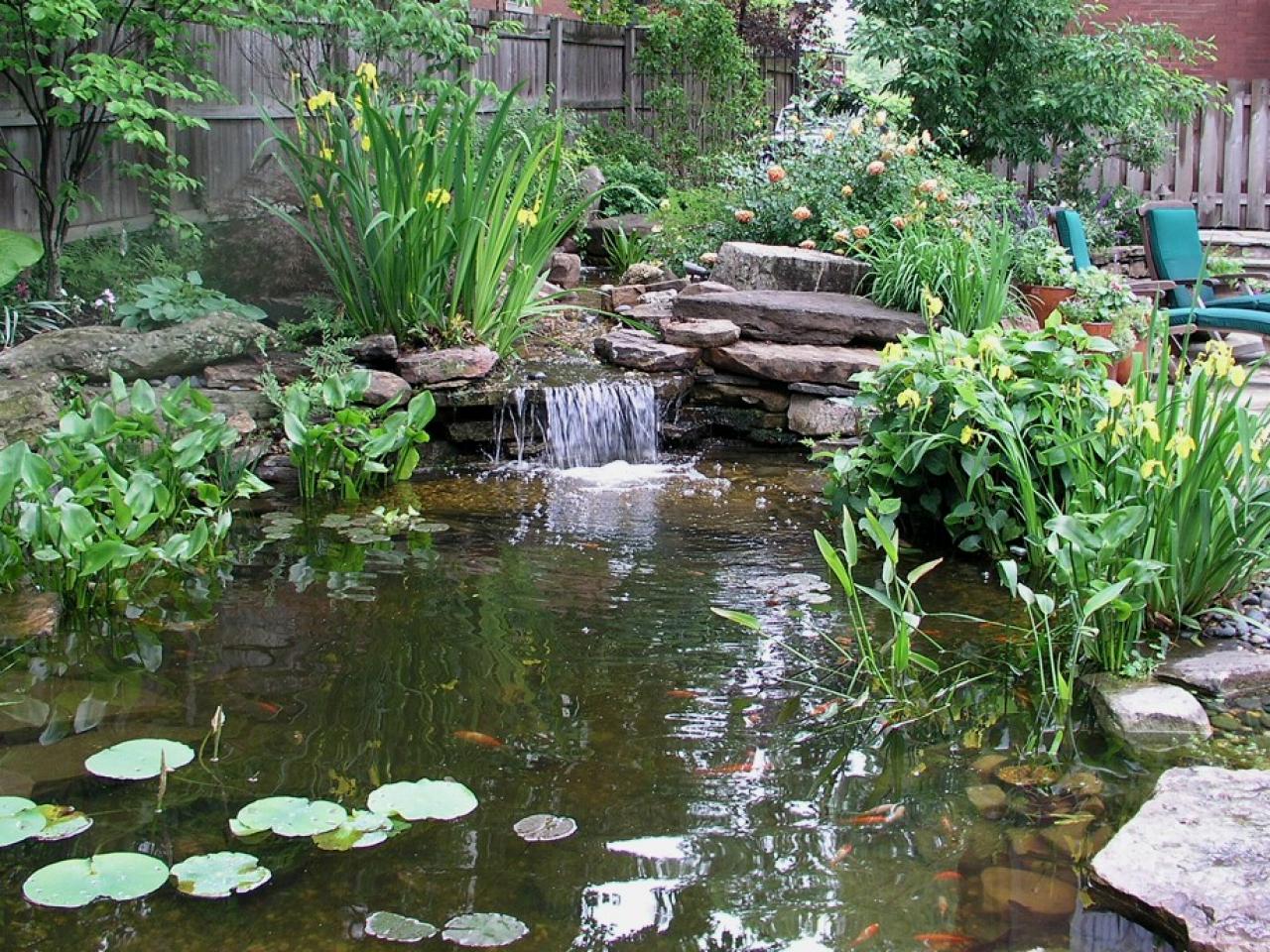
One of the goals of a sanctuary garden is to distract us from the stresses of daily life by stimulating the senses. For this reason, fountains, pools and other water elements are popular features in meditation gardens because nothing soothes as quickly as the sound of burbling water. But if water isn't practical in your climate, don't despair; wind chimes and bells are another way to add the element of sound. Or you can create the illusion of water with a dry streambed decorated with pretty stones or colored glass.
Engage Nature
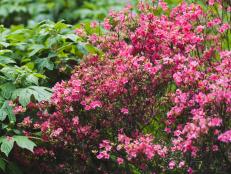
There's nothing like a hummingbird to stop you in your tracks, which is why garden designers often choose plants that attract birds and butterflies for meditation and sanctuary gardens. Other strategies include planting plenty of aromatic plants and herbs as well as plants that echo the history of the landscape around you.
"If possible, choose plants that are native to your area, because it helps people reconnect with the past and with a sense of place," says Marguerite Koepke, professor emeritus in environmental design at the University of Georgia. "When people are surrounded by nature that's familiar, they make a mind-body connection that relieves stress and restores wellness." (See plant lists for each area.)
Gardening as Therapy
As you become engaged in the process of creating your dream garden, you may make a surprising discovery: Gardening itself can be restorative and therapeutic. "Gardening is similar to yoga — it's in the practice of doing that we find respite, recovery and healing," says landscape designer P. Annie Kirk. She says many of her clients, rather than hiring her to design a complete garden, choose to do the bulk of the installation themselves. "Many of my clients come to me to collaborate and be guided through a process that proves to be restorative and healing in and of itself."
—Melanie Haiken, a freelance writer and editorial consultant, lives in San Rafael, California, where she hopes to turn her
garden into a contemplative oasis.