



Keeping Pets Safe: Poisonous Plants
Lots of dogs and some cats chew on plants. Most of the time, there's no ill effect. But some plants — such as elephant ear and yew — can be extremely toxic to pets. Other plants that are much less poisonous create toxicity issues only when large quantities are eaten. With all of these plants, the effect depends on the variety of plant and the size and weight of the animal and the amount consumed. Effects can range from mild oral irritation to poisoning.
If you have a young puppy who nibbles at everything, you'll want to either get rid of a problematic plant or make sure that pet and plant don't come in contact.
Highly Toxic
- golden dieffenbachia
- amaryllis
- philodendron
- peace lily
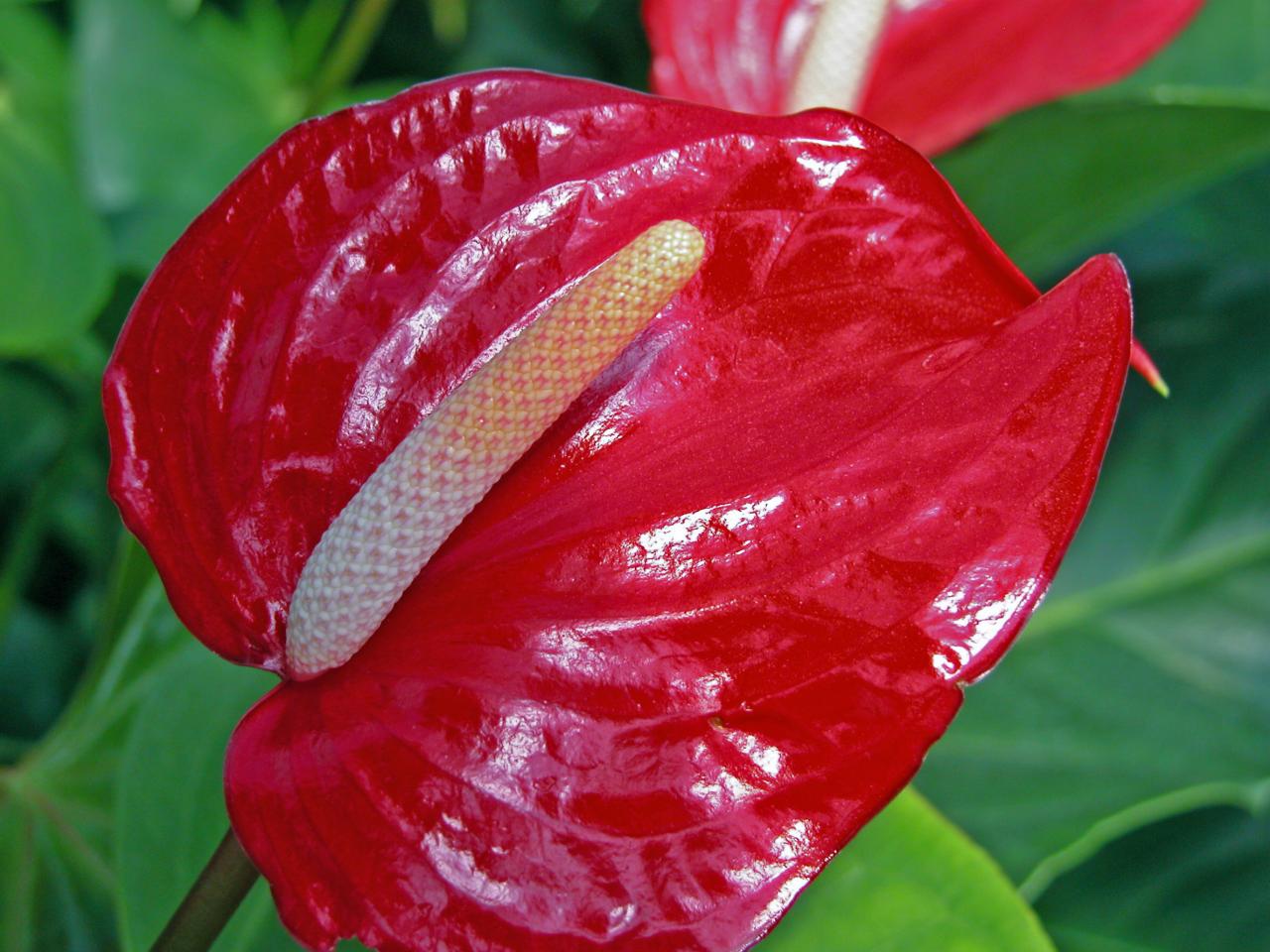
- anthurium
- hyacinth
- lablab (Dolichos purpureus) - pods and seeds
- lupine
- lobelia
- rhubarb - leaves
- pothos (causes severe mouth pain)

Eaten in very small amounts, plants like dieffenbachia, philodendron, peace lily, pothos and anthurium chiefly cause oral and/or stomach irritation.
Moderately Toxic
Depending on the size of the animal, these plants are among those that can create toxicity issues if large quantities are eaten:
- aconite
- elephant ear
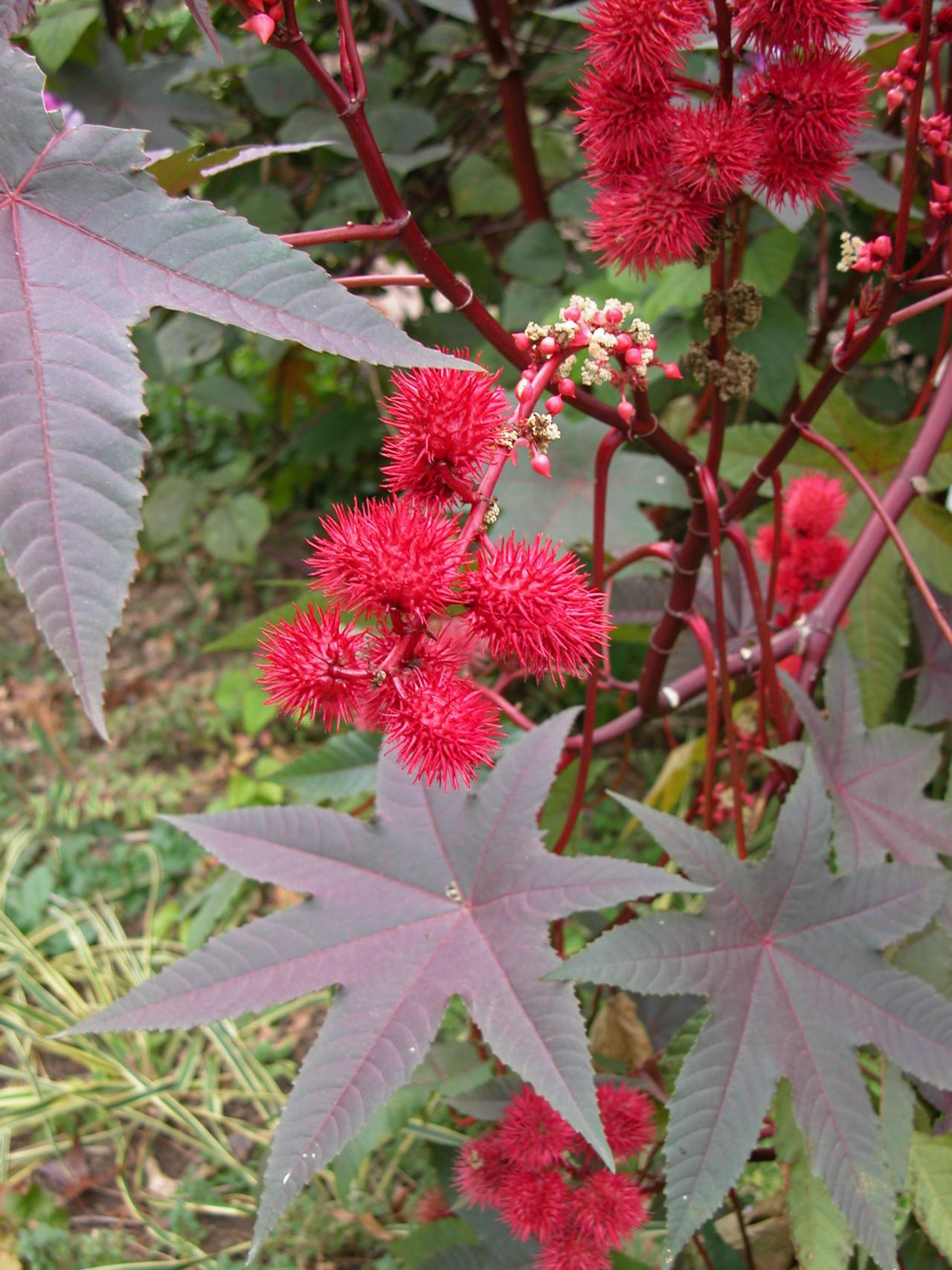
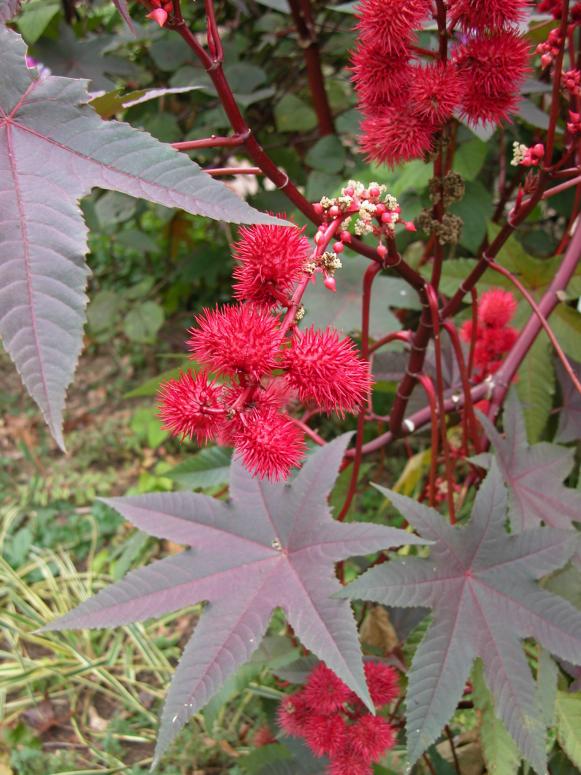
- castor bean - seeds
- foxglove
- lantana
- yew
- delphinium
- rose bay, oleander (Nerium oleander)
- wild black cherry (Prunus serotina)
- daphne - berries
- jasmine - berries
- oleander - foliage and stems
- mistletoe
- Japanese andromeda (Pieris japonica)
- yellow jessamine (Gelsemium sempervirens)
- azalea, rhododendron
- mountain laurel (Kalmia latifolia)
Also watch for:
Cocoa bean mulch. This byproduct of chocolate production contains caffeine and theobromine; both ingredients are poisonous to dogs.
Systemic insecticides. Applying a systemic pesticide will render even a harmless plant poisonous to your pet.