


Plant Diseases
- Excerpted from How to Grow Practically Everything
- A
- A
- A
E-mail This Page to Your Friends
xSuccess!
A link to %this page% was e-mailed
Assess Your Plants
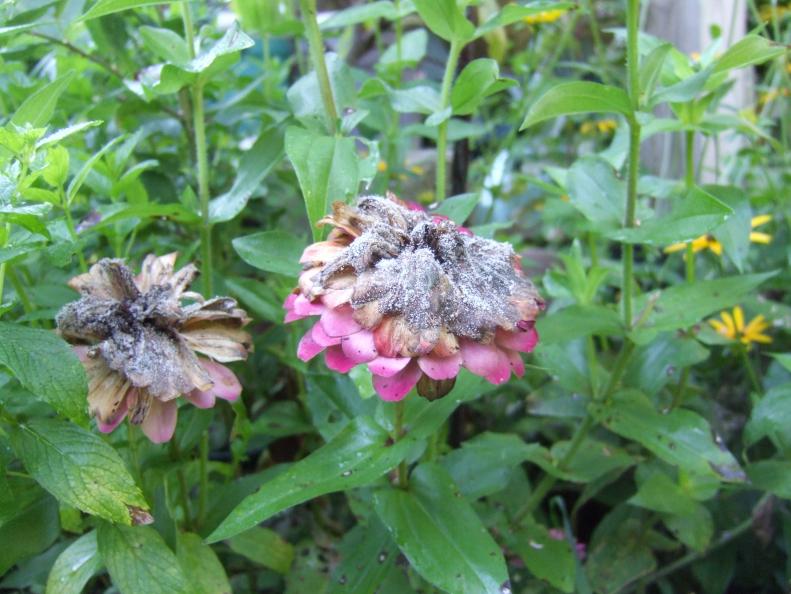
Some plants discolor if not properly hardened off, or if grown at too cool or high a temperature. Leaves may turn white or develop red or purple tints. Starved plants also show leaf discoloration and stunted growth. Viruses are commonly spread by sap-sucking insect pests, such as aphids. Typical symptoms are pale-streaked or mottled leaves, and leaf curling or distortion. Flower petals may also be streaked, and fruit and flower production reduced or growth stunted. Remove affected plants and throw in the trash or burn them.
Brown or blackened shoot tips in spring are signs that a shrub has been scorched by frost. Leave stems to resprout and then cut off the dead material.
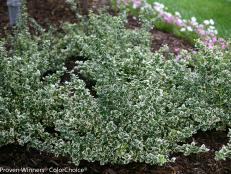
Enlarge Photo+Shrink Photo-DK - How to Grow Practically Everything © 2010 Dorling Kindersley LimitedSome plants, including boxwood, show unusual leaf coloring after a hot, dry summer, or following root damage due to waterlogging.
Enlarge Photo+Shrink Photo-DK - How to Grow Practically Everything © 2010 Dorling Kindersley LimitedTreating Diseases
Taking the right care of your plant patient is an important step toward its recovery. Spraying or removing affected parts all play a part in the process, but ailing plants should also be fed and watered to help them regain their strength. Watch out for pests, which may attack your plant as it recovers, causing it to decline again.
Excerpted from How to Grow Practically Everything
© 2010 Dorling Kindersley Limited
See Also:
From our Sister Sites:
- Clip Art: Topiary Plants for Small Backyards and Gardens (from HGTVGardens)
- Lawn Patrol: Take the pH Test (from HGTVGardens)
- Watering the Lawn: Zones and Other Basics (from DIY Network)
Shop Outdoor Products
Shop outdoor products from fire pits to outdoor furniture, planters and more