


Garden Bed Makeover

A drab all-deciduous border flanks master gardener Paul James' driveway, and he wants to add more multi-seasonal interest by bringing in evergreens and adding rock.
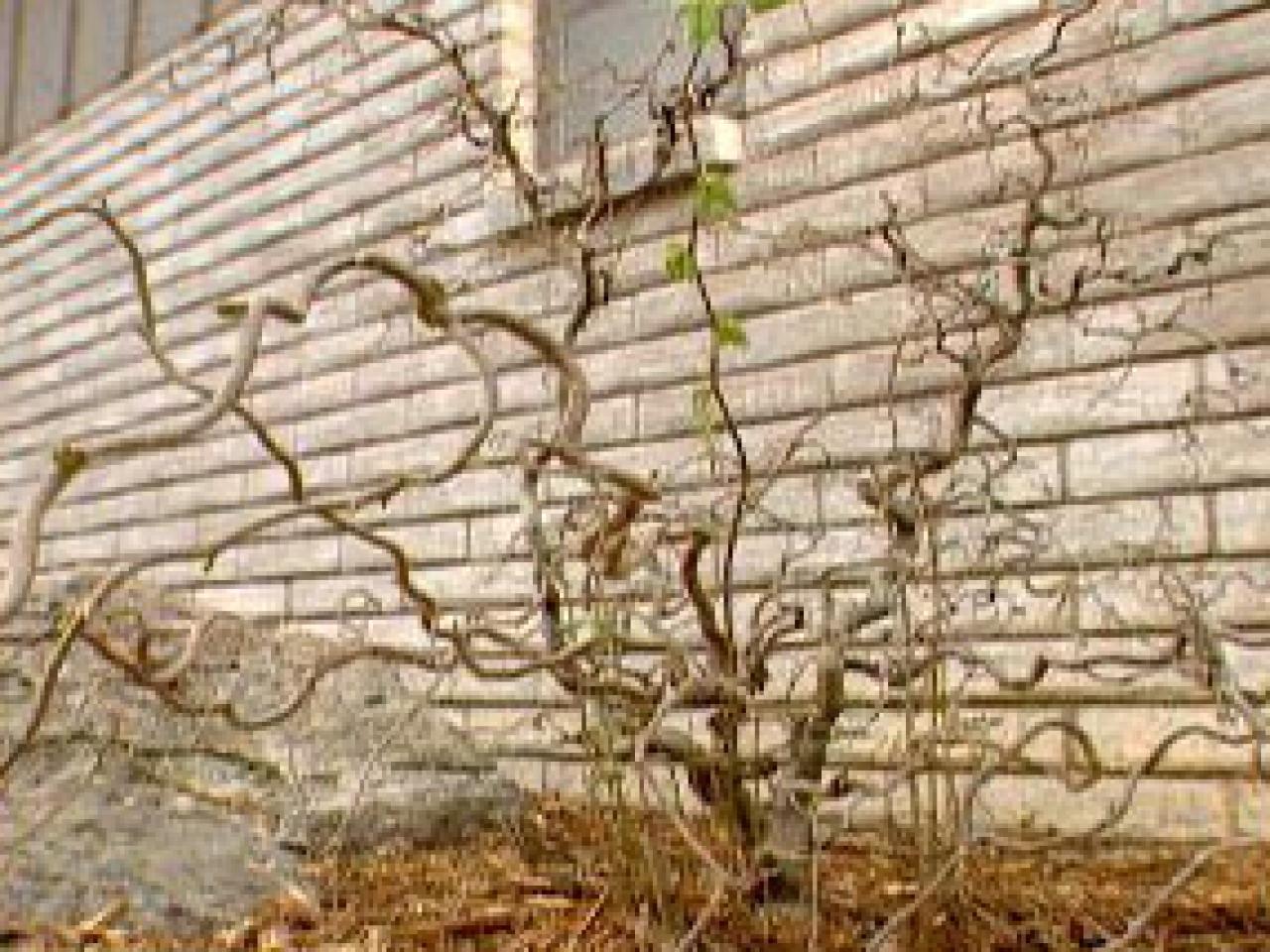
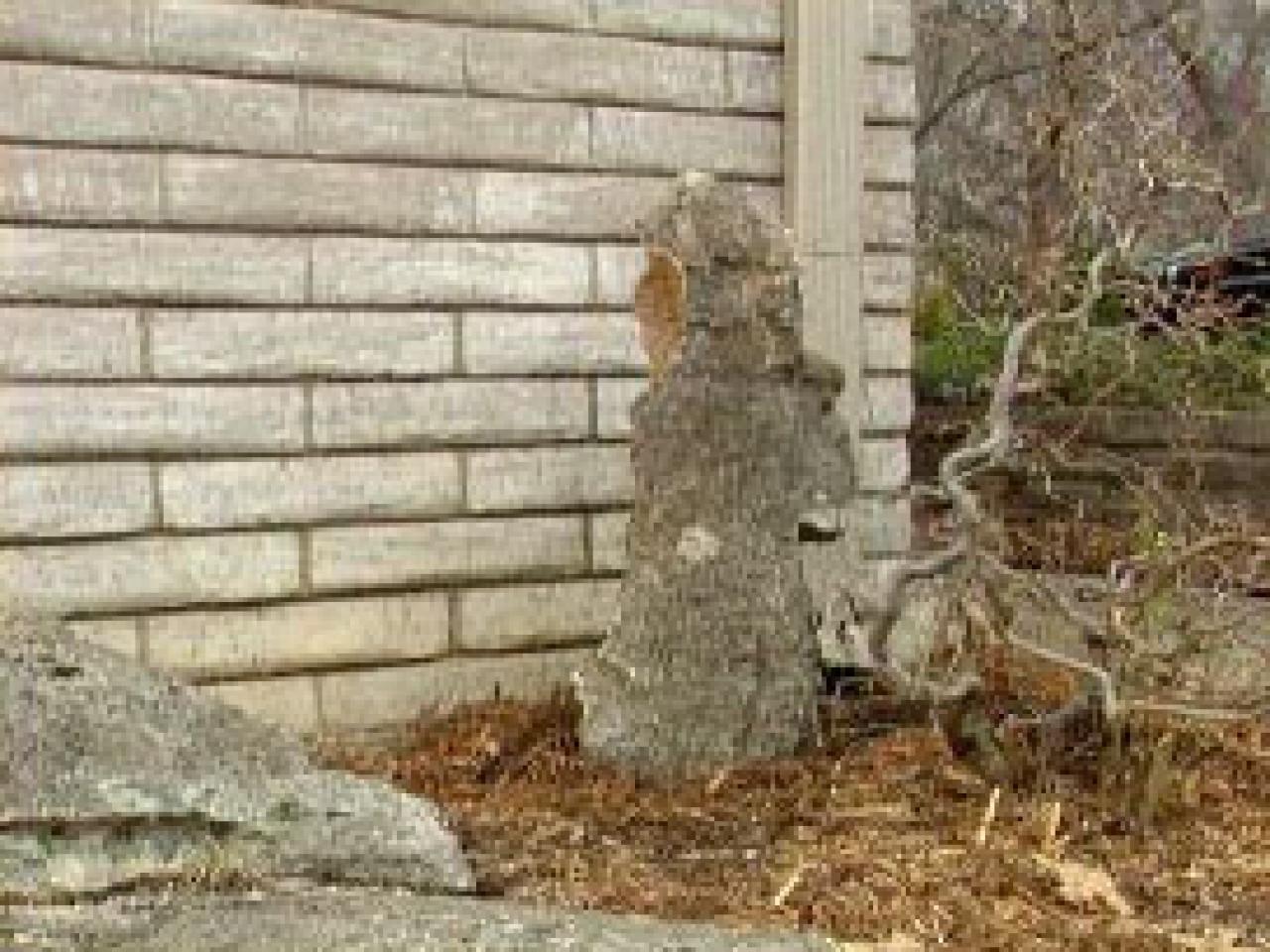
He first relocates the crape myrtles and other plants, leaving only a young Harry Lauder walking stick, or (Corylus avellana 'Contorta'. He also removes English ivy vines from the wall behind and digs out the roots.
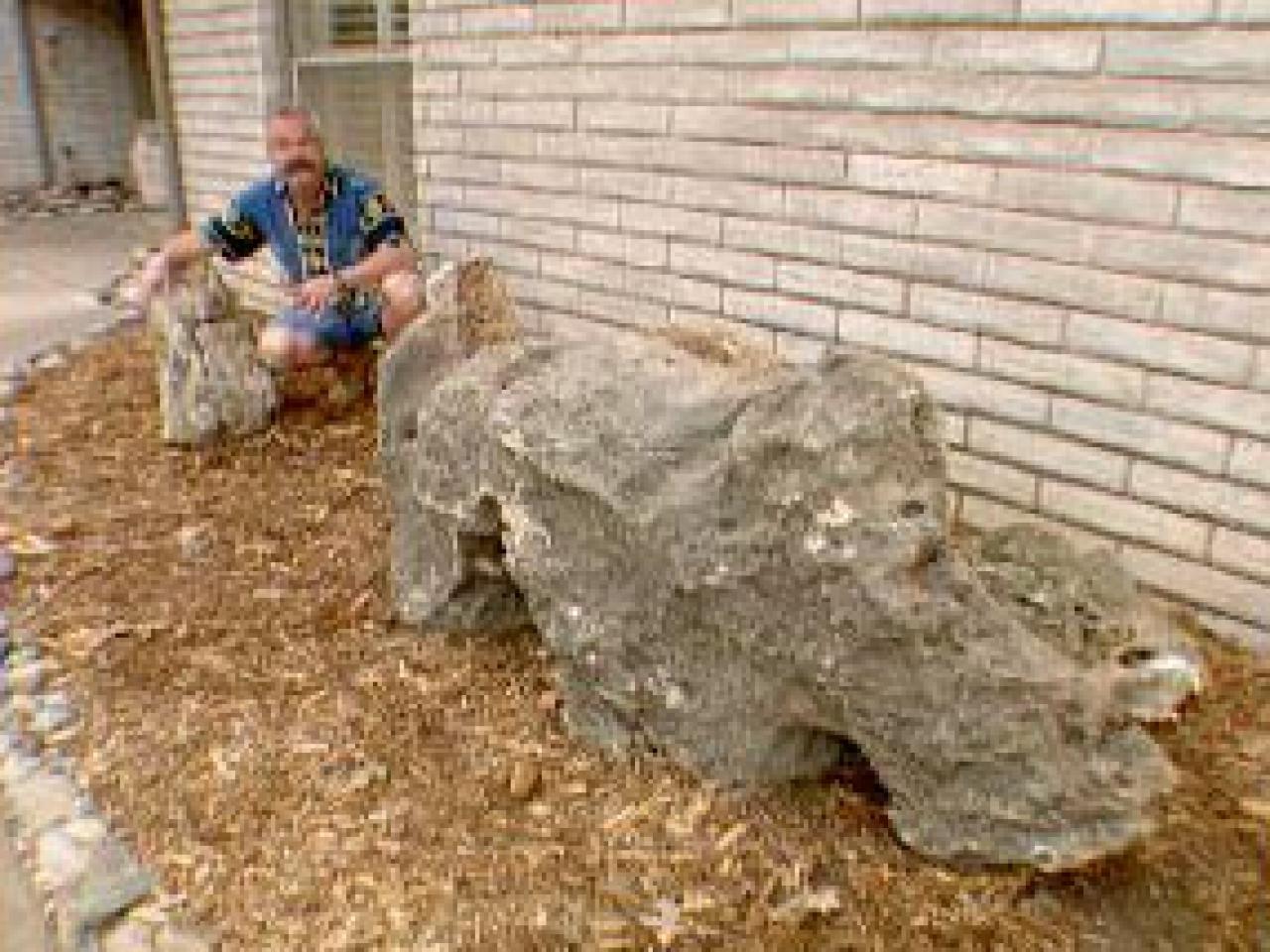
"Since this is an area that everyone, including me, sees when they drive up, I felt like the bed needs a good deal more punch," says James, "so I brought in a few hand-picked limestone boulders."
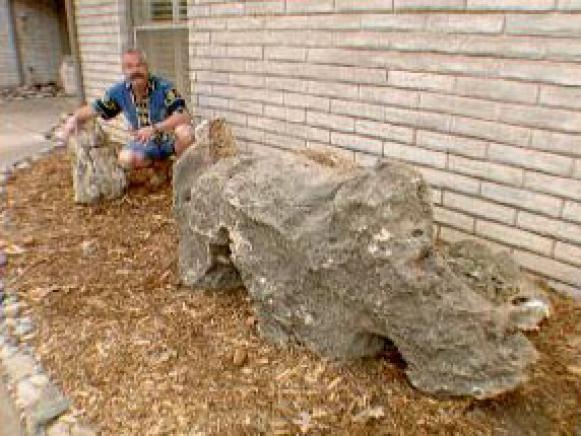
At nearly 4,000 lbs., one boulder reminded him of a mini-mountain range, or perhaps an animal. James selected another boulder not for his shape but for the lichen growing on it. He adds a few more to give the additional interest and add that all important element of depth. James also uses a few small but interesting stones to disguise an ugly dryer vent and gas line.
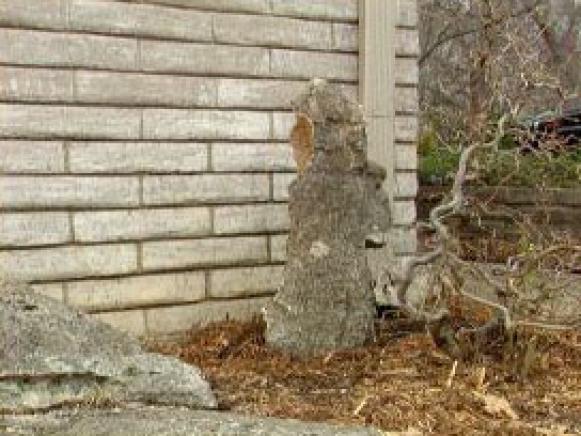
Before setting the first stone, James removes the mulch with a rake and creates a shallow trench in the bed because stones look more natural when slightly buried in the ground rather than set on top of it. With help, James places the rocks in the trench and packs some mulch around them. He positions a stone to draw the eye away from the less than attractive gutter downspout.
Once all the rocks are in place, it's time to select the plants. And to get a sense of where they should go, James uses varying lengths of bamboo canes as plant substitutes. "I just stick the canes in the ground where I think plants might look good and then stand back and decide what plants should go where." Taller canes represent taller plants and a cluster of canes represent smaller plants such as low-growing shrubs.
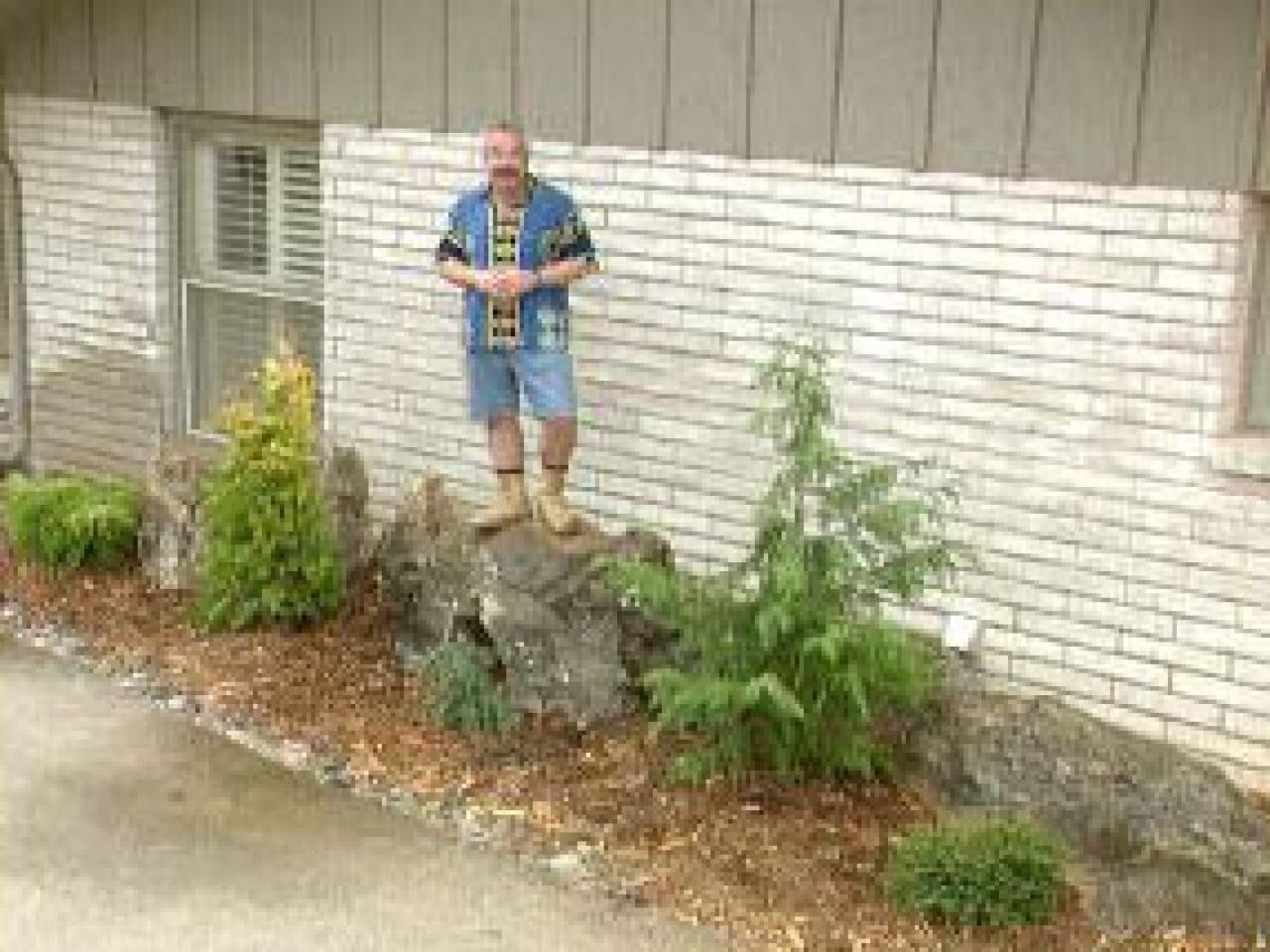
James adds evergreens because he wants the bed to remain attractive even during the winter. "Sure, I'll toss in some deciduous plants here and there as time goes on, but for the moment, when I drive up the driveway, I want to see green." The plants James selects include a weeping Chamaecyparis, a golden arborvitae, a Gold Coast juniper (Juniper chinensis), and bird's nest spruce. James plays around with the placement of the plants, trying them in different spots until he comes up with a look that he really likes. Finally, James adds a dwarf Deodar cedar. He plants all with one-fourth of the root ball is above grade, packs the soil around the root ball, adds mulch, and waters well.

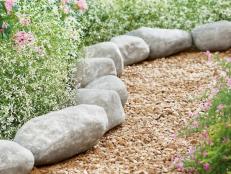
Once the new garden bed is completed, James decides a new border is needed as well. "For years, I've had glacier stones here, but over the years they've gotten stepped on and smashed down into the dirt, driven on and they don't do a very good job keeping the mulch in the bed. To replace the old border James chooses a cobblestone called Hackett. The color is right, and their lack of uniformity will give the bed a finished but informal look.
He trenches the border to a depth of about six inches, then places the stones in the trench giving each a few whacks of the hammer to secure them in place. James packs soil around the stones as he goes. "I could have used mortar when setting these stones, but very often guests will drive up and over the border, and if the mortar were to crack as a result, I'd have to remove, re-set and re-mortar the stones," says James.
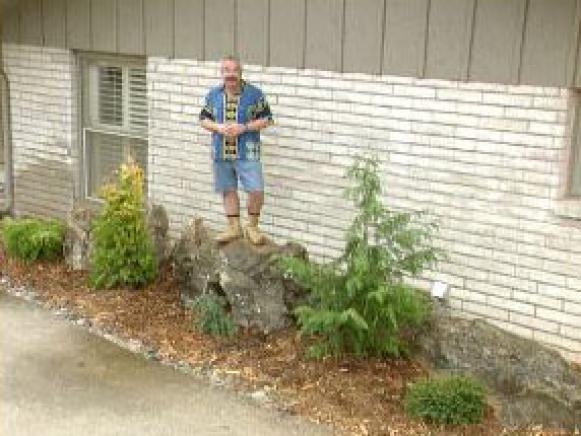
Take a look at the transformed bed. As time goes by, James adds a few more plants, and perhaps in the future will add a nice piece of driftwood or even some outdoor lighting so his guests can see when they're backing up.