


The Ultimate Spring Home Maintenance Checklist
After winter has taken its toll, use this complete checklist to shape up your home for the warmer seasons ahead.
- A
- A
- A
Print Options
CloseE-mail This Page to Your Friends
xSuccess!
A link to %this page% was e-mailed
All About
Greg Haskett, vice president of The HomeTeam Inspection Service (www.hometeaminspection.com), knows homes are like many living things. "Homes live and breathe," he says, "Homes change, homes move" and — like many of us — homes need a tune-up after the long winter months. After the season has taken a toll on your house, everything from the roof to the sump pump will need a once-over. Fortunately, spring is the best time to reassess your house.
When The HomeTeam Inspection Service, a franchise specializing in home inspections, began in 1994 only 25 percent of homes were inspected; today the number is above 90 percent. But while homeowners usually learn of an inspection when they buy or sell a house, it's the inspections they make in between that really matter. "Your car depreciates, yet [most of us] treat it like a baby," says Haskett. "Your home appreciates, yet so many people don’t take care of it."
Whip your house into shape this spring with this handy checklist.
PDF
Print a PDF of the handy checklist.
Inspect Brickwork and Stucco
Replace Rotted Siding or Trim; Repaint as Necessary
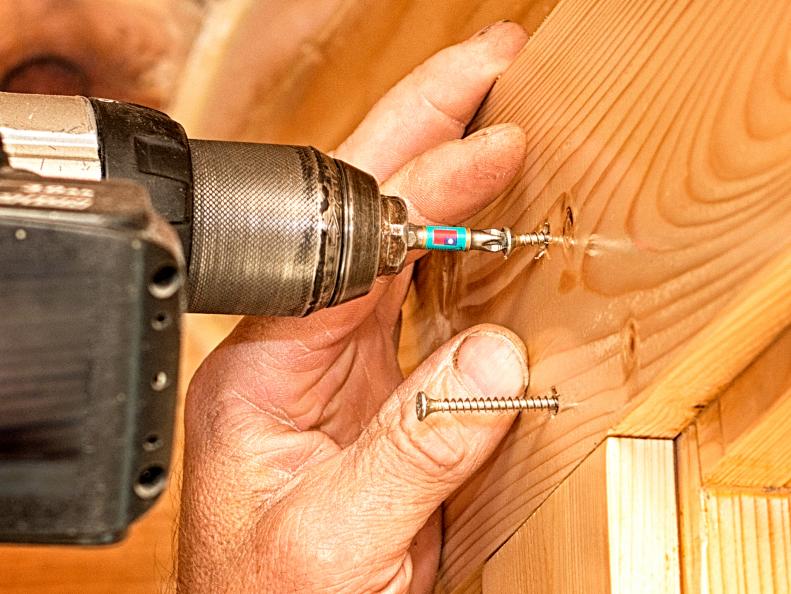
Ron Gibbs, president of House Doctors Handyman Service (www.housedoctors.com), says repainting siding or trim is often more than a one-weekend project. "You just can't touch it up here and there," he says, "you need to paint the whole thing" or at least a section at a time for color consistency.
Clean Gutters and Downspouts
Inspect Your Roof
Get a Chimney Check-Up
Have a professional chimney sweep clean/inspect your active or decorative chimney. Professionals should also check the chimney flue and cap for cracks or leaking. Gibbs says the pros have the right equipment to get the job done in a couple of hours. "If you do it yourself, it'll take you more than that," he says.
Don't Overlook Your Attic
Check Your Heat/Air Unit; Change Batteries in Detectors
Prune Landscaping and Create Good Drainage
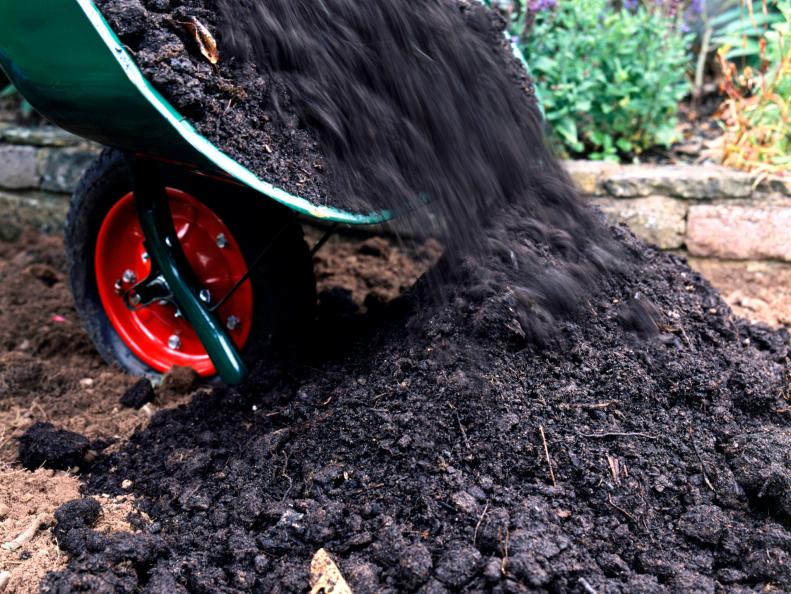
Shrubs and landscaping help against soil erosion, but should be planted to form a negative grade, which means water will flow away from the house. "You don't want growth up against the foundation of the home itself," says Greg Haskett.
Give Concrete a Little TLC
- Seal and inspect asphalt or concrete driveways. Most of us put off sealing driveways until the fall, but the spring is an ideal time to do it, says Gibbs. The sealer you use, driveway material and climate will affect how often you need to seal your driveway.
- Power wash concrete patios; inspect decks for rotting wood and secure railings. Seal both if necessary.
- Have a professional service your pool.
Weatherproof Windows and Doors
- Remove interior storm windows (old homes only) and replace screens on clean windows and doors."Think about this as far as how you're going to live," says Haskett. "If you don't have air conditioning you want to make sure you have good air flow throughout the home." You can also save on utility bills by adding blinds to windows that face south and west. Haskett recommends opening windows when the sun sets and closing them at sunrise.
- Examine putty/caulk lines around exterior windows and doors; ensure weather stripping creates a good seal.
Don't Forget the Sump Pump
Make sure the sump pump is operating correctly; install a battery back-up pump. Gibbs recommends putting in a battery backup pump because if your sump pump does go, "you won’t know until it's too late." The backup, another pump that floats above the original pump, will kick on when the electricity goes out. If your sump pump fails, an alarm goes off, letting you know the backup is working. A few hundred dollars will save you thousands in water damage, especially if your basement is finished.