
Arts-and-Crafts Architectural Style
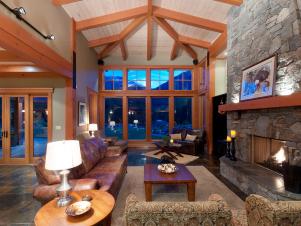
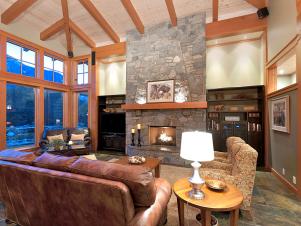
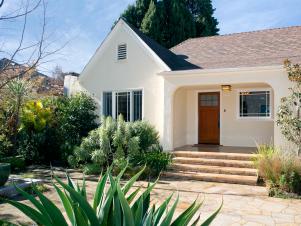
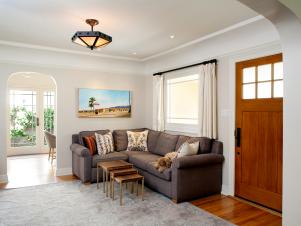
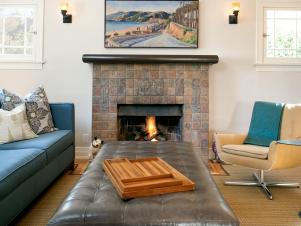
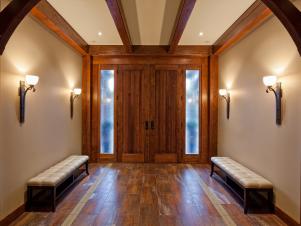
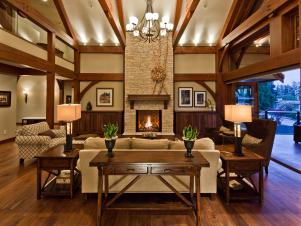
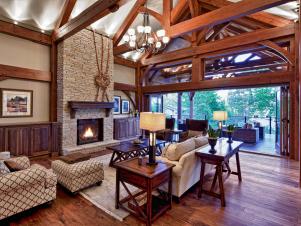
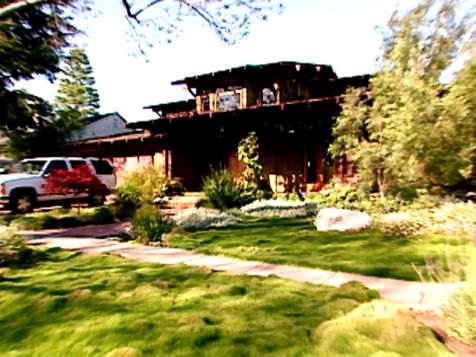
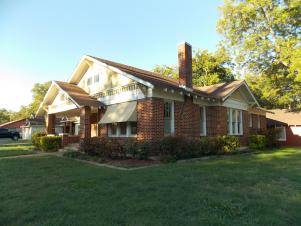
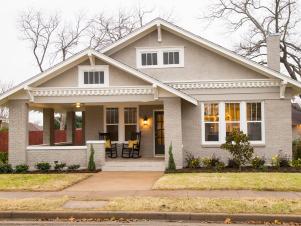
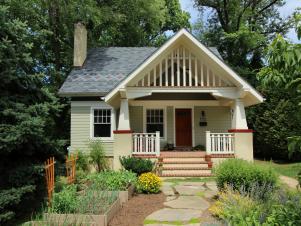
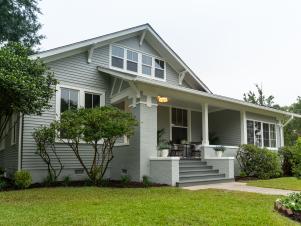
Arts-and-crafts-style homes were well-made in conformity with the arts-and-crafts movement.
- A
- A
- A
Print Options
CloseE-mail This Page to Your Friends
xSuccess!
A link to %this page% was e-mailed
Craftsman
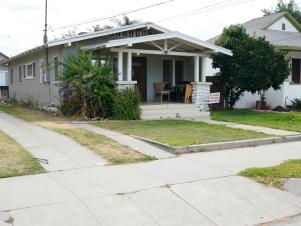
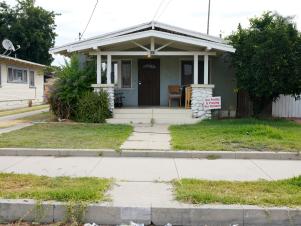
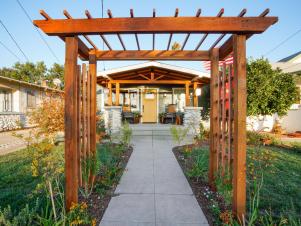
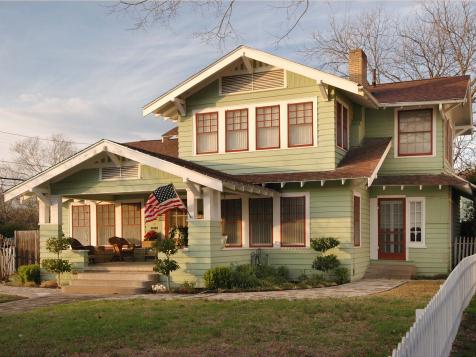
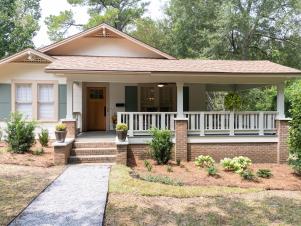
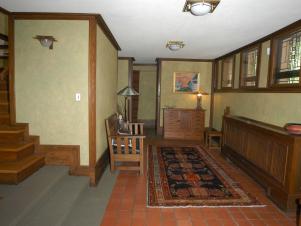
In reaction to the fuss and excess of decades of Victorian design, the arts-and-crafts movement started at the same time as the 20th century. Led by such luminaries as Chicago architect Frank Lloyd Wright and West Coast designers (and brothers) Charles Sumner Greene and Henry Mather Greene, the arts-and-crafts movement glorified objects that were simple, honest, and well-made.
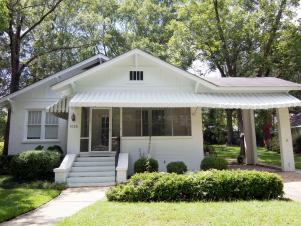
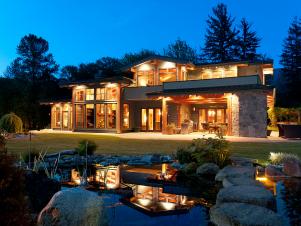
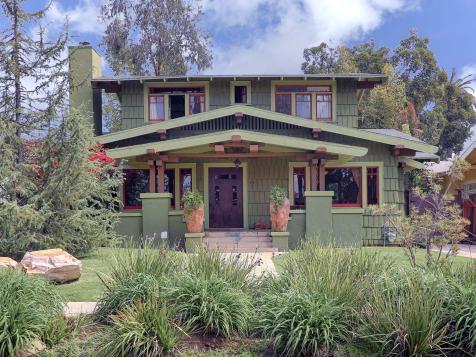
The movement largely made its own way, disdaining historical design and decoration, particularly the classic and Gothic ornamentation that were all the rage in Victorian architecture. Most arts and crafts homes fit in with the landscape, particularly those of the Wright's Prairie school and the Greenes' "Craftsman" bungalows. The American Foursquare, also considered "arts and crafts," was more visible but was still sturdy and wholesome.
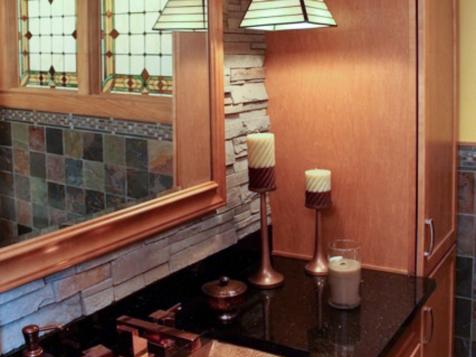
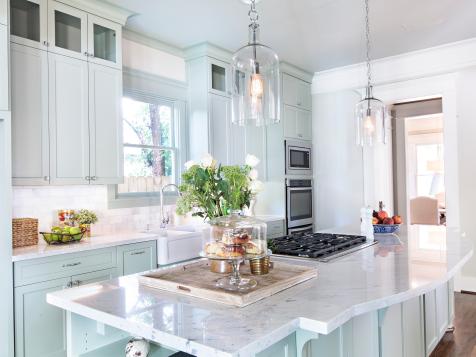
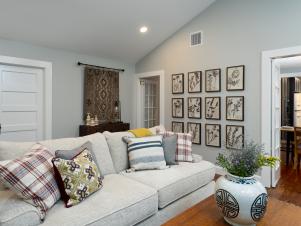
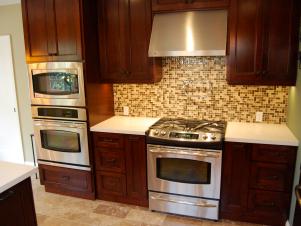
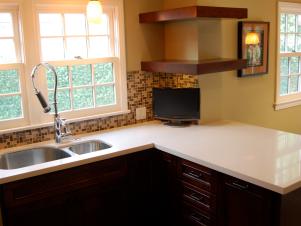
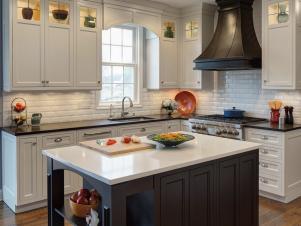
Merge modern design features with craftsman-style elements for a trendy kitchen design.
Prairie
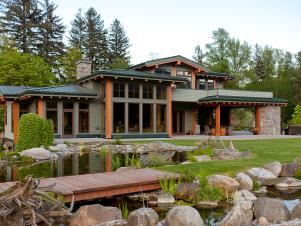
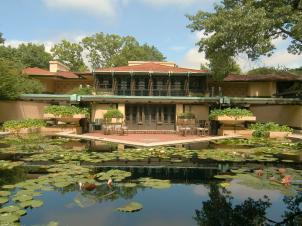
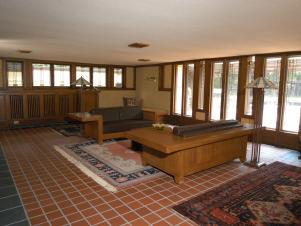
With the name Frank Lloyd Wright so famous, it's easy to mistakenly assume his style is rich or ornate. But the "Prairie school" architecture Wright and others pioneered early this century focuses on modest homes that harmonize with the natural beauty of the Midwestern landscape. The land was flat and open, and so is the Prairie style, which emphasizes horizontal lines to draw the eye across the view.
One hallmark of the Prairie design is a low-pitched gable roof, with eaves extending well beyond the walls, creating a "low to the ground" effect that blends with the scenery. Most of these homes are one or two stories, flanked by single-story wings or porches. The interior continues the "wide open spaces" theme, with an open floor plan and prominent central fireplace that peaks in a large low chimney, where the roof planes intersect. Prairie homes were most popular in the Midwest, and took the suburbs by storm until around 1920.
Foursquare
A close relative of Prairie school design, the Foursquare was popular from the turn of this century until approximately 1930. Bulky, even massive, Foursquare is meant to make an impression against the landscape, not blend into it like a Prairie home. It does, however, share the Prairie house's overhanging eaves and some of the design principles used on Prairie doors and windows. The square motif is repeated again and again, hence the name. The floor plan is approximately square, the roof pyramid-shaped (sometimes truncated), with equal overhangs on all sides. Typically the roof slopes of the attic boast a hipped dormer, and a large front porch, with a half-pyramid roof, is common. Inside, Foursquare was a square deal, known for providing maximum floor space per dollar.