

 You're subscribed!
French Potager Garden

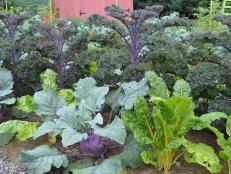
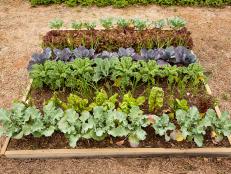
Usually when one thinks of French gardens, what comes to mind are boxwood parterres, fleur-de-lis accents and espaliered fences. However, French kitchen gardens are more informal and serve to provide fresh produce for the table for as long as possible.
Otherwise called a potager, the French kitchen garden is different from an American harvest garden. The American garden is generally planted every spring and harvested during the summer, while the potager is continually being planted and harvested for fresh produce all year long.
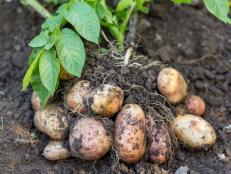
Seasonality is key to a French kitchen garden. Whatever is in season today is what you harvest and eat tonight. Summer isn't the only season of the year during which we can enjoy fresh harvest. Plant in summer in order to harvest in fall or even winter. In a potager, even though you are eating this season's crop now, you are constantly planning and thinking ahead about next season's crop.
As in any successful garden, fertile, workable soil is important in producing a bountiful crop. Veggie gardener Georgeanne Brenner offers three tips for maintaining a successful French kitchen garden:

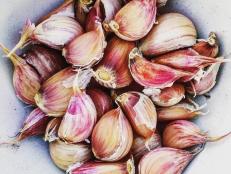
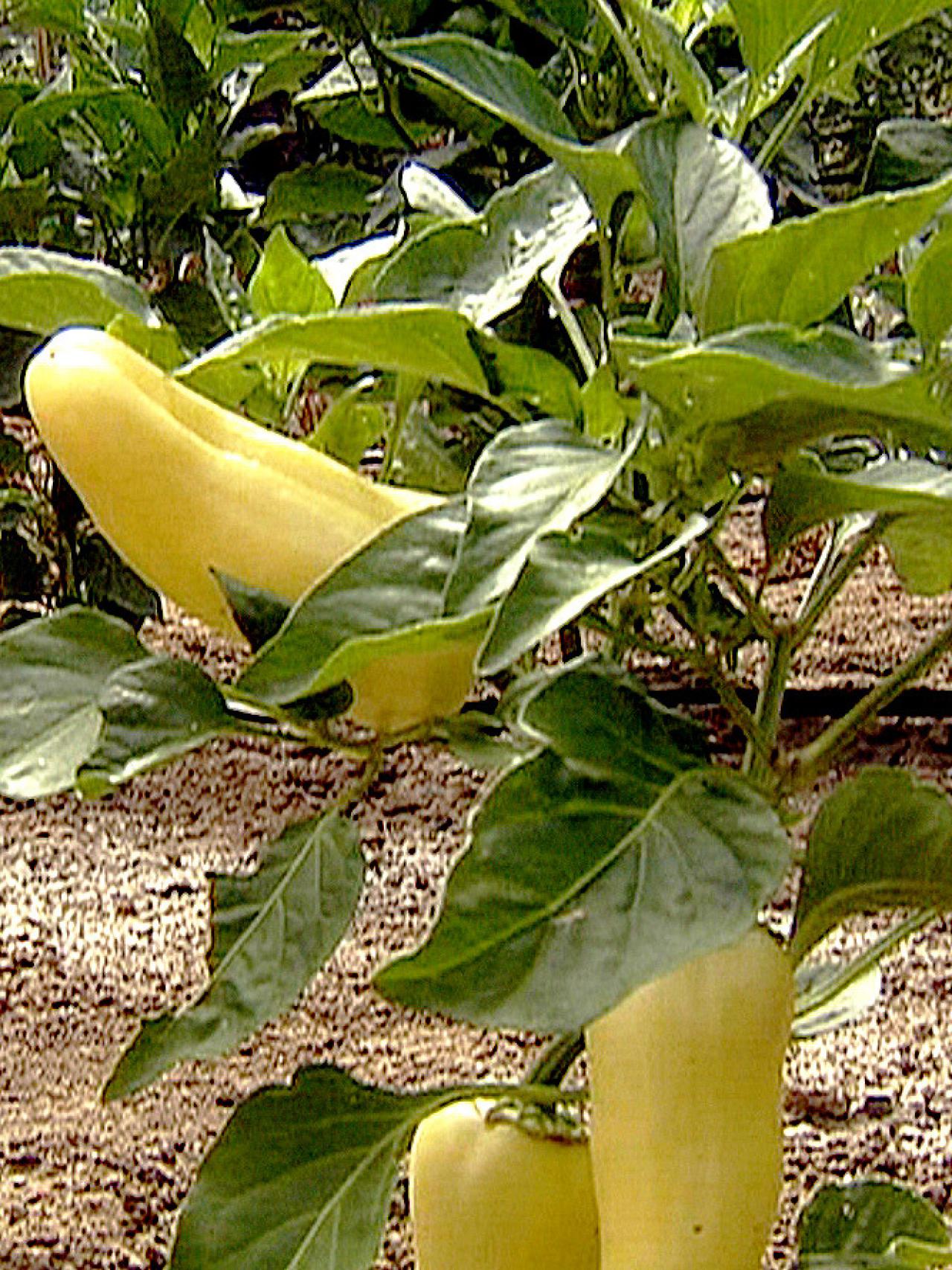
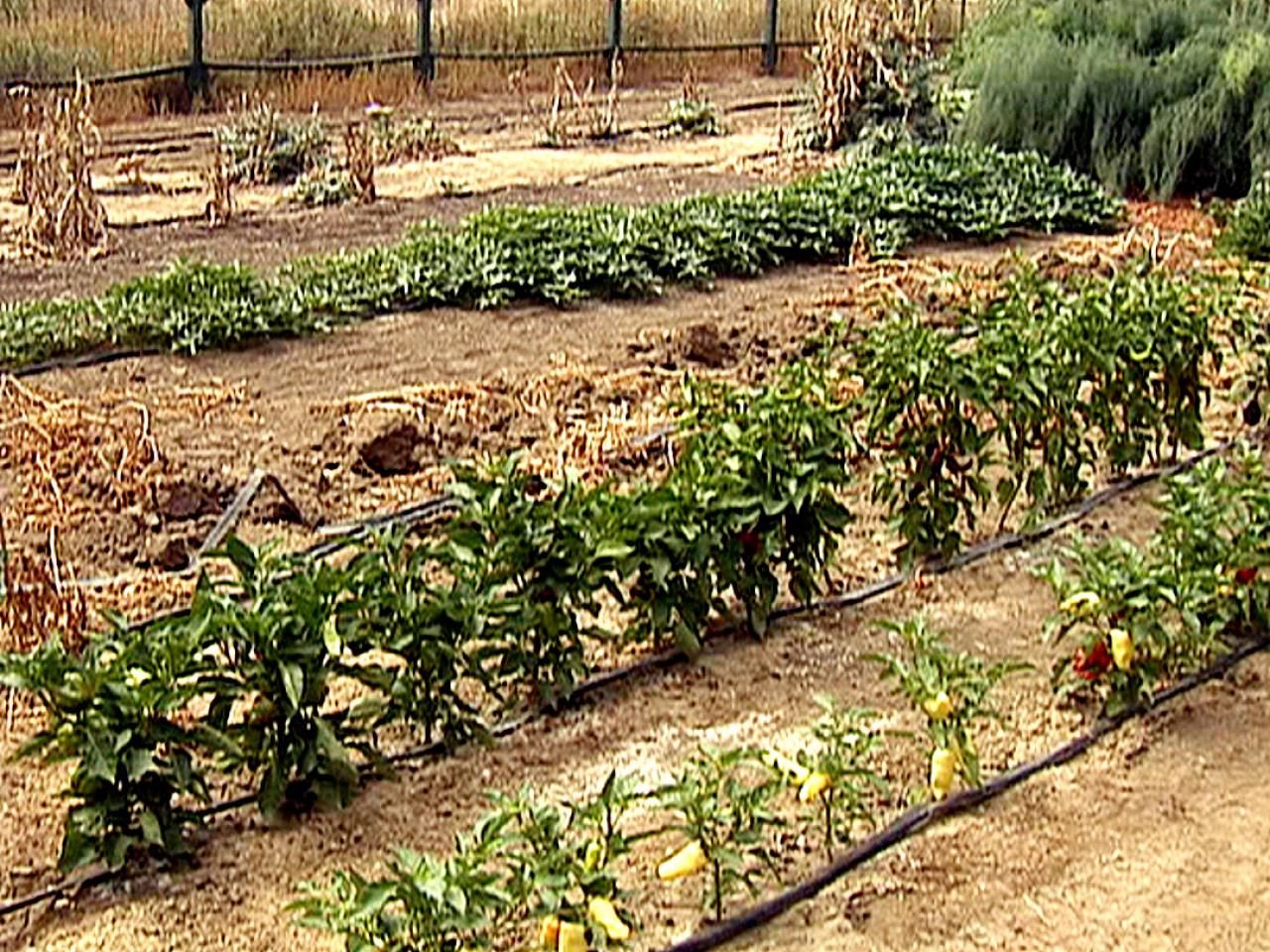
Time management. Because the potager is cyclical in nature — meaning that plants are continually being changed out throughout the year — it's important to know what to plant and when. A few weeks ago, Brenner had onions and garlic growing in her garden. Now, in midsummer, she has peppers and will soon be planting leeks. This will be followed by cauliflower and cabbage a few weeks later.

Water management. Where possible, install drip irrigation next to the vegetables and other plants in the potager. If you deliver water directly to the veggies — and not to the surrounding soil — you can reduce the amount of weed growth.

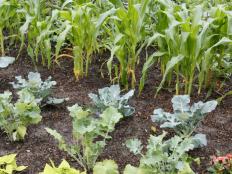
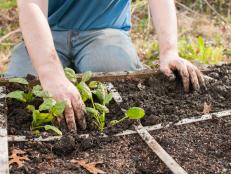
Space management. Succession planting is a good method to practice. Here, new crops are planted in the empty space left by old crops. So crops at different growth stages are planted next to each other.
There's an exception to the constant rotation of crops in a potager. Perennial veggies, such as asparagus and artichokes, can be left in the garden year after year. After the plants have finished producing and have died back for the year, Brenner cuts hers back to the ground. Then she allows them to flush back out next year so she can harvest again.