

 You're subscribed!
Growing Monarda: When to Plant and How to Grow Bee Balm
Your garden will be buzzing—with helpful bees and compliments—when you plant colorful monarda, or bee balm.

As you'd guess from the name, bees love bee balm (Monarda didyma). These helpful garden visitors transfer pollen as they zip around the tube-shaped flowers, which are held in loose, daisy-like clusters. Bee balm plants were once used by Native Americans as a medicinal herb and early colonists who turned it into tea — and turned up those noses at the highly taxed British stuff. Monarda is a lovely, useful perennial plant for gardens or containers.
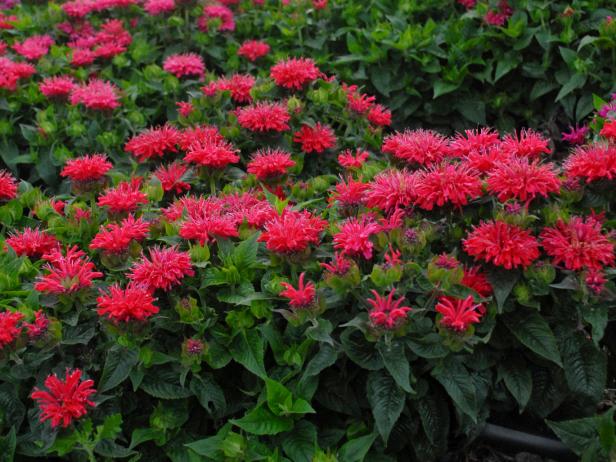
Walters Gardens, Inc.
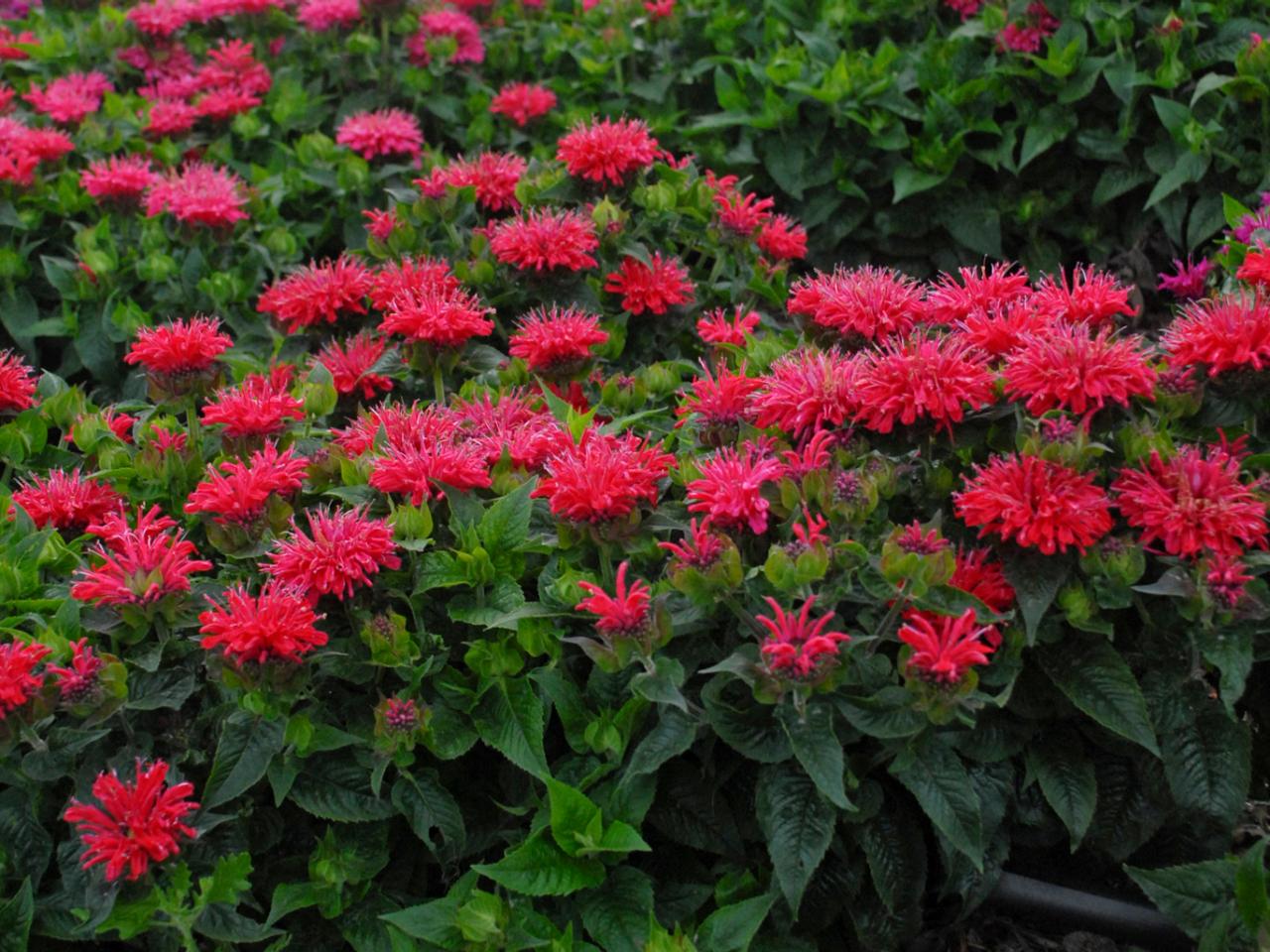
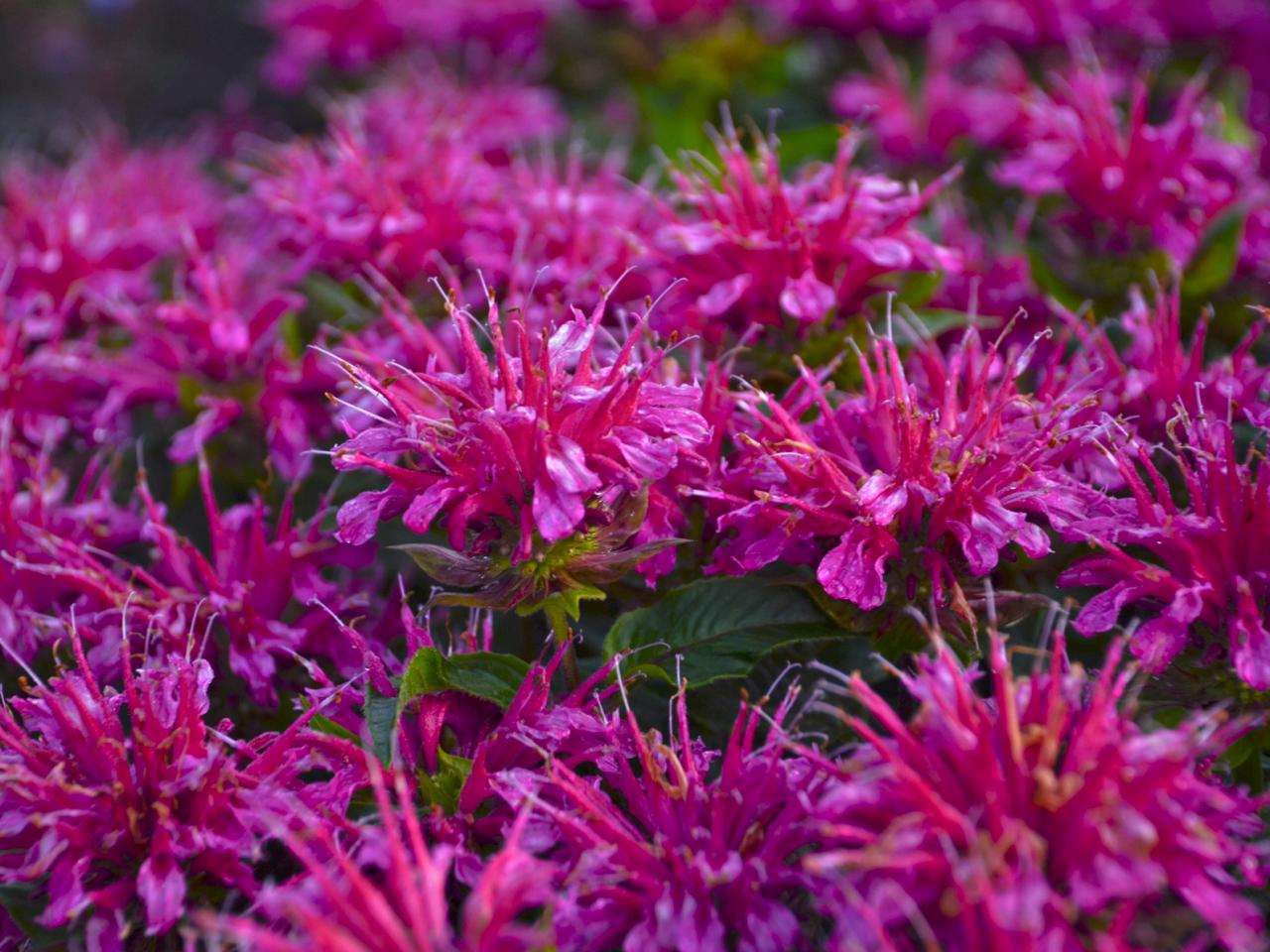
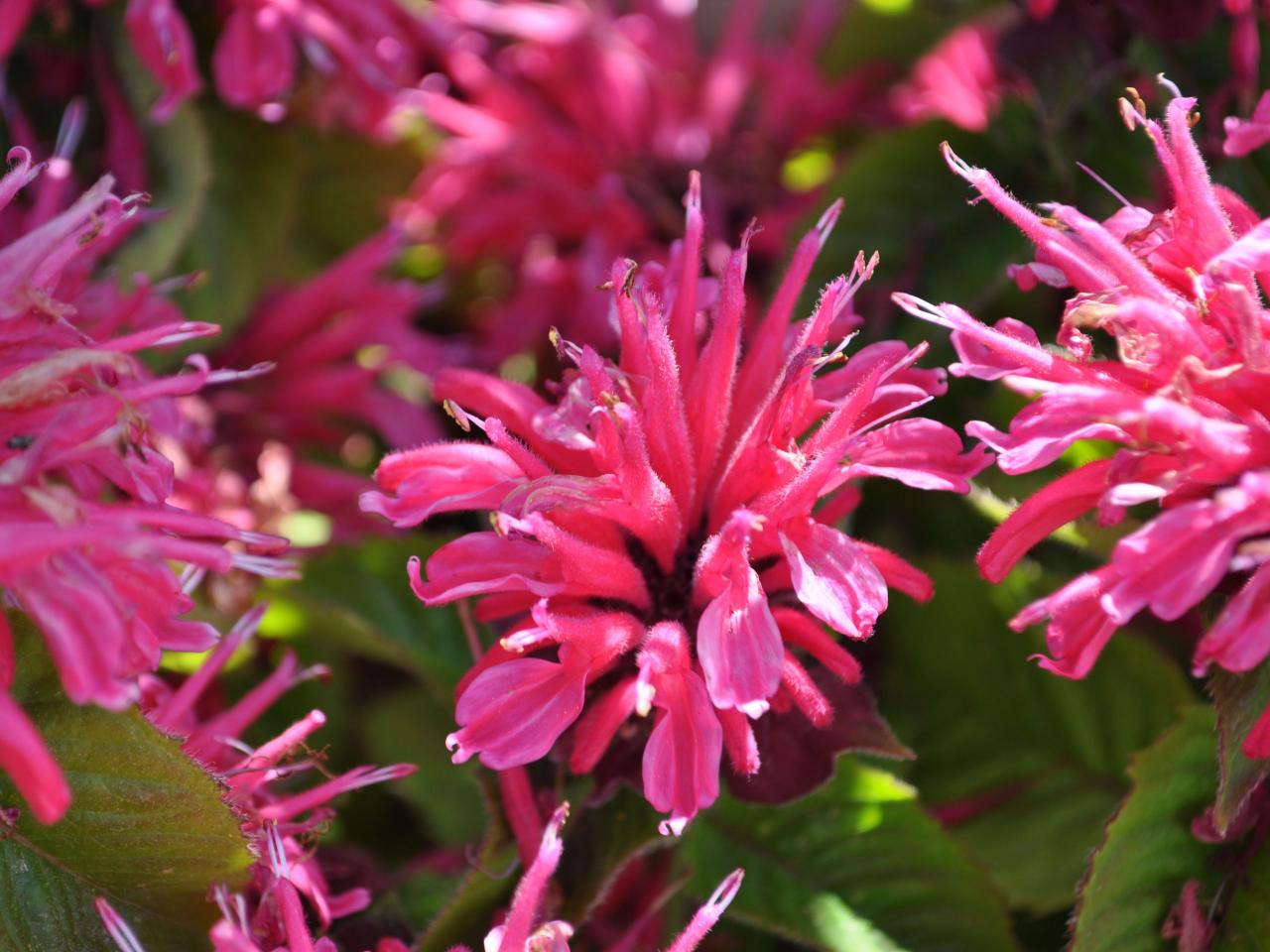
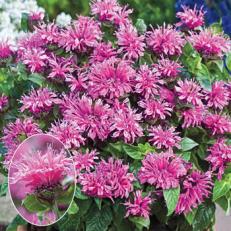
Monardas spice up the summer garden with their fragrant foliage and shaggy flowers. Sixteen species of this tough perennial are native to North America, but most of us grow red Monarda didyma (commonly called bee balm) or lavender to pinkish Monarda fistulosa (also known as wild bergamot). Shown here: 'Pardon My Cerise'
You may hear bee balm, a member of the mint family (Lamiaceae), also called bergamot, bergamot plant, horsemint and Oswego tea. Native to North America, the bee balm plant blooms from late spring into late summer in shades of pink, lavender, purple, white and red.
Monarda 101
Genus name: Monarda
Common name: Bee balm
USDA Hardiness Zones: 4-9
Bloom Time: Late spring to late summer
There are three common species of bee balm: Monarda didyma, Monarda fistulosa and Monarda punctate.
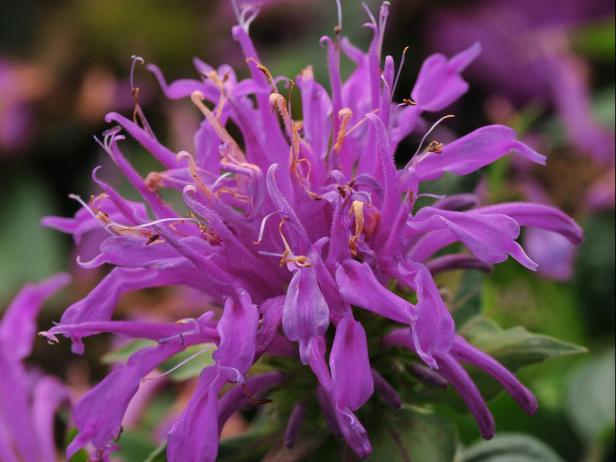
Darwin Perennials
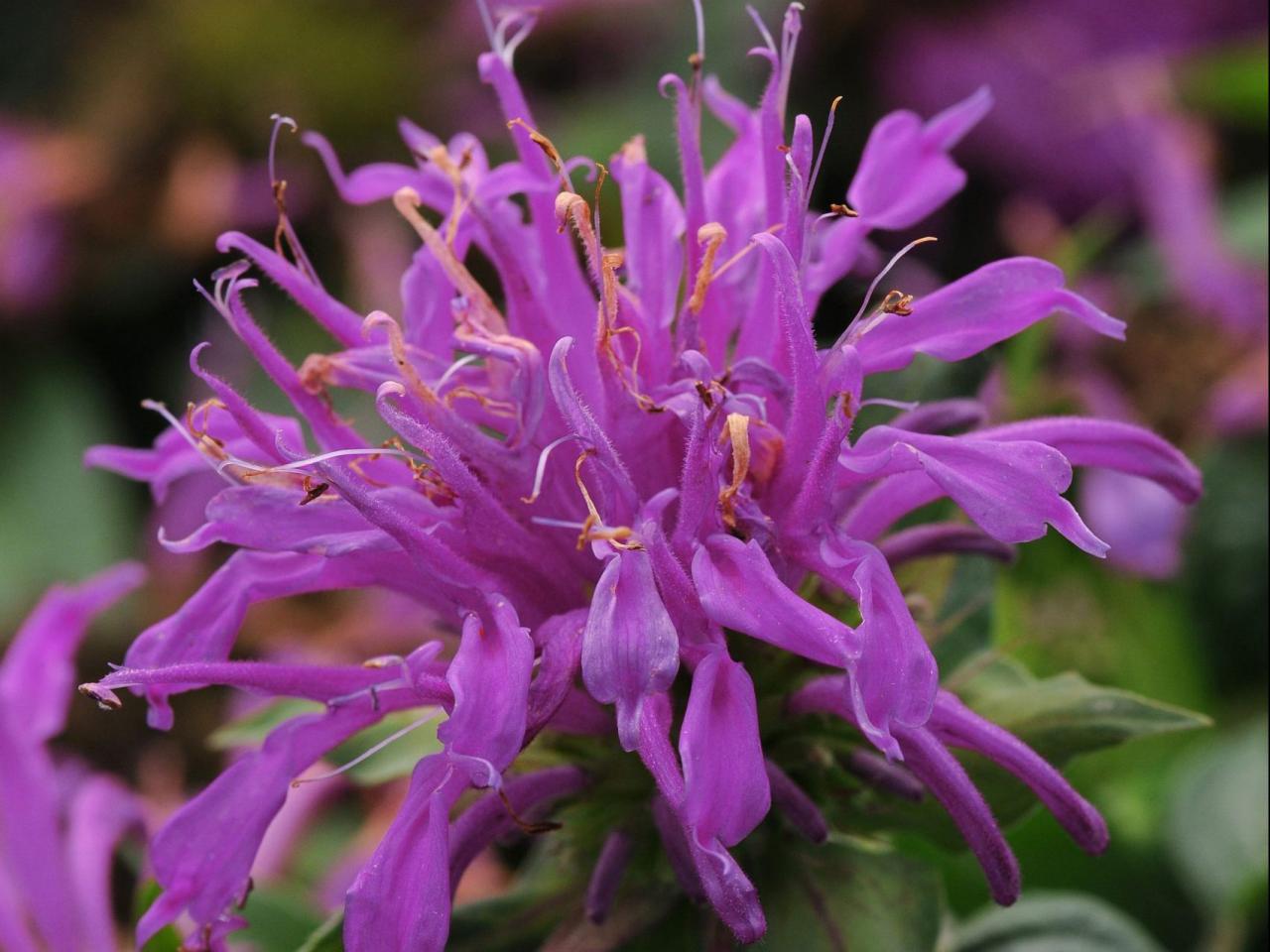
Balmy 'Lilac' has dense, bright lilac flowerheads that draw bees, butterflies and hummingbirds. The plants resist mildew, deer and rabbits, and the 10 to 12-inch tall stems are good for cutting. The Balmy series offers other colors, too.
M. didyma, also called scarlet bee balm, is one of the most popular. It goes by many names, including scarlet monarda, Oswego tea and bergamot, and sometimes it's spelled "scarlet beebalm".
M. fistulosa, or wild bergamot, has a minty aroma, whorls of lavender to pinkish flowers and gray-green leaves. It blooms from May to September and grows to 5 feet tall.
M. punctate, also called spotted horsemint, spotted bee balm or spotted mint, grows wild in prairies, pastures and meadows. It has yellowish flowers with purple to maroon markings and white or light purple bracts.
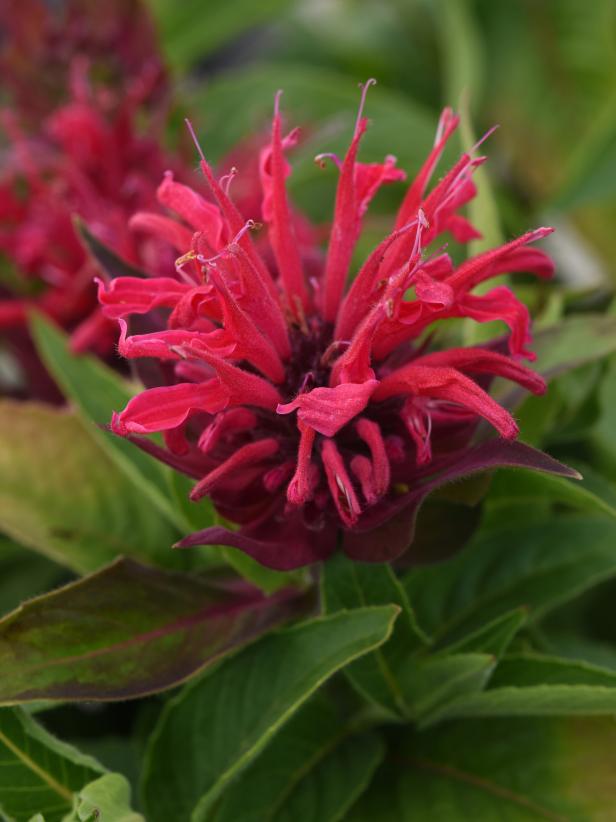
Ball Horticultural
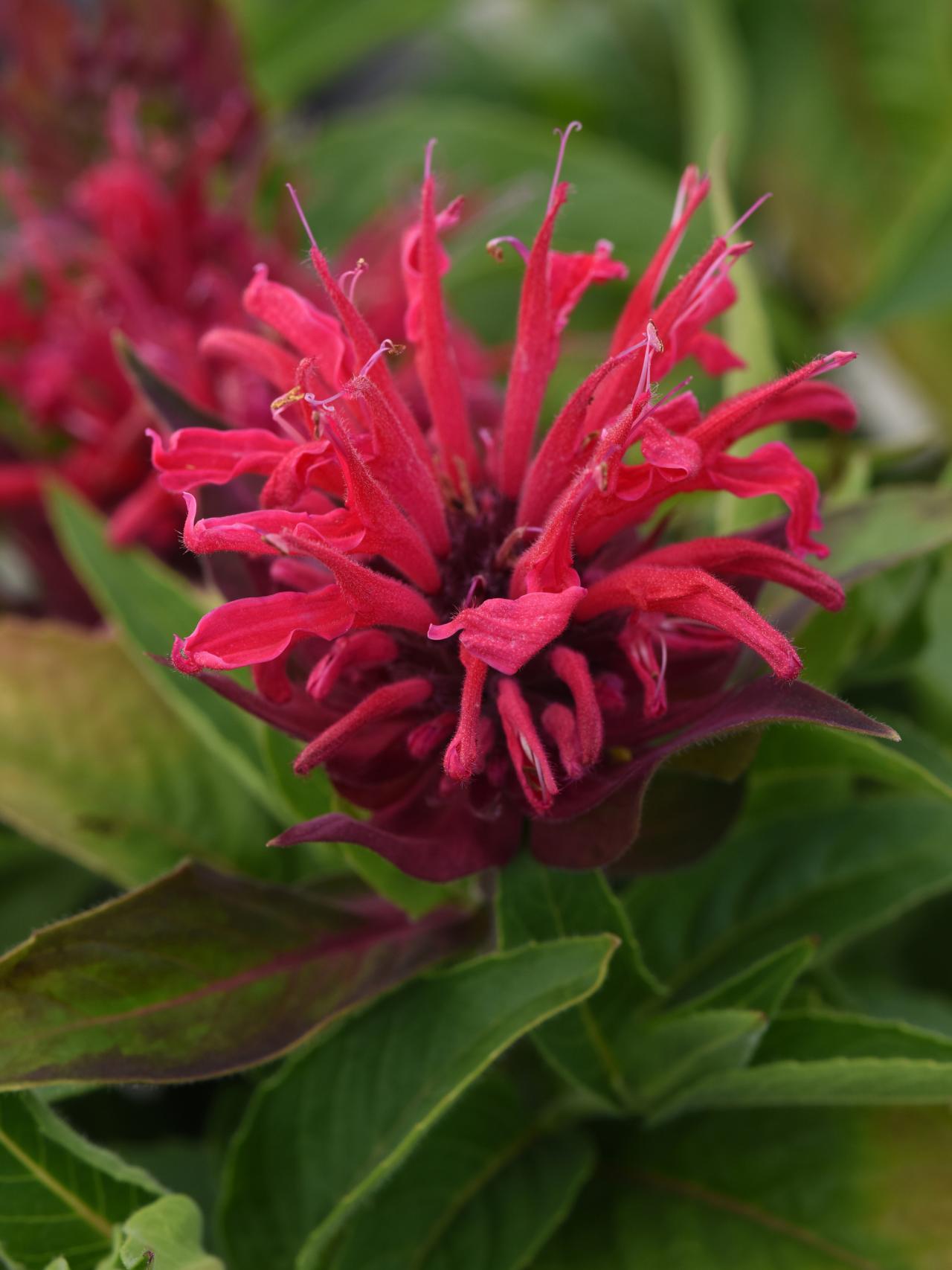
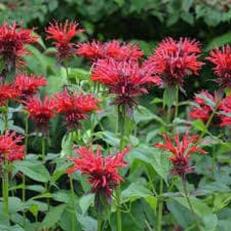
This monarda, Bee-Mine Red, is part of the new-for-2022 Bee-Mine series. The 15 to 18-inch tall plants are also available with lavender or pink flowers.
How to Grow Bee Balm
Growing bee balm plants isn't hard, if you keep their soil evenly moist. Plant monarda in spring or fall in a spot that gets full sun. Bee balm tolerates partial sun, but you'll get fewer flowers.
Space monarda plants 18 to 24 inches apart in organically rich soil with a pH of 6.0 to 6.7 that drains easily. Bee balm needs good air circulation to help prevent powdery mildew, a common fungal disease.
The easiest way to grow monarda is from young plants; bee balm seeds can take a long time to germinate and grow to transplant size. Look for bee balm plants sold online or in garden centers or nurseries, and plant them outdoors in spring or early fall.
Buy Bee Balm
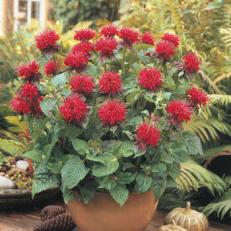
To start bee balm seeds indoors, sow them in a tray of moistened seed starting mix, barely covering them, eight to 10 weeks before your last spring frost. Seal the tray in a clear plastic bag. Keep it in indirect light in a spot that stays between 60 and 70 degrees. Remove the plastic when the seeds sprout and move the tray to a bright window. When the seedlings have two sets of true leaves, thin the young bee balm plants to every 2 inches. Transplant them outside once there's no more danger of frost.
You can also sow bee balm seeds directly into the garden after the last spring frost. Again, barely cover the seeds. Space them 12 inches apart and thin to every 18 to 24 inches after two sets of true leaves emerge. When the monarda plants are 12 inches tall, pinch out the growing tips to encourage branching.
www.ProvenWinners.com
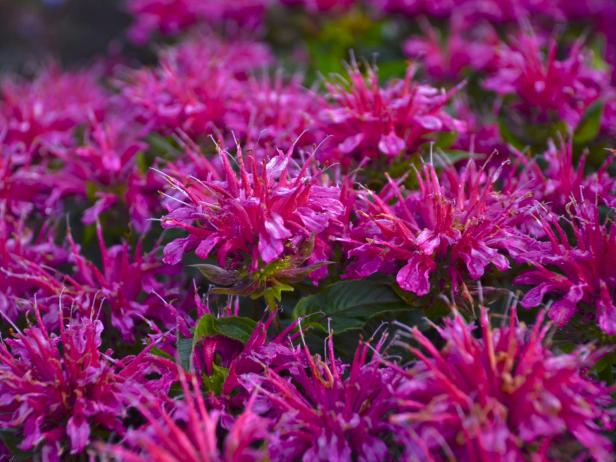
'Pardon My Purple' bee balm lures butterflies to your garden with its fuchsia-colored blooms. It's short enough to grow in the front of beds and borders.
How to Care for Monarda
"Monarda does best planted in full sun, though it can benefit from afternoon shade in very hot climates," says Georgia Clay, new plants manager at Monrovia. "Monarda is super low maintenance and grows easily in most well-draining garden soils. It will tolerate periods of drought though it prefers an even supply of moisture throughout the summer."
After they're established, mulch bee balm plants with straw, bark chips or other organic materials, but don't pile it right up against them, so it won't attract insect pests or give diseases a place to start. Mulch helps hold moisture in the soil and discourages weeds from sprouting.
If your soil is already rich in organic matter, your monarda may not need fertilizer for the first year. The following year, apply a balanced organic fertilizer following the product directions or work some compost or aged manure into the soil.
www.provenwinners.com
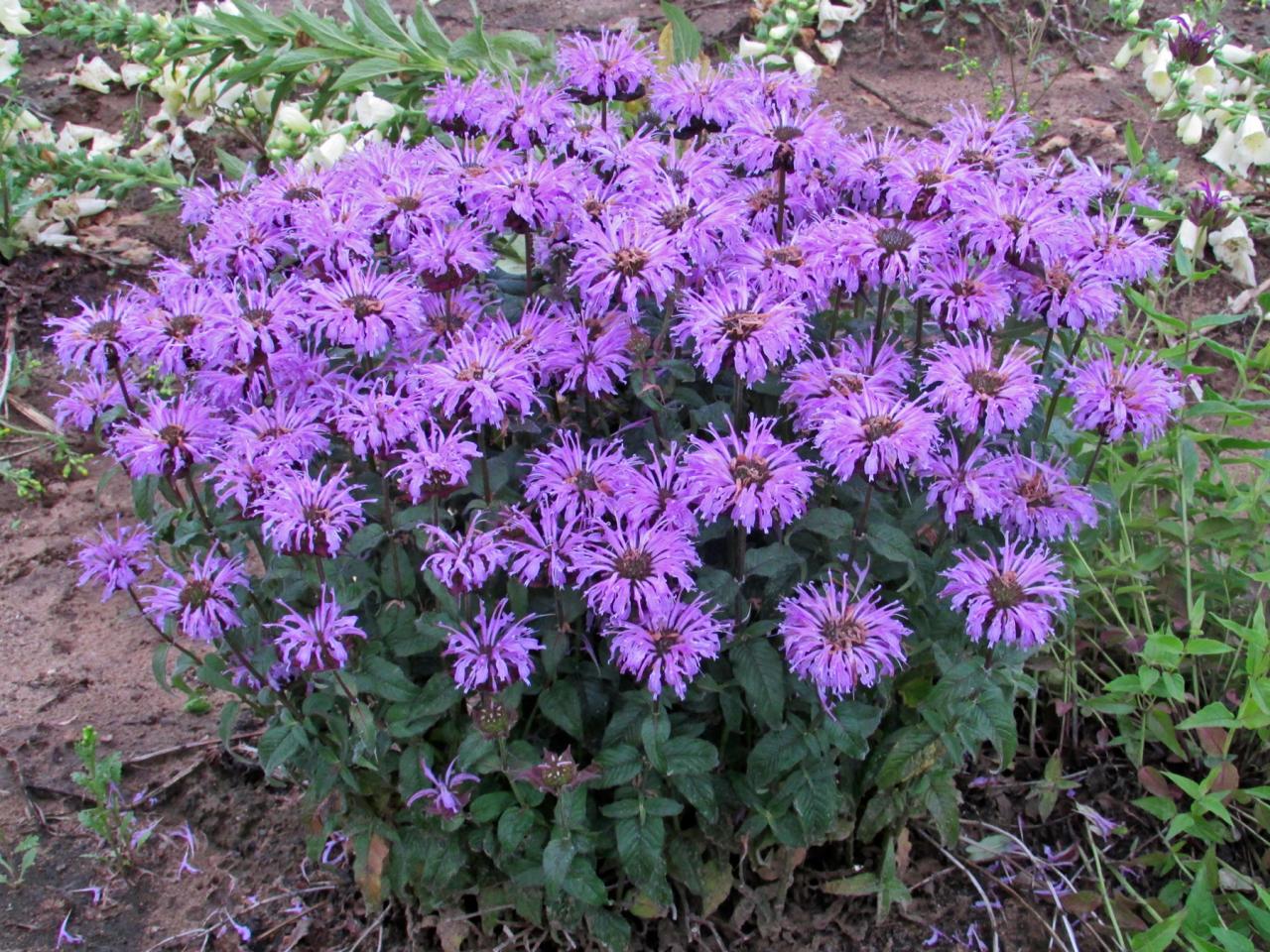
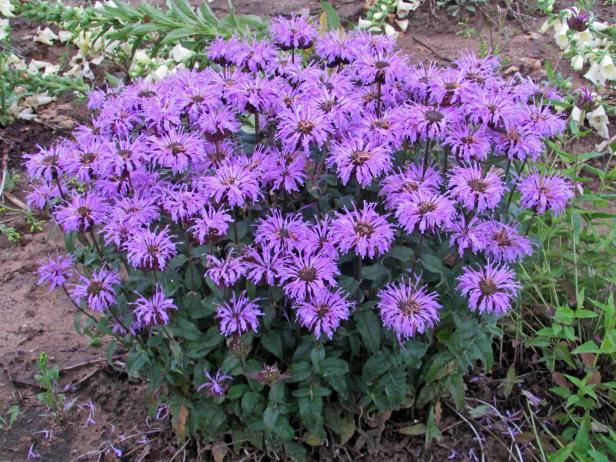
Deadhead bee balm plants, like Sugar Buzz 'Blue Moon,' shown here, when the flowers fade. This will encourage more blooms.
At the end of the growing season, leave some seed heads on the plants for hungry birds. Monarda dies to the ground in very cold climates and can be cut back to an inch or two above the soil. Remove any old plant debris and destroy it, so fungal spores won't overwinter.
How to Use Monarda
Edible bee balm flowers and their fragrant leaves can be used to garnish salads or steep for herbal teas, but never use any plants or plant parts that have been treated with insecticides or other chemicals.
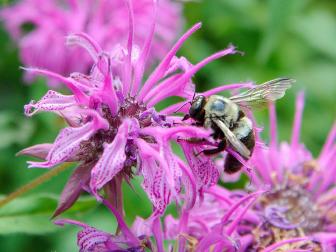
Plants For A Meadow Garden 10 Photos
Include bee balm and these other plants to bring a meadow to beautiful, colorful life.
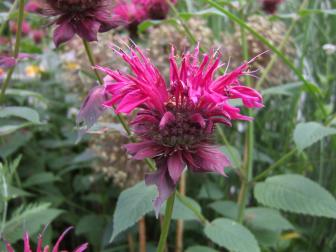
Flowers for a Cutting Garden 14 Photos
Fill your yard with perennials that offer blossoms perfect for plunking into vases.
Add bee balm to perennial borders, native gardens, pollinator gardens, meadows and cottage gardens. They're also lovely beside streams or ponds and as specimen plants.
What to Plant With Monarda
Grow companion plants with the same basic needs for sunlight and water, such as Shasta daisies, daylilies, Echinaceas, phlox, Achilleas, Western columbines and Agastaches, or herbs like chives and basil.
How to Control Monarda Plant Pests and Diseases
Monarda isn't bothered by many insect pests, but stalk borers are killers. The larva tunnel into the stems, mature into caterpillars and make the plants wilt. There's no way to control them once they're inside, so remove the entire plant and destroy it. Keep your garden weed-free so the borers won't have a place to live.
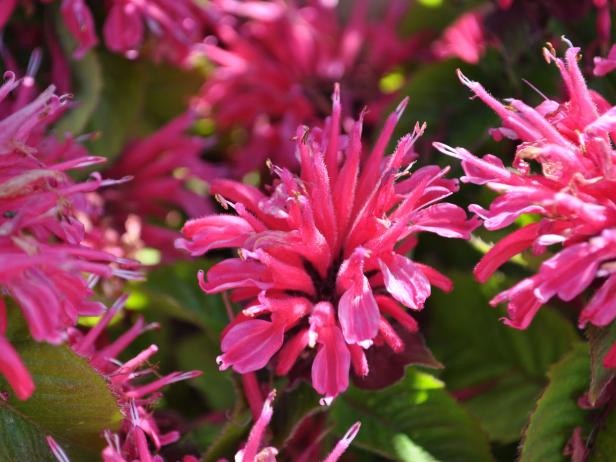
Green Fuse Botanicals
Marje Rose is a compact bee balm that boasts huge flowers and strong resistance to powdery mildew. It grows 12 to 15 inches tall with rose-pink blooms.
Spider mites and thrips also cause damage. Use the least toxic control first, such as insecticidal soap or horticultural oil. Read and follow the directions on your product.
Powdery mildew forms a gray or white coating on monarda and other plants. Infected leaves can become deformed and die. To avoid this fungal disease, look for resistant cultivars, give your plants good air circulation, destroy diseased foliage and avoid splashing water on bee balm leaves. If it's still a problem, use a product labeled for powdery mildew control.
How to Divide Monarda
Bee balm plants spread fast and get so crowded, the centers of the plants can die. Keep them vigorous by dividing them every two or three years in early spring. Dig them up and cut them with a sharp, sterile knife, leaving at least two shoots and some roots in each piece. Replant the pieces.
Gorgeous Monardas to Grow
'Pardon My Cerise' Give this petite bee balm a spot in front of your garden. It grows 14 to 18 inches high in full to part sun. Its dark cherry-pink flowers mix beautifully with yellow and pink lantanas and petunias. Also, look for 'Pardon My Pink' and other colors.
The Balmy series has large flowers on charming plants that grow 10 to 12 inches tall. These dwarf monardas have a mounded growth habit. Balmy Lilac, with its bold purple blooms, is one of four colors currently in the series. Balmy Purple is a vibrant purple bee balm with red-toned, shaggy flowers. This purple bee balm is a good choice for cottage gardens.
Bradbury's monarda (Monarda bradburiana) A native perennial of the southern and central United States, Bradbury's monarda blooms earlier than most. It resists disease and tolerates rocky soils and medium-to-dry conditions. This prairie-type plant with light pink blooms takes full to part sun, is deer resistant and hardy in Zones 5-8.
'Fireball' Bee Balm Want a compact, red monarda that hummingbirds can't resist? Try 'Fireball' bee balm, which blooms for four weeks or more and takes full sun to half shade. The 12 to 20-inch tall plants are fine for containers, as cut flowers and in mass plantings.
'Claire Grace' This mildew-resistant selection of M. fistulosa has striking purple-pink flowers that butterflies adore. It's a fine choice for a dry garden spot. The plants grow 3 to 4 feet tall in full sun to half shade.
'Bee-Mine' Bee Balm Deer and rabbits tend to leave the new 'Bee Mine' series alone. These plants, which are new for 2022, grow 15 to 18 inches in full sun and strongly resist mildew. Colors include lavender, red and pink. Because this is a brand new introduction, you may have to shop around to find it.
Sugar Buzz Bee Balm This new, mildew-resistant series boasts strong stems. 'Blue Moon' has brilliant lavender-blue flowers. The plants, currently available in eight other colors, grow 20 inches tall.
'Jacob Cline' This eye-catching, deep red monarda has very large flowers. Deer- and drought-resistant, it grows to 3 feet tall and wide, and blooms for a month or more.
'Raspberry Wine' With superior resistance to powdery mildew, this bee balm bears wine-red flowers in late summer and multiplies vigorously. Maturing at 30 inches tall, it needs plenty of room, especially in regions with long growing seasons.