


 You're subscribed!
Roofing Component Basics

There's a lot to cover when it comes to learning about what types of materials go into roofing a house. Some of it involves some pretty tricky terminology. Here are a few definitions that cover the basics.
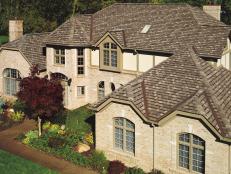
The major function of a roof is really to protect the home from the elements — snow, rain, wind, etc. And this is why you need a roof that really performs, and how it performs depends upon how well it keeps out the elements.
The type of roof you have will determine how easily water — or the other elements — are diverted. But before we get into the types of roofs, we need to know the different components that make up a roof.
Roof Components
Underlayment — The underlayment of a roof is the black paper that's laid over the plywood sheeting in order to seal the roof from damaging elements (snow, rain, ice, etc.). The use of a membrane is typically required, a waterproof membrane, a sweat sheet or vapor barrier — with the underlayment paper serving the triple function.
Flashing — Flashing on a roof refers to the metal pieces that are used to divert water from places where it might collect, such as hips and valleys. Flashing can be made from a variety of materials. You can use a galvanized flashing, a galvanized alloy, copper, lead coated copper or stainless steel. Each of these would work fine.
Shingles or Tile — The shingles or tiles make up the outermost part of the roof. Sitting atop the underlayment, they form the outermost barrier against the elements.
In residential roofing the same basic types of roof have been in sue for hundreds of years are still in use today. The shingle — or tile — has been in use for thousands of years, in fact. You can find intact tiles that have been in use 5,000 years.
Despite their history, however, shingles and tiles are just two among many types of materials you can use to cover the roof. Others include concrete, wood shingles or metal.
Trim — The trim protects the seams anywhere there is a roof, such as a hip or a ridge.
The Seven Design Elements of a Roof
Ridge — This is the highest point or peak of the roof.
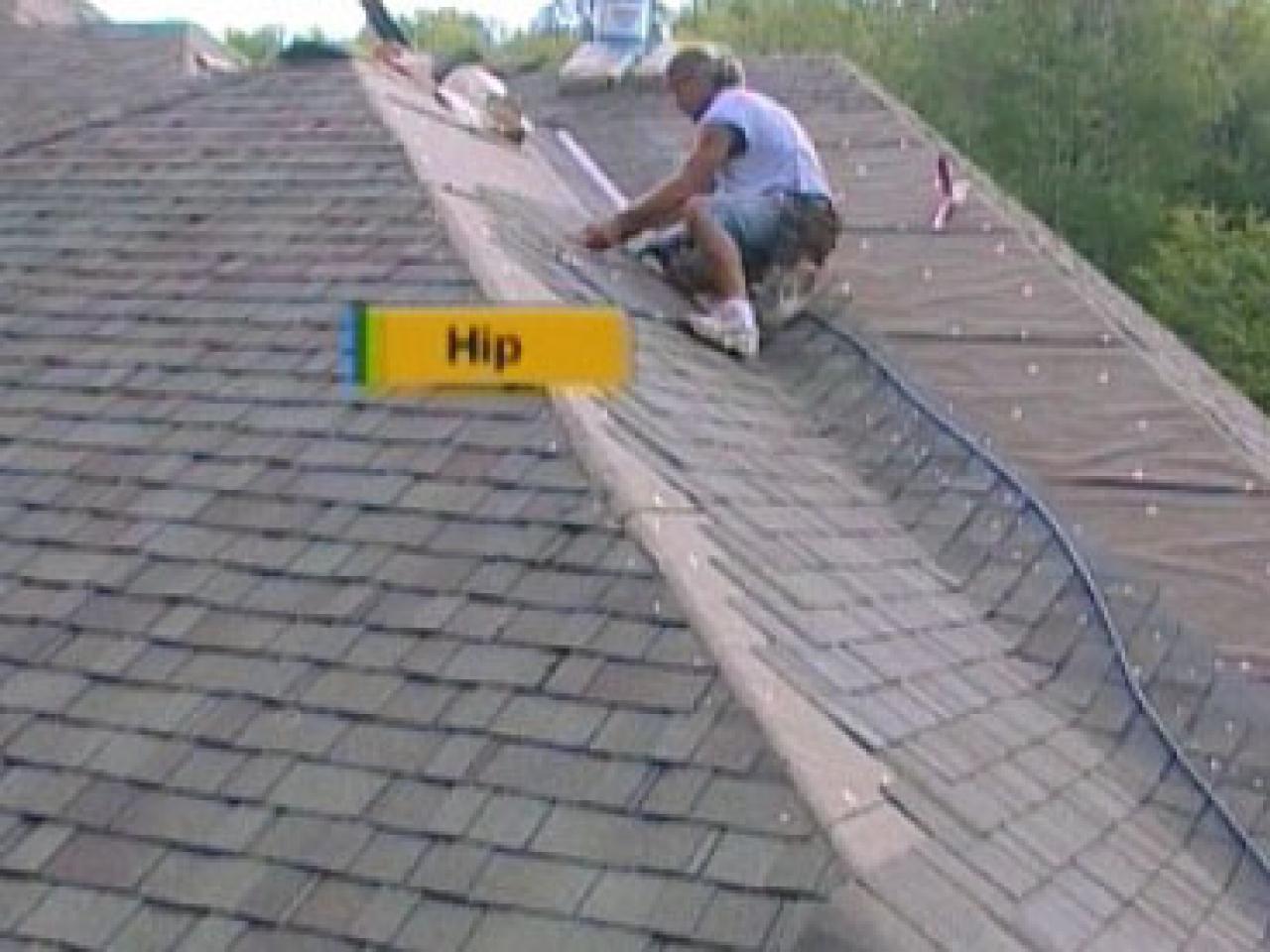
Hip — This is the high point where two adjoining roof sections meet.
Valley — When two sections of the roof slope downward and meet, they create this third element — a valley.
Pitch — This refers to the slope or steepness of the roof.
Eaves — This refers to the part of the roof that hangs over the rest of the home.
Gables — These are the triangular portions of the ends of the home, which extend from the eaves to the peak of the roof.
Dormer — These are the sections of the home that extrude from the roof. They're usually added as a way to bring light into an attic or the upper level of your home.