


Expandable Foam Insulation
The many uses of expandable foam. It plugs gaps, insulates, and more!
- A
- A
- A
Print Options
CloseE-mail This Page to Your Friends
xSuccess!
A link to %this page% was e-mailed
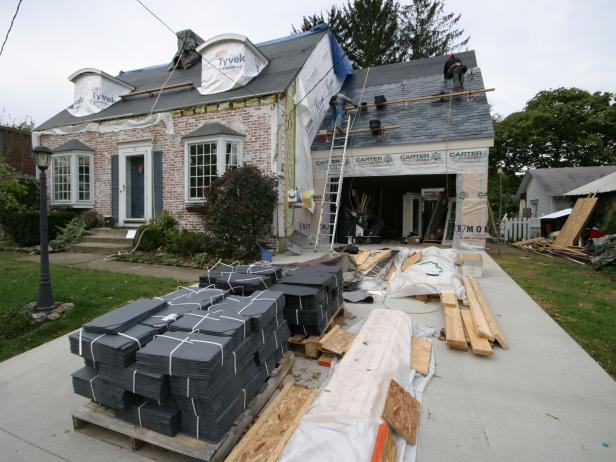
To sell or not to sell? That’s the question facing Debra Kelleher with her 1977 Cape Cod in North Haven, Conn. After years of mounting problems, her dream house is becoming a bit of a nightmare. Veteran home inspector Kenny Rhodes is called in to help her make the decision.
Inspector's Notebook
Expanding foam is made of a unique chemical compound that comes out as pliable foam then expands and hardens. After several minutes it forms a durable and long-lasting seal.
In North Haven, Conn., the homeowner wanted to patch a water leak with expanding foam. That’s a plumbing problem and the wrong use for expanding foam. It should be used mainly to seal gaps to prevent air infiltration, and to insulate tough to reach places. Here’s the short course on foam:
- Use expandable foam for gaps that are too big to caulk, a half-inch wide or more.
- Use expandable foam to seal areas around windows, pipes and doors.
- Different types of foam are best for different projects. Follow instructions and use foam sparingly. It expands more than you think and is tough to remove once dry.
- Expandable foam is a chemical product that must be used with the proper amount of caution. But it’s convenient and easy and can go a long way toward filling up gaps and holes in your house.
Resources
-
Guests
- Kenny Rhodes
Advantage Home Inspections
Phone: Greenwich/New Canaan/Westport
203-322-1611
Bedford/Pound Ridge/Chappaqua
914-248-6515
Rye/Harrison/White Plains
914-949-7028
E-mail: kennyrhodes@advantagehomeinspections.net
- Kenny Rhodes