

Plant Diseases
- Excerpted from How to Grow Practically Everything
- A
- A
- A
E-mail This Page to Your Friends
xSuccess!
A link to %this page% was e-mailed
Chemical Control
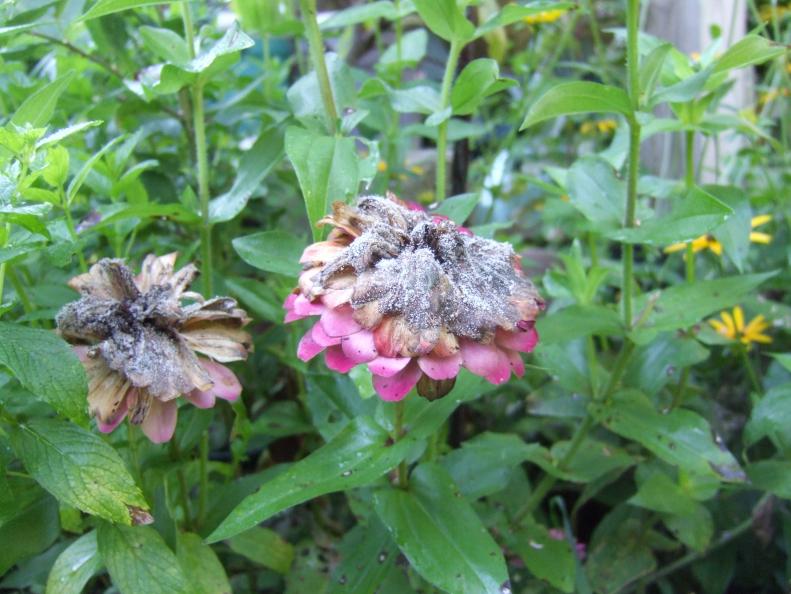
Use fungicides sparingly, and follow the manufacturers’ instructions and recommendations for protective clothing. On small and wall-trained fruit trees, where practical to spray, a program of preventive treatment can be helpful to counter a range of diseases. Also, reduce the need for spraying by growing disease-resistant cultivars and providing good growing conditions. If early sowings suffer from damping off, consider drenching your soil with a preventive copper-based fungicide. If organic methods have failed, spray affected plants with a fungicide recommended for the plant. Wear gloves and follow the instructions on the label.
Enlarge Photo+Shrink Photo-DK - How to Grow Practically Everything © 2010 Dorling Kindersley LimitedRemoving the Problem
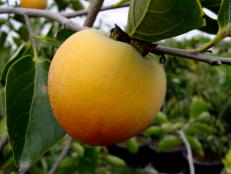
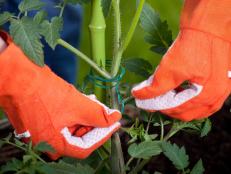
Keep a look out for dead wood and torn branches and prune back to healthy tissue. Prune to a bud to reduce the risk of die back and infection. As well as sterilizing cutting equipment, wash your hands in soapy water after handling diseased material. Regularly check stored fruits, vegetables, and flower bulbs and tubers, and remove any that show signs of decay or damage. Prune out diseased wood as soon as you see it, to prevent infections from spreading to healthy tissue.
Enlarge Photo+Shrink Photo-DK - How to Grow Practically Everything © 2010 Dorling Kindersley LimitedExcerpted from How to Grow Practically Everything
© 2010 Dorling Kindersley Limited
See Also:
From our Sister Sites:
- Clip Art: Topiary Plants for Small Backyards and Gardens (from HGTVGardens)
- Lawn Patrol: Take the pH Test (from HGTVGardens)
- Watering the Lawn: Zones and Other Basics (from DIY Network)
Shop Outdoor Products
Shop outdoor products from fire pits to outdoor furniture, planters and more