



Frost Protection
- Excerpted from How to Grow Practically Everything
- A
- A
- A
E-mail This Page to Your Friends
xSuccess!
A link to %this page% was e-mailed
Choosing a Cover
Winter root crops, such as parsnips, carrots, and leeks, are difficult to lift when the soil is frozen, so cover them with a layer of insulating straw in autumn. Cold frames are ideal for spring-sown frost-hardy seedlings in trays or pots, which will be transplanted outside later in the year, while a cloche is best for crops that are sown in situ in early spring, such as lettuce, arugula, and Oriental greens, or for overwintered vegetables like broad beans.
Cloches can be bought already constructed or as kits, or if you want frost protection for just a few weeks each year, a home-made type made from a few sheets of clear plastic may suffice. Alternatively, make a more permanent tunnel from wire hoops covered with clear plastic; leave one end open for ventilation.
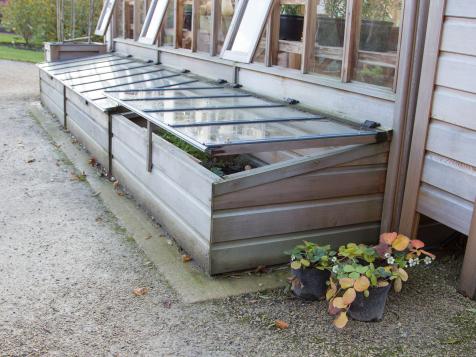
Cloches are an investment and should last for many years; choose from pricey decorative glass types (image 1) to cheaper plastic models.
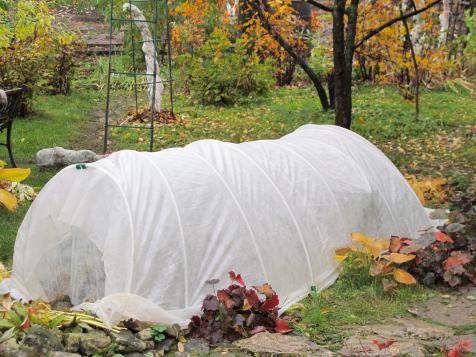
Cloches can be easy to make with two sheets of clear plastic pinned together with pegs (image 2).
Enlarge Photo+Shrink Photo-DK - How to Grow Practically Everything © 2010 Dorling Kindersley Limited
Wrap Up Your Pots
Container plants can suffer in winter on two fronts: roots are more vulnerable in pots because they afford less insulation than the soil in the ground, and the pots themselves may crack or break during icy periods.
Some containers are more vulnerable to frost damage than others. Stone, metal, and plastic pots will sail through winters unscathed, while terracotta often cracks in frosty conditions. Terracotta suffers because it is porous and when moisture from the soil and rain leaches into it and then expands as it turns to ice, the pot cracks. So, unless you pay a premium for containers that have been fired to high temperatures to reduce their porosity, you will need to take steps to make sure yours stay intact. Either remove plants and soil and store pots inside, or, if they are housing a prized plant, wrap them up with hessian or bubble wrap. Cover the soil, too, so that it does not become saturated. Another tip is to line the pot with bubble wrap before you plant it up, thereby forming a barrier between the soil and the terracotta.
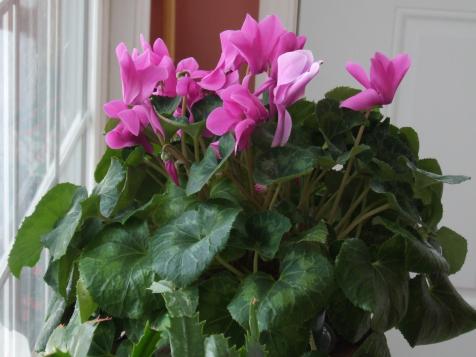
Slightly tender potted plants are best wrapped in horticultural fleece in the winter. Also tie together the leaves of strappy plants, such as cordylines, to protect their crowns from snow and ice.
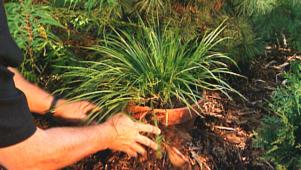
Line terracotta pots with bubble wrap (image 1) to keep them from absorbing moisture and cracking when the water turns to ice in cold weather.
Wrap tender plants and vulnerable pots with hessian or bubble wrap (image 2) to keep them warm.
Enlarge Photo+Shrink Photo-DK - How to Grow Practically Everything © 2010 Dorling Kindersley Limited
Excerpted from How to Grow Practically Everything
© 2010 Dorling Kindersley Limited
We Recommend...
Cool-Season Veggies
Which veggies can be planted in late winter for a spring harvest?
How and When to Prune Hollies
Hollies easily weather pruning but not necessarily in deep winter.
See Also:
- Winter Gardening Planner
- HGTV Dream Home Giveway 07- (video 06:58)
- Late Fall Garden (video 04:07)
From our Sister Sites:
- Queen's Spring Collection (from HGTVGardens)
- Nursery School: Winter Veggies Pack a Pretty Punch (from HGTVGardens)
- Dream Garden Ideas (from HGTVGardens)
Shop Outdoor Products
Shop outdoor products from fire pits to outdoor furniture, planters and more