

Frost Protection
- Excerpted from How to Grow Practically Everything
- A
- A
- A
E-mail This Page to Your Friends
xSuccess!
A link to %this page% was e-mailed
Enlarge Photo+Shrink Photo-DK - How to Grow Practically Everything © 2010 Dorling Kindersley Limited
Acer palmatum cultivars are hardy, so just enjoy the sparkle of their vibrant deciduous autumn leaves laced with frost.
Some plants and containers need a little help to get them through cold winters but they can be left outside if you provide some protection when temperatures dip below freezing. Tender plants must be brought inside in winter because they die when exposed to freezing temperatures, but those that can survive a few degrees of frost should survive outside in all but the coldest regions.
Plants to Protect
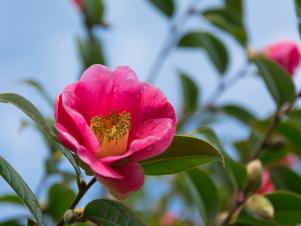
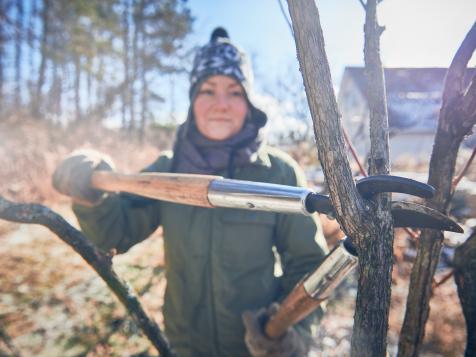
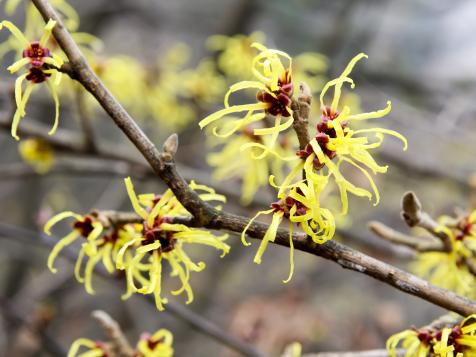
Many slightly tender plants survive low temperatures but not cold, wet soils, so ensure yours drains freely before planting. Other plants are not killed by frost, but their flowers may be damaged. Examples include peach trees, magnolias, and camellias, which suffer when frosted blooms thaw too quickly in warm morning sun. Young leaves and buds of hardy plants can also be sensitive to frost, so don’t feed in late summer because it promotes vulnerable new growth. Also, allow herbaceous plants to die down naturally so that the leaves fall over the plant, forming a protective blanket, and apply a thick mulch over those that may suffer in low temperatures, like Alstroemeria or diascias.
Use chicken wire to secure a straw blanket over frost-sensitive plants that prefer dry soil conditions (image 1).
The flowers of star magnolias are damaged by frost; protect them with garden fleece (image 2).
Enlarge Photo+Shrink Photo-DK - How to Grow Practically Everything © 2010 Dorling Kindersley Limited
Top Tip: Overwinter Bananas and Tree Ferns
Popular for tropical gardens, Musa basjoo is one of the hardiest bananas and tolerates winters outside if protected from cold, wet conditions. First, cut down the stems and remove the leaves. Attach chicken wire to bamboo canes set around the plant to form a cage, and pack it with straw. Treat tree ferns in the same way: make a cage around the plant, fold the fronds over the top of the stem, and pack straw around it. Both bananas and tree ferns suffer in wet winters, so top the wire cage with a waterproof covering, such as clear plastic sheeting. In very cold regions you can also add a fleece wrapper. Remove the protection in late spring or when you see new growth.
Enlarge Photo+Shrink Photo-DK - How to Grow Practically Everything © 2010 Dorling Kindersley Limited
Cloches for Crops
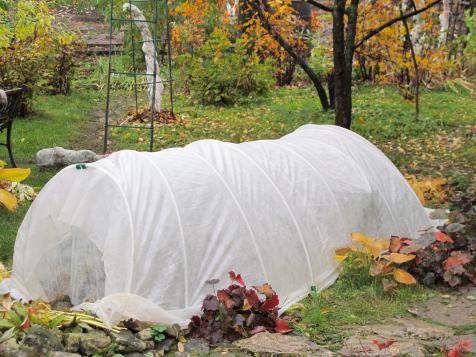
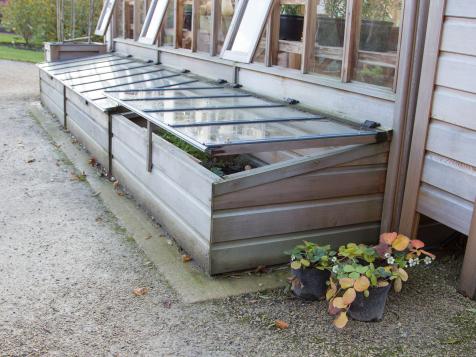
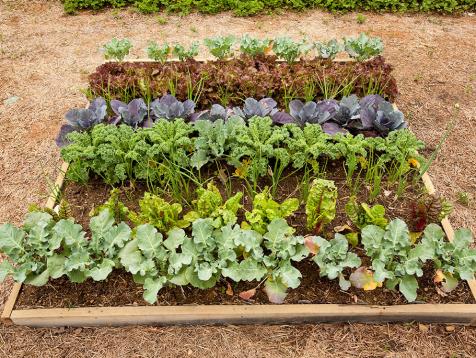
Some vegetables that overwinter in the soil benefit from a protective cloche or a layer of straw. Likewise, crops that are sown early in spring may grow more quickly if kept snug when frosts strike. A wide variety of cloches is available to buy, or make one yourself from recycled materials.
Excerpted from How to Grow Practically Everything
© 2010 Dorling Kindersley Limited
We Recommend...
How to Grow Parsnips
For the best winter parsnips, sow as soon as the soil has warmed up in spring. They will grow all summer, forming sweet and...
How to Grow Brussels Sprouts
Brussel sprouts are big plants that need lots of attention, but they will reward you with plenty of harvest.
See Also:
- Winter Park (video 03:17)
- HGTV Dream Home (video 07:19)
- HGTV Dream Home Giveway 07- (video 04:39)
From our Sister Sites:
- Our Townhouse Garden: Winter (from HGTVGardens)
- Shrubs for Winter Flowers (from HGTVGardens)
- Starting Seeds (from HGTVGardens)
Shop Outdoor Products
Shop outdoor products from fire pits to outdoor furniture, planters and more