




 You're subscribed!
How to Prune a Tree
Pruning trees doesn't have to be a daunting process. Learn how to safely, quickly and easily prune the trees in your yard.

Why is it important to prune landscape trees? That depends on who you ask and the tree in question. You may want to maintain clearance from utility lines and homes, raise the canopy for vehicles and lawnmowers, improve the view or even increase the amount of light through the canopy to the lawn below.
Shutterstock/Fotokostic
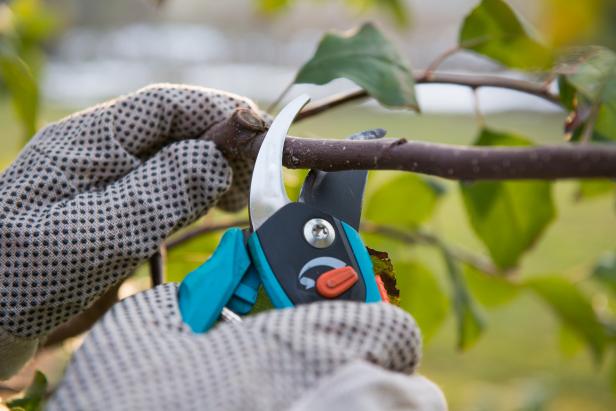
The most important reason to prune a tree is to develop and maintain a strong branching structure that will allow a tree to grow well into the future.
The most important reason to pull out the pruners is to develop and maintain a strong branching structure that will allow a tree to grow well into the future.
Pruning Trees: An Ongoing Chore that Begins at Planting
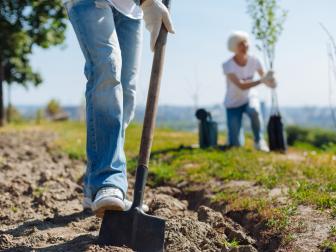
It's tempting to believe that small, newly planted trees don't need to be pruned. Nursery professionals have been caring for the tree, so we might assume pruning isn't necessary until the sapling is older. The truth is that it's important to prune a young tree right when it's planted and througout the decade that follows to improve the growing structure and the strength of the branches.
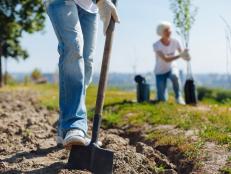
How to Plant a Tree
To give your new tree a good chance for success, follow these simple planting instructions.
"When you come home from the garden center and plant a tree, without a doubt, that's a great place to start," says Dr. Edward Gilman, a professor emeritus with the University of Florida's Institute of Food and Agricultural Sciences who researches what people can do to improve the health and longevity of trees in the landscape.
The seemingly small cuts we make on young trees are crucial for the long-term health of the plant. And tree pruning isn't a one-time task — it's an important part of tree maintenance from the time a young tree is planted and on into the future. Trimming trees that are taller than 12 feet or removing heavy limbs are jobs best left to professionals certified with the International Society of Arboriculture.
Suggested Tools for Pruning Trees
- hand pruners
- hand saw
- pole pruner
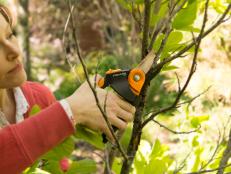
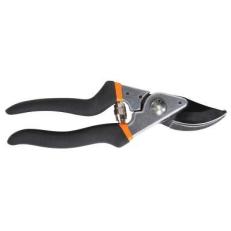
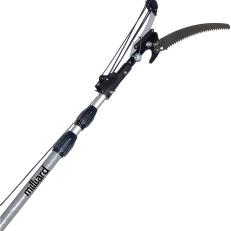
To maintain a healthy canopy on your young tree, you'll generally need only a clean and sharp pair of hand pruners for cutting branches that are smaller than 1/2 inch in diameter and a hand saw for larger cuts. For cuts that are just beyond reach, use an extension tool on a pole that includes a rope-operated pruner or a manual saw. For cuts that can't be reached with a pole saw or require a chainsaw, reach out to an ISA certified arborist for help.
Buy Tree Pruning Tools

How to Cut Branches
Reduce or Remove?
The two main cuts you'll be using are reduction cuts and removal cuts. To make a reduction cut, follow the branch you intend to cut down to a side-shoot. Make your cut just above the new branch. To make a removal cut, follow the branch all the way down to the trunk.
Cut Above the Collar
Before removing the limb, first you'll need to find the branch collar — a raised area at the base of the branch. Make the cut just beyond the raised collar. The callus tissue inside the collar will grow to eventually cover the wound, protecting the living tissue inside the tree from decay and pest damage. Cutting flush with the trunk damages that callus tissue and inhibits the tree's ability to heal.
Don't Leave Branch Stubs
Avoid making cuts that will leave a branch stub behind. Stubs are unattractive and they can detract from the health of the tree, either by initiating a profusion of weak new shoots below the cut or by introducing decay into the living tissue as the stub rots.
Use a Three-Cut Method
If you are making a larger cut with a hand saw, you should use a three-cut method to limit the chances of a heavy branch ripping bark away from the tree. Here's how to do that:
- Begin by making an undercut between 3 and 12 inches down the branch (depending on the size of the limb; heavier limbs require an undercut that is farther away).
- Next, remove the branch by making an overcut just beyond the first cut.
- Last, remove the stub by sawing just beyond the branch collar.
Don't Delay
It's easier to prune a small branch than a large one — that's true for both homeowners and tree care professionals. The weight of large branches could cause the bark of the tree to rip during pruning. Even if the bark doesn't tear, bigger branches leave larger wounds that take more time for the tree to callous over.
If you regularly prune your young tree with a sharp pair of hand pruners, that can limit the number of large branches that will need to be trimmed in the future. According to Dr. Gilman, waiting too long before pruning is one of the most common mistakes.
Ask for Help
With the help of reach-extending pole pruners, most homeowners can safely trim small trees that are less than 12 feet tall. If you find that you need a ladder or chainsaw to finish the job, reach out to a qualified tree-care professional for help.
Most states don't require tree care companies to complete a licensing or certification program, but a quick web search of "tree work goes wrong" will result in countless examples of why it's important to go with a trained, competent professional. Big jobs require an ISA certified arborist.
Which Branches to Cut?
Cut Branches that are Dead, Diseased and Damaged
Dead, diseased and damaged branches should be removed before doing any structural pruning. Step back and identify which branches meet the criteria for the "Three D's." It may help to tie flagging tape on these branches to make sure you cut the correct limbs once you're inside the tree canopy. When removing diseased branches, remember to clean your pruners between cuts to prevent spreading any illness to new branches or other plants. Wipe the blade with a solution of 70% isopropyl alcohol to disinfect pruners between cuts.
Reduce or Remove Competing Leaders
Picture a tree growing tall and proud in its native forest environment. One central trunk reaches up toward the sun, with strong horizontal branches jutting out from the main stem. Research from Dr. Gilman and his colleagues shows that giving your trees a helping hand to replicate this natural form in the cultivated landscape leads to better tree health.
Remove or reduce the length of "competing leaders" to support a strong "central leader" that will support future branches. Although this step will probably need to be repeated several times throughout the life of your tree, it is much more manageable for homeowners to handle on their own while a tree is young. In fact, it's a great idea to go ahead and prune competing leaders when planting a new tree.
How do you know which branches will grow into competing leaders? Upright branches that are greater than 1/2 the diameter of your young tree's trunk may be contenders. Limit their growth by removing the tip of the shoot, cutting just above a secondary branch or by completely removing the entire limb, cutting back to the trunk.
Don't be alarmed if it is unclear which leader is the central leader — your new tree may have more than one. Before making any cuts, stand back and identify which stem you think would make the best leader. A vigorous, unbroken, upright stem in the center of the tree that has new growth at the tip will work fine. Once the other leaders are trimmed back or removed, this stem will take the lead as the tree's new central leader.
Manage Included Bark
Branches that are joined in a close "V" shape usually grow bark that turns into itself within that tight union (also called "included bark"), resulting in a weak connection to the tree. As those branches grow and become heavier, the weight increases the risk of the tree splitting. Although some species — like Bradford pear — are more likely to grow included bark, it can develop on less susceptible species if they aren't pruned correctly. Remove branches with included bark (remember to cut beyond the branch collar) or use a reducing cut to curb growth until you're ready to remove the branch.
Shaping a Tree: Balance an Uneven Canopy
Stand back and look at your tree. Does the remaining growth seem to be clustered in one area? Try to balance the canopy to promote a better shape and stronger tree. While you're balancing the canopy, don't "clean up" interior growth on the tree. This practice (called "lion's tailing") shifts more weight toward the ends of branches, which weakens the tree.
What Time of Year is Best for Tree Pruning?
Winter is a great time of year to prune many deciduous species of trees because the lack of leaves allows us to get a clear view of the branch structure. Plus, there aren't many other chores to work on in the garden at that time of year. However, if you notice a problem to correct or just feel like pruning outside of winter, you don't need to wait until later in the year to get started.
"Depending on where you live, there may be certain times of year when you should avoid pruning, because insects can feed on recent wounds or pruning cuts and spread disease," Dr. Gilman cautions. For example, oaks shouldn't be pruned during the growing season in regions where oak wilt is a problem, as this can increase the likelihood of introducing the fungus responsible for oak wilt disease through a fresh pruning wound. Check with your state extension service for guidance on any local disease or insect issues that you should consider before trimming your trees.