



Maintenance Made Easy

You've done the creative work - the dreaming, the planning and the shopping - and the hard work - the digging, the planting and the building. Now what? Don't roll your sleeves down yet. There's maintenance to be done.

Font
  • A
  • A
  • A

E-mail This Page to Your Friends

x

All fields are required.

Separate multiple e-mail addresses with a comma; Maximum 20 email addresses.

Refresh

Sending E-mail

Sending E-mail

Or Do Not E-mail

Success!

A link to %this page% was e-mailed

The Benefits of Pruning

Pruning is not really necessary, but thinning and cutting or selectively removing branches can produce many useful effects. It can rejuvenate an old, congested specimen, giving it a new lease on life; help short-lived shrubs live longer; increase flowering or fruiting; improve the shape and appearance of a plant; and reduce the incidence of disease.

Removing Branches

As a tree matures, it may become too large for its site, or send out branches in inconvenient directions; such trees require pruning. Damaged or diseased branches and crossing limbs also need to be taken out to maintain the health of the tree. Hire a qualified tree surgeon to tackle very large branches, or those higher than head height. When pruning, take off a branch in sections — if you remove it with one cut close to the trunk, it will be pulled down by its own weight and may tear the bark on the trunk, leaving the tree vulnerable to infection.

To cut back branches, make two incisions: one, half way through, from beneath the branch; the second from the top to meet the undercut.

Then, remove the remaining branch stub, starting from the upper surface of the branch, just beyond the crease in the bark where the branch meets the trunk. Angle the cut away from the trunk. This pruning method produces a clean cut, leaving the plant's healing tissue intact. The tree will soon produce bark to cover the exposed area.

Branch RemovalEnlarge Photo+Shrink Photo-DK - Garden Design © 2009 Dorling Kindersley Limited

Feeding and Weeding

Many types of soil tend to be nutrient poor. Adding bulky organic matter, such as well-decomposed manure, improves the quality and structure of most types of soil as well as providing nutrients. During growing season you’ll need to add extra fertilizer, especially to the areas of your garden that see a lot of action. Control weeds by digging them out or hoeing, or with a weedkiller appropriate for the terrain.

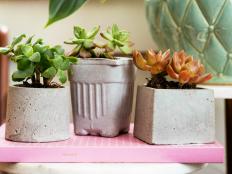
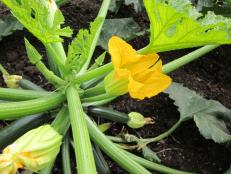
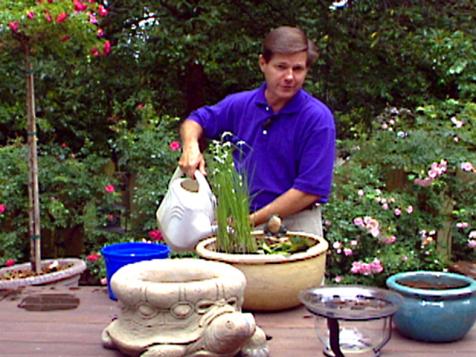
Liquid feeds are fast acting and ideal for bedding and patio plants in containers (image 1), as well as greenhouse crops such as tomatoes.

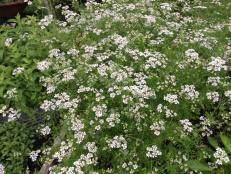
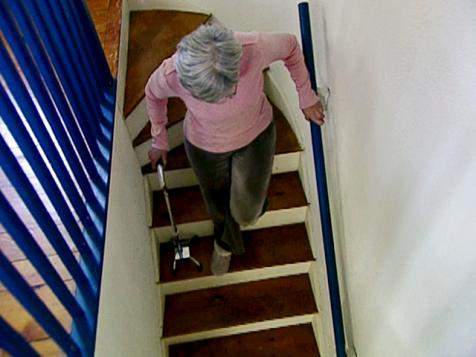
For convenience and for treating pernicious weeds, use a glyphosate-based weedkiller, which is absorbed through the leaves to kill the roots (image 2).

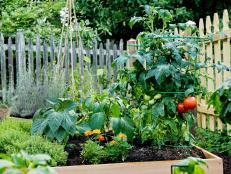
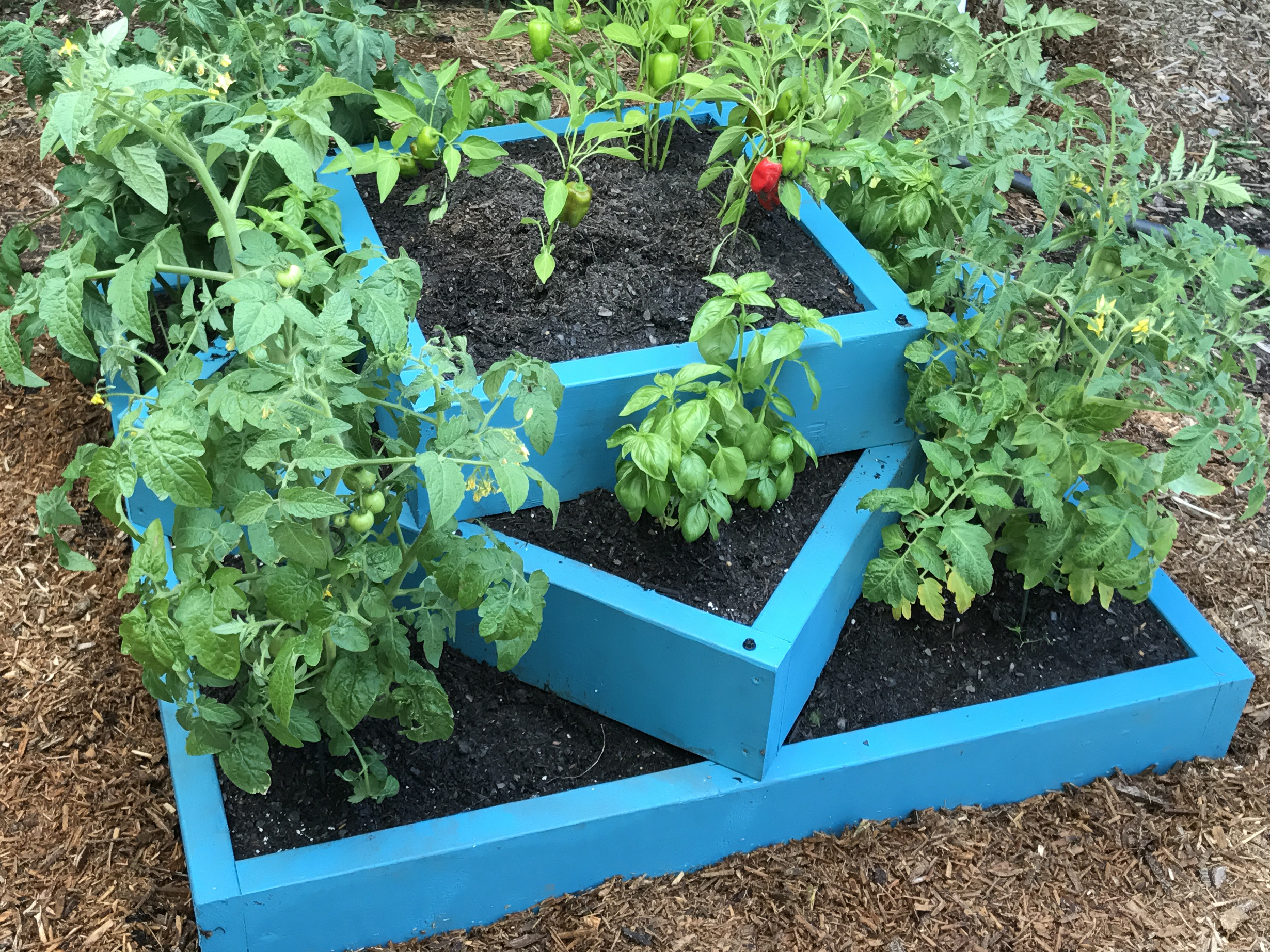
Among existing plants, remove weed seedlings by hand (image 3). Use a hoe on dry days, severing the stems where they meet the roots just beneath the soil, or dig them out with a fork.

12Next »

Excerpted from Garden Design

©Dorling Kindersley Limited 2009

We Recommend...

Coral Bells, Alumroot

Coral Bells, Alumroot

Coral bells is a low-maintenance plant that blooms from spring to summer.
How to Hide and Store Gardening Equipment

How to Hide and Store Gardening Equipment

Learn clever ways to store and hide your gardening tools — without cluttering up your garage.

Bugleweed, Ajuga

Bugleweed, Ajuga

The bugleweed has colorful leaves and can be used as an alternative groundcover for a lawn in shady areas.

Advertisement

HGTV Outdoors Newsletter

Find out how to make the most of patios, decks and all your outdoor areas, plus tips from master gardeners for beautiful flower beds and bountiful vegetable gardens.

    Shop Outdoor Products

    Shop outdoor products from fire pits to outdoor furniture, planters and more

    Shop Outdoor Products