









Signs of Heat Stroke
Pets can be vulnerable on extremely hot days. Here are some tips to keep them cool.


- A
- A
- A
Print Options
CloseE-mail This Page to Your Friends
xSuccess!
A link to %this page% was e-mailed
All About
Water and adequate shelter are absolutely essential for pets during the summer months. Just because they can't complain about their situation doesn't mean they're comfortable.
Although it's difficult to comprehend such cruel stupidity, some pet owners don't give a second thought to running into a shop for "just a second" while leaving a puppy to bake in the front seat of the car.
Leaving animals unattended in vehicles on hot days can precipitate a problem very quickly, said Dr. Robert Tope, a veterinarian at Electric City Animal Clinic in Anderson, S.C.
"Temperatures in a vehicle with no air-conditioning in the direct sun can rise well above 120 to 140 degrees very quickly," Tope said. "As you would expect, this can cause a multitude of problems for your pet. Summer temperatures can be very hot for humans but for animals, the problems can be compounded by little to no shade, inaccessible water sources, and anatomical variables that can make heat exhaustion occur quickly."
Normal body temperature for a dog or cat is 101.5 to 102.5 degrees. Heatstroke occurs when the core body temperature goes above 106-109 degrees and the body's means of heat dissipation are exceeded.
Signs of heat stroke:
- Panting
- Staring
- Anxious expression
- Refusal to obey commands
- Warm, dry skin
- High fever
- Rapid heartbeat
- Vomiting
- Collapse
"If a dog or cat is suspected of suffering heat exhaustion or heat stroke, please call your veterinarian as soon as possible. Start trying to cool your pet down by bringing him or her into the house and running cool water over them," Tope said. "Cold water, ice, or ice water is not a good idea, as cooling them down too quickly is dangerous. Your veterinarian will immediately assess the patient and determine the appropriate therapy."
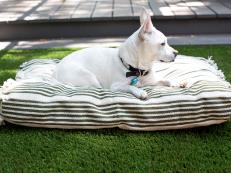
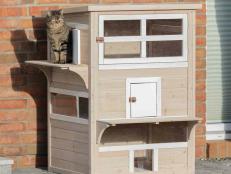
If pet owners must keep their animal outside, Stephanie Garrett, secretary of the Anderson Humane Society, said they should make sure to provide plenty of cool water and make doghouses, tarps and shade trees easily accessible.
"Plastic swimming pools also work well to keep dogs cool from this ... heat," she said.
Look for signs of dehydration including sunken eyes, exhaustion, appetite loss, depression and a dry mouth, said Ann Noder, director of public relations for Orca Communications Unlimited, a company that features pet products.
"Even pets can get sunburned so provide plenty of shady areas," Noder said.
Although grooming might not seem like an important issue to keep in mind during the hot summer months, removing loose hairs and keeping a pet's coat free of tangles will help it feel more comfortable when the weather gets hot.
There are various products on the market these days for keeping pets cool, Noder said. For example, the PetBrella by the Molor Products Co. is a tie-out stake providing a 6-foot diameter area of shade for your animal. The Drinkwell Pet Fountain by Veterinary Ventures is the only veterinarian-developed fountain with a patented free-falling stream of water. The optional additional capacity reservoir more than doubles fountain capacity, and is popular with multiple cats and small to medium dog households.
Garrett urged people to please report any animal without proper shade and water to the authorities.
"It is our duty to help report others' bad actions when we can in order to help prevent this animal cruelty," she said.
Jennifer Jones writes for the Anderson Independent-Mail in Anderson, S.C.